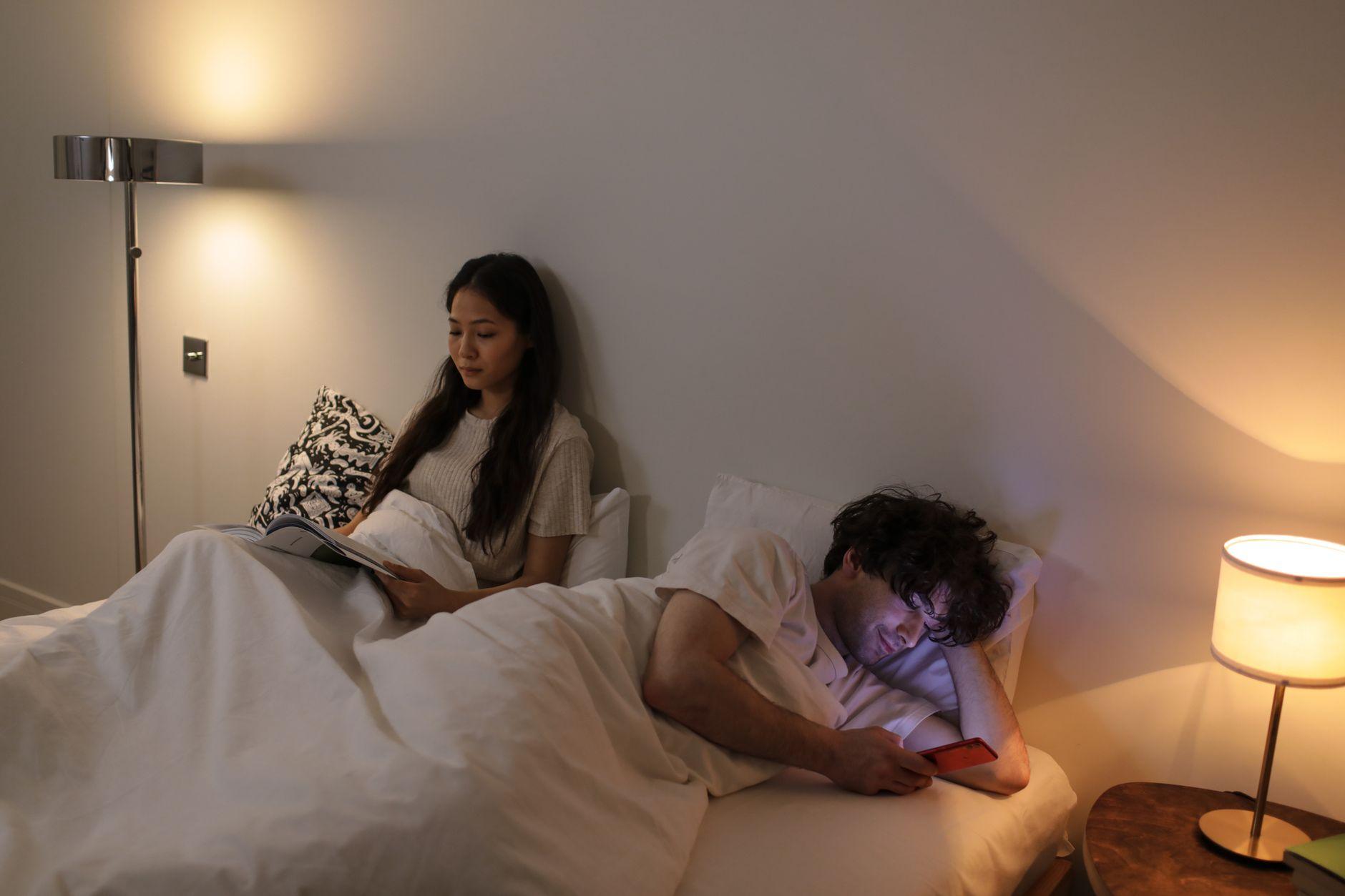
There’s a particular kind of tired that sleep alone doesn’t fix. You climb into bed, pull up the covers, and the room still feels like a to-do list — the laundry chair, the glare of an overhead bulb, the phone glowing on the nightstand. A wave of recent design coverage has been circling the same gentle idea: the bedroom you actually rest in is less about what you buy and more about what you change.
The first thing to fix is the light
If you only adjust one thing, make it the lighting. According to Better Homes & Gardens, experts point to lighting as the first thing to rethink when a room refuses to feel restful. The usual culprit is a single harsh ceiling fixture that floods the space with one flat, bright wash — the opposite of the soft, settling glow our bodies read as “wind down.”
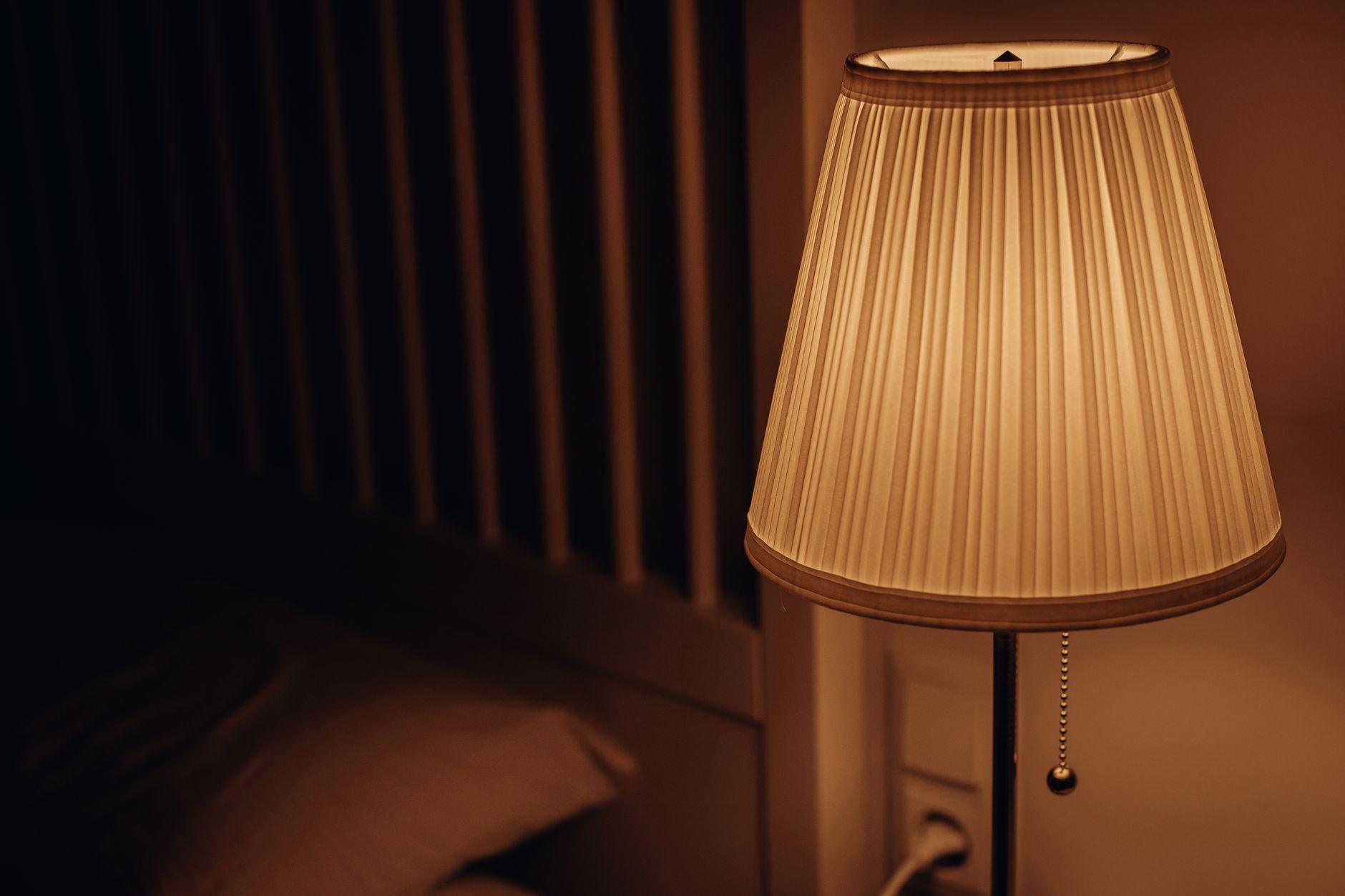
The fix is layers. Swap or supplement that overhead with a couple of lower, warmer sources — a bedside lamp, a dimmer, a low-wattage bulb with a warm tone. Light that pools gently rather than blazing from above tells your nervous system the day is closing. It’s a small, cheap change with an outsized return.
Clear the clutter your eyes keep snagging on
The second theme running through the coverage is calm through subtraction. As Real Simple lays out in its golden rules for a cozy bedroom, a restful room leans on restraint — edited surfaces, breathing room, and a sense that everything has a place. You don’t need a minimalist showroom. You need fewer things fighting for your attention in the last waking minutes of the day.
That instinct extends to the “upgrades” that quietly work against you. The Spruce notes that certain additions designers consider missteps can actually make a space feel less relaxing — a reminder that more decor isn’t the same as more comfort. If something is louder than it is useful, the room usually feels calmer without it.
Small, cheap, and surprisingly effective
None of this requires a renovation. Reports on affordable finds — including a Southern Living roundup of budget bedroom buys under $35 — show how much shifts with soft textures, better storage, and a tidier nightstand. A few practical moves worth trying:
- Trade the overhead glare for a warm bedside lamp you can dim.
- Clear the nightstand down to what you genuinely use at night.
- Give wandering items — chargers, books, clothes — an actual home.
- Choose soft, quiet colors over busy patterns on the things you see last.
Color does carry weight here. Much of the current advice favors muted, low-key tones for the walls and bedding you wake and drift off to — the kind of palette that recedes rather than demands. And several outlets have floated the quiet goal of a room that nudges you to put the phone down almost without deciding to.
Build the habit, not just the room
Here in Charlotte, where the evenings can stay warm and the street noise lingers, the bedroom often has to do extra work to feel like a genuine off-switch. The good news is that rest is built in layers, too. We’ve written before about how to make your bedroom feel like a place to rest, and about making a whole home feel calmer one small shift at a time.
Start with the light tonight. Clear one surface tomorrow. The room doesn’t have to be finished to start feeling better — it just has to be a little quieter than it was. None of this is a cure for sleep trouble, and persistent problems are worth raising with a professional. But as an everyday ritual, a softer, simpler room is a kindness you can give yourself before your head even hits the pillow.
Photo by Juan Pablo Serrano on Pexels