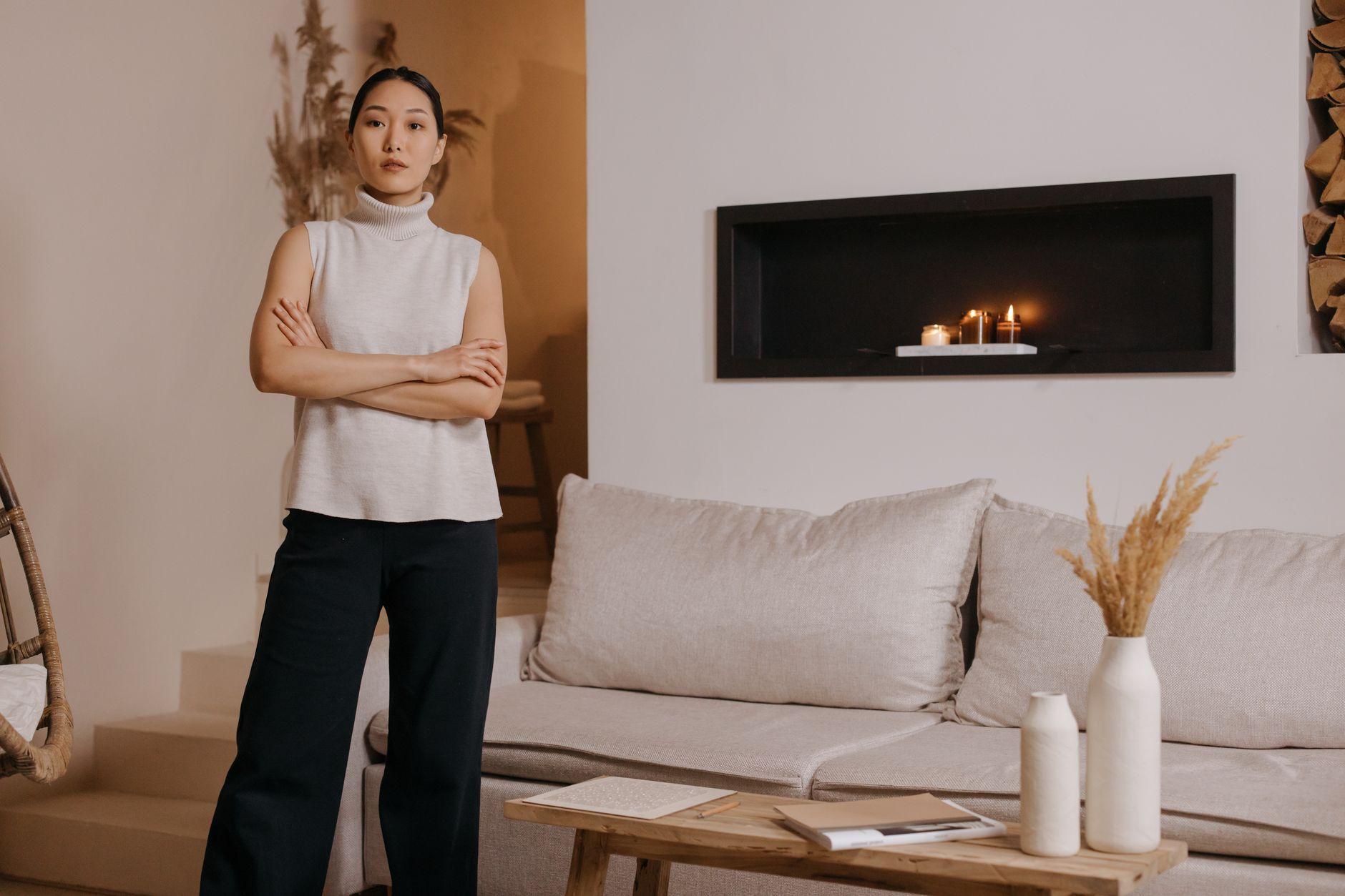
There’s a particular kind of tiredness that has nothing to do with sleep. You walk in the door, drop your bag, and the room seems to sigh at you — a pile of post here, a tangle of cables there, a lamp that’s just a little too bright. The good news, echoed across a flurry of recent design and well-being coverage, is that a calmer home rarely requires a renovation or a shopping spree. It’s built from small, repeatable choices.
Start with what’s already underfoot
Before you buy a single candle or cushion, it’s worth clearing the decks. Real Simple rounded up therapist-approved ways to make a home feel calmer without spending a dime, which is a reassuring place to begin. The point isn’t perfection — it’s noticing the few spots that quietly drain you.
Clutter tends to gather in predictable places: the kitchen counter, the back of a chair, the hallway table that becomes a landing strip for everything. Country Living has written about the everyday clutter zones that can leave a space feeling less restful, and most of us could name ours without looking. One gentle prompt doing the rounds, also from Real Simple, is to ask of each object: does this actually earn its place here? It’s a kinder question than “throw it out,” and it tends to get you further.
Soften the edges, don’t shrink the room
Calm is as much about how a space feels as how tidy it is. Designers speaking to The Spruce pointed out that certain decorating habits can make a room feel more cramped than it needs to be — pushing all the furniture against the walls, over-filling shelves, or choosing pieces that fight for attention. Letting a room breathe often does more than adding to it.
Colour plays its part too. House Beautiful highlighted the “sugar drenching” trend — wrapping a room in soft, sweet, tonal shades so walls, trim and ceiling melt together into one soothing envelope. Southern Living and Livingetc have each made the case that a few deliberate design choices can dial down the chaos without stripping a home of personality.
The small, undramatic habits
Some of the most durable advice is also the least flashy. Coverage of Japanese household routines framed the appeal perfectly: the habits are “undramatic,” woven into daily life rather than reserved for a big weekend reset. A few worth borrowing:
- Reset one surface a day. Not the whole house — just the kitchen counter, or the entryway table.
- Mind the light. Swapping a harsh overhead bulb for a lamp in the evening changes the whole mood of a room.
- Let scent do quiet work. Hindustan Times suggested simple fragrance tips to make rooms feel calming — a reminder that calm reaches us through the nose as well as the eyes.
- Give high-traffic things a home. Keys, chargers, remotes. When everything has a place, nothing has to pile up.
Where to begin tonight
If it all feels like a lot, pick the room you resent most when you walk in — often the bedroom, which is meant to be a refuge and so often becomes a dumping ground. We’ve written before about how to make your bedroom feel like a place to rest, and about making your home feel calmer, starting today. Both lean on the same idea threaded through all this recent coverage: you don’t have to overhaul anything. You just have to begin, gently, with one surface and one evening.
A calm home isn’t a finished project. It’s a series of small kindnesses you keep doing for the person who has to live there — which is you.
Photo by cottonbro studio on Pexels