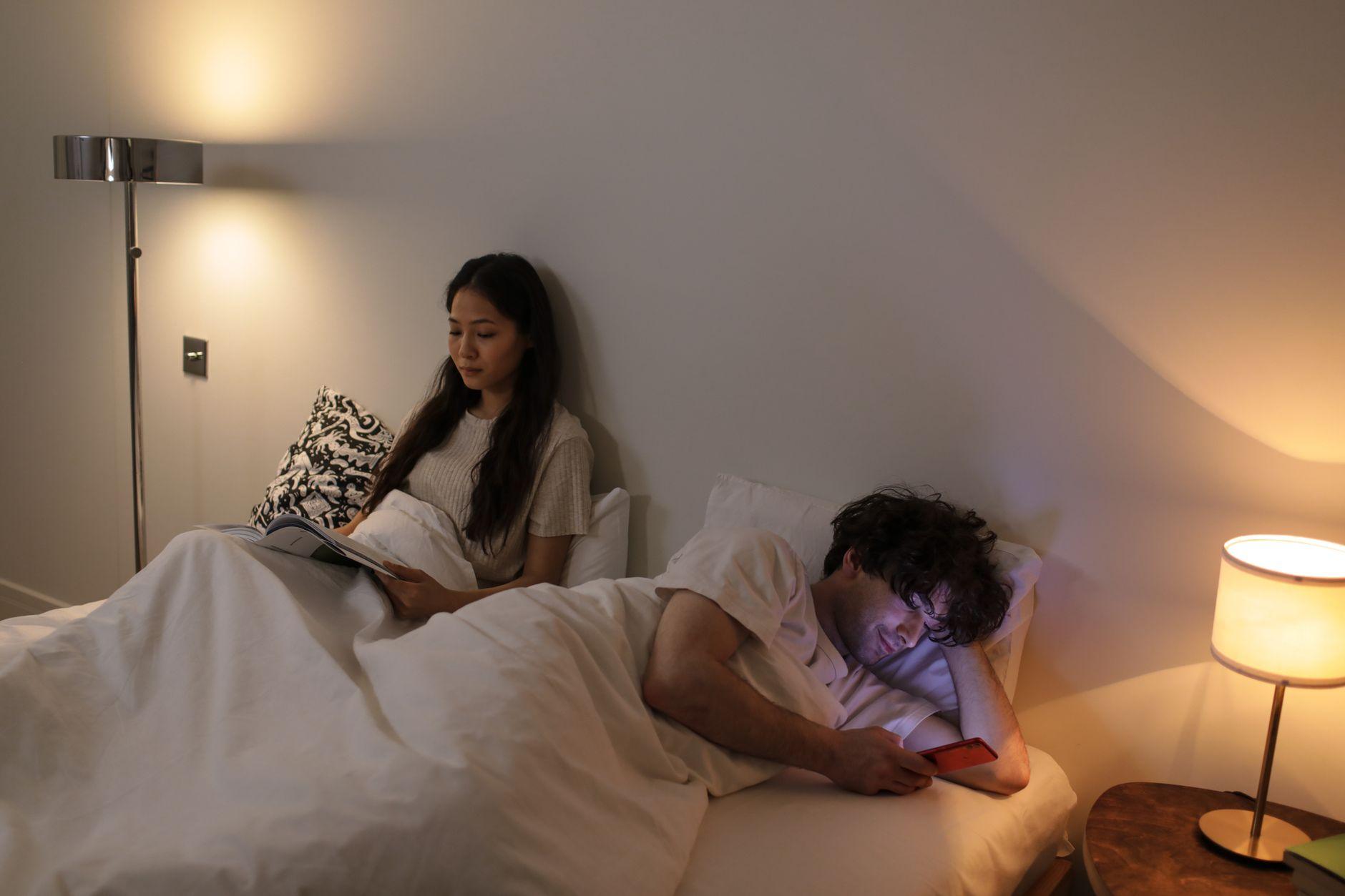
There’s a particular kind of evening we all know by now. You sit down to rest, pick up your phone for “just a minute,” and surface forty-five minutes later with a vague ache behind your eyes and no memory of what you actually read. If that feels familiar, you’re in good company — and the fix isn’t willpower.
The conversation about screen time has gotten loud lately, much of it centered on children and classrooms. Parents and educators in Austin recently submitted a petition asking for less classroom screen time, and residents near Round Rock have made similar requests of their district. But the same quiet discomfort applies to grown-ups too. Here’s the warmer, less clinical news: you can shift your relationship with your screen using habits and environment, not guilt.
It’s not you — it’s the design
The first thing worth saying out loud is that phones are built to hold your attention. The endless feed, the little red badges, the pull-to-refresh — none of that is an accident, and none of it is a sign that you lack discipline. Once you stop treating screen time as a moral failing and start treating it as a design problem, the whole thing gets easier to solve. You’re not fixing yourself. You’re rearranging a few things.
That reframe matters because battling your own willpower every evening is exhausting and rarely works. Movements like Colorado’s Roaring Fork Digital Wellness Coalition have taken a community-and-environment approach for young people rather than a purely restrictive one — and the same logic scales down to one person on a sofa.
Small settings, big difference
Some of the most effective changes take under a minute and ask nothing of you afterward. The idea is to add a little friction between you and the feed, so the choice to scroll becomes a choice rather than a reflex.
- Tidy the home screen. Move the apps that eat your time off the first page and into a folder. Out of sight genuinely helps.
- Mute the badges. Turning off notification dots and banners removes dozens of tiny invitations to pick the phone up.
- Dim the color. A grayscale screen makes everything less rewarding to look at — we unpack the grayscale trick and other gentle tweaks if you want to try it.
- Set a bedtime for the device. One scheduled wind-down does more than a dozen good intentions.
One small adjustment often gets overlooked, and it’s worth its own mention — there’s a single phone setting that quietly shrinks screen time without you having to think about it again.
Give your hands something analog
Much of our scrolling is simply what our hands do when they’re bored or unoccupied. The remedy isn’t to white-knuckle through the boredom — it’s to offer a replacement. A paper notebook by the kettle. A book on the nightstand where the phone used to live. A real alarm clock so the phone can charge in another room overnight. As several outlets have reported, people trying to loosen their devices’ grip often lean on these humble analog tools precisely because they break the automatic reach-for-the-phone loop.
Let your rooms do some of the work
Where you keep your phone shapes how much you use it. A charging spot in the hallway rather than the bedroom. A basket by the door for dinner. A no-phones corner of the kitchen table. None of this requires discipline in the moment, because the environment makes the easier choice the better one.
If the thought of any of this feels like a fight you’ll lose, start smaller than you think you should. We’ve written before about reducing screen time without making it a battle, and the throughline is always the same: gentleness beats force. Pick one change this week. Notice how the evening feels. That quiet, unhurried hour you get back is the whole point.