There’s a particular kind of tired that doesn’t lead to sleep. You’re wrung out, phone still glowing, mind sprinting through tomorrow’s to-do list while your body lies there waiting for permission to switch off. If that sounds familiar, you’re in good company — a wave of recent coverage has landed on the same quiet conclusion: the way you spend the last hour of your day matters more than almost anything else you do for your sleep.
Why the wind-down beats willpower
You can’t force sleep. Push too hard and it slips further away. What you can do is build a runway — a sequence of gentle cues that nudge your nervous system from “on” to “off.” As NPR has reported, rituals that calm the body and mind before bed can make a real difference when you’re too wired to drift off. The idea isn’t new, but it’s worth repeating: consistency and calm do more heavy lifting than any single trick.
That consistency is the thread running through the advice. Experts quoted across recent features point to the same handful of habits — a predictable bedtime, dimmer light, and a buffer between screens and sleep — as the foundation most people are missing. The trouble is rarely knowing what to do. It’s making it stick.
Small signals that add up
A workable routine isn’t a rigid checklist. It’s a short string of signals, done in roughly the same order, often enough that your body learns to read them. A few that come up again and again:
- A consistent sleep window. Going to bed and waking at similar times — even on weekends — steadies your internal clock more than any supplement.
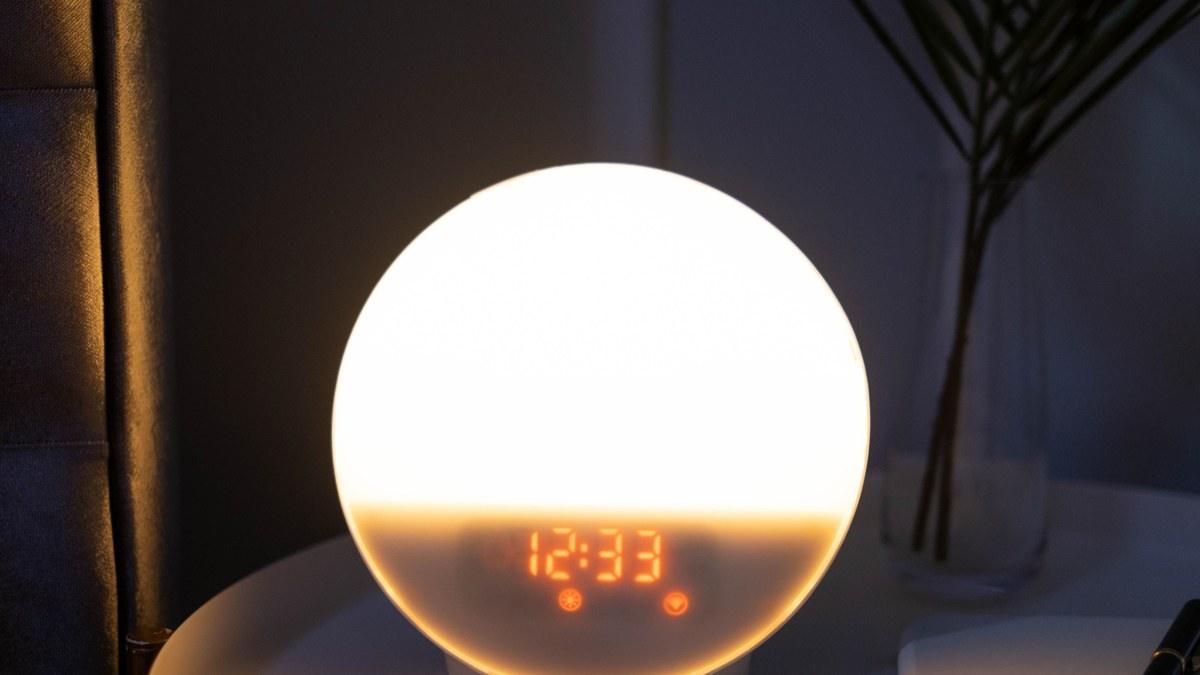
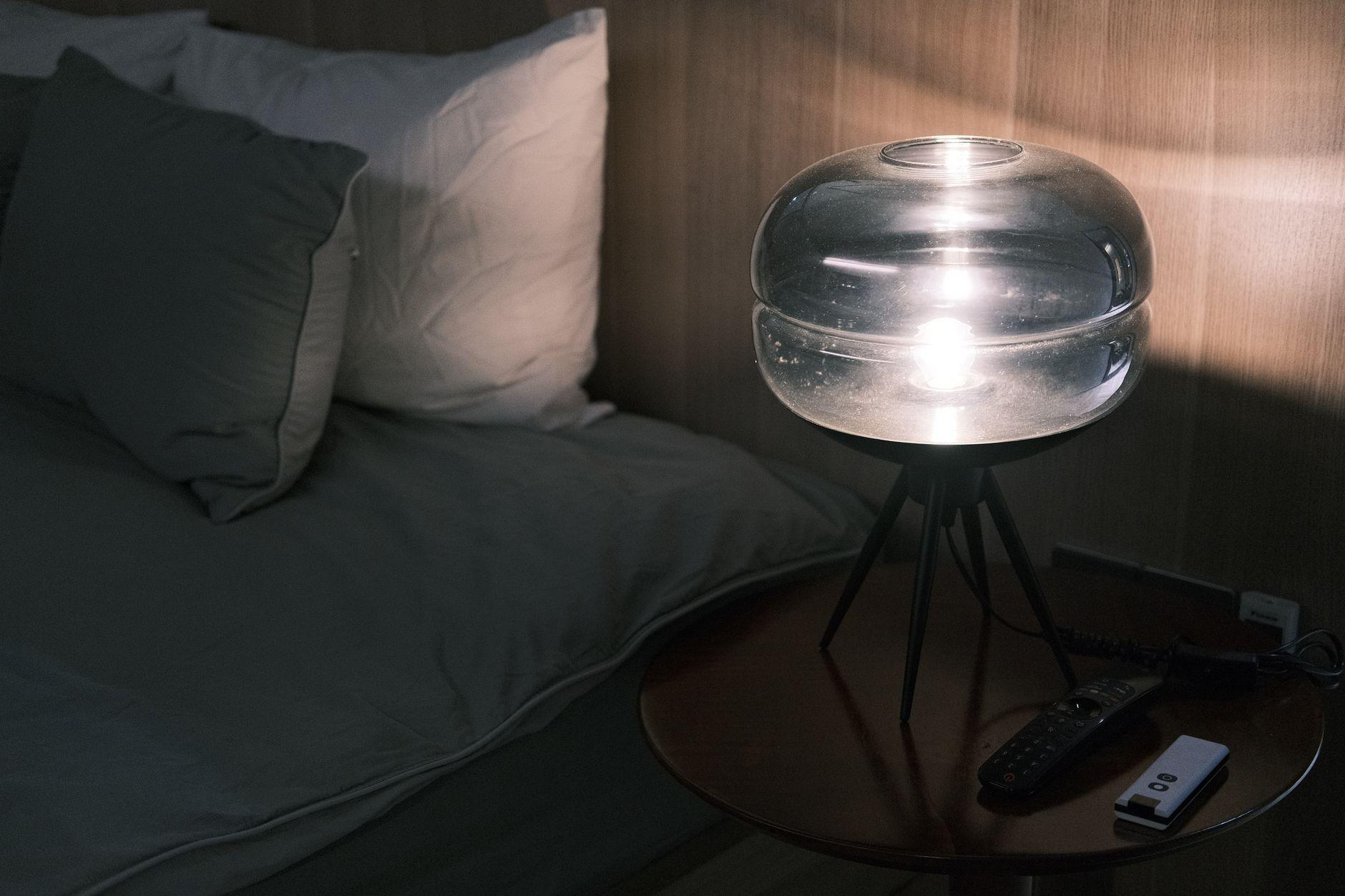
- Lower the lights early. Bright overhead light late in the evening tells your brain it’s still daytime. Lamps and softer glow do the opposite.
- A warm shower, then cool down. The gentle drop in body temperature afterward can help you feel drowsy. Some are even trying “dark showering” — showering with the lights off — though as Healthline notes, experts are cautious about the bigger claims attached to the trend.
- Morning habits that help the morning after. According to Verywell Mind, several bedtime habits are tied not just to falling asleep but to waking in a better mood.
Give it time to take hold
Here’s the part most of us skip: a new routine feels awkward before it feels good. One writer who tried a doctor-recommended routine for two weeks, covered by EatingWell, found the real payoff came from sticking with it rather than any single step. Habits need repetition to settle in, which is exactly why the first week can feel like a slog and the third starts to feel natural.
If you’ve tried before and watched the routine quietly collapse by Wednesday, you’re not alone — and it’s not a character flaw. We’ve written about how to build a bedtime routine that actually sticks, and the short version is: start absurdly small. One cue, not ten.
Your room is part of the routine
A wind-down happens somewhere, and the somewhere counts. A space that’s cool, dim and uncluttered does half the work for you, which is why it’s worth thinking about how to make your bedroom feel like a real place to rest rather than an overflow office. Clear the laptop off the duvet. Keep the charger across the room. Let the bed mean one thing.
None of this is a cure, and none of it is medical advice — if sleep trouble is persistent, that’s a conversation for a professional. But for the ordinary, garden-variety “too hyped up to sleep” that so many of us know well, the fix tends to be gentler than we expect. Not more effort. Just a softer landing, repeated until your body believes you.