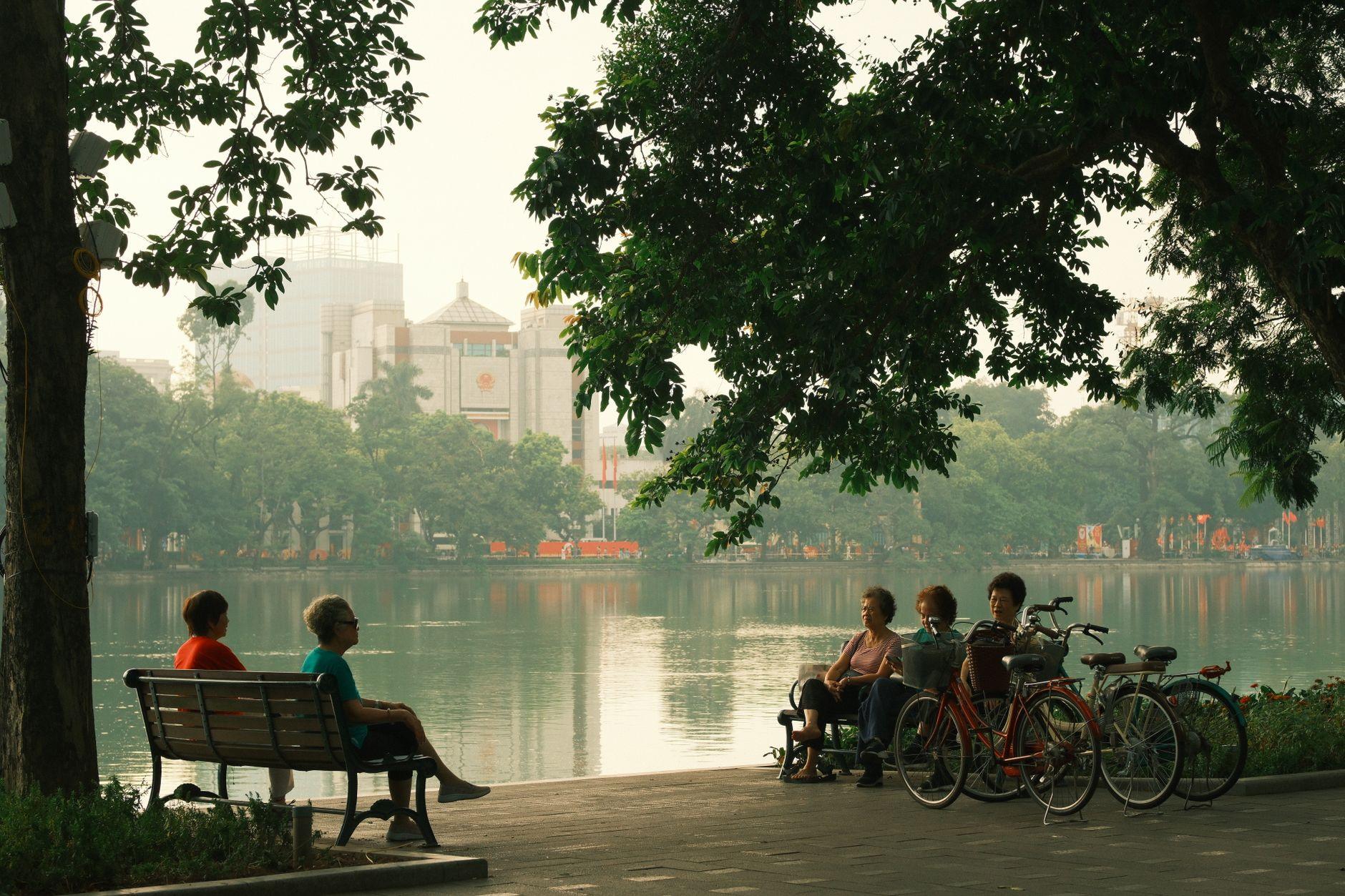
There’s a quiet rebellion happening in a lot of overstretched lives right now, and it doesn’t involve quitting your job or moving to a farm. It’s called slow living, and according to a wave of recent coverage, more people are reaching for it not as a grand lifestyle overhaul but as a handful of small, deliberate choices tucked into busy days.
The appeal is easy to understand. Weeks blur together. Evenings vanish. And somewhere in the scroll and the rush, the ordinary pleasures of a meal, a walk, or a slow Sunday morning get squeezed out. The good news is that slowing down, as reported across outlets this season, is less about having more time and more about paying closer attention to the time you already have.
Why everything feels like it’s speeding up
If you’ve noticed the years picking up pace, you’re not imagining it. As Upworthy reports, our sense of time tends to accelerate as we age — partly because fewer experiences feel genuinely new. The suggested antidote is refreshingly low-effort: brief, intentional moments of novelty and full attention that stretch time back out again. A minute of really noticing something can do more than an hour of autopilot.
That idea sits at the heart of the broader movement. The BBC has described the practice of “doing nothing, intentionally” as genuinely good for us — a counterweight to the pressure to optimise every spare second.
Slow living isn’t a destination
Much of the recent reporting frames slow living through big relocations — a move to the prairies after city life wore someone down, or a rising appetite for slower rhythms in Cyprus. Those stories are lovely, but most of us aren’t packing boxes. The useful takeaway is the principle underneath: protecting pockets of quiet, wherever you happen to live.
You can borrow that spirit without a passport. The art of a slow weekend, as one outlet put it, is mostly about leaving a little room unplanned — resisting the urge to cram every hour and letting a morning unfold at its own pace.
Small anchors for a fast week
Here are gentle, low-fuss ways to fold a slower tempo into a packed schedule:
- Take the 60-second pause. Once a day, stop and give one ordinary thing your full attention — your coffee, the sky, a song all the way through.
- Let dinner cook itself. A low-effort meal buys back your evening. Reviewers at Southern Living tested dozens of slow cookers precisely for this kind of hands-off cooking.
- Guard one slow morning a week. No alarm, no agenda — just the first hour moving at your speed.
- Step outside, briefly. You don’t need a grand expedition. Even a short spell in fresh air resets the pace — our piece on 15 minutes outside makes the case.
The evenings matter too
Slowing down works best when it bookends the day. A calmer wind-down signals to a busy brain that the rush is over, which is why a steady evening ritual pairs so naturally with this whole approach. If your nights feel as frantic as your days, our guides on building a sleep routine that sticks and shaping a bedtime routine that actually holds are practical places to begin.
None of this requires a reinvented life. The reporting is consistent on one point: slow living isn’t about doing less for its own sake, but about being more present in the moments you’d otherwise rush past. Start with sixty seconds. The rest tends to follow.
Photo by Los Muertos Crew on Pexels