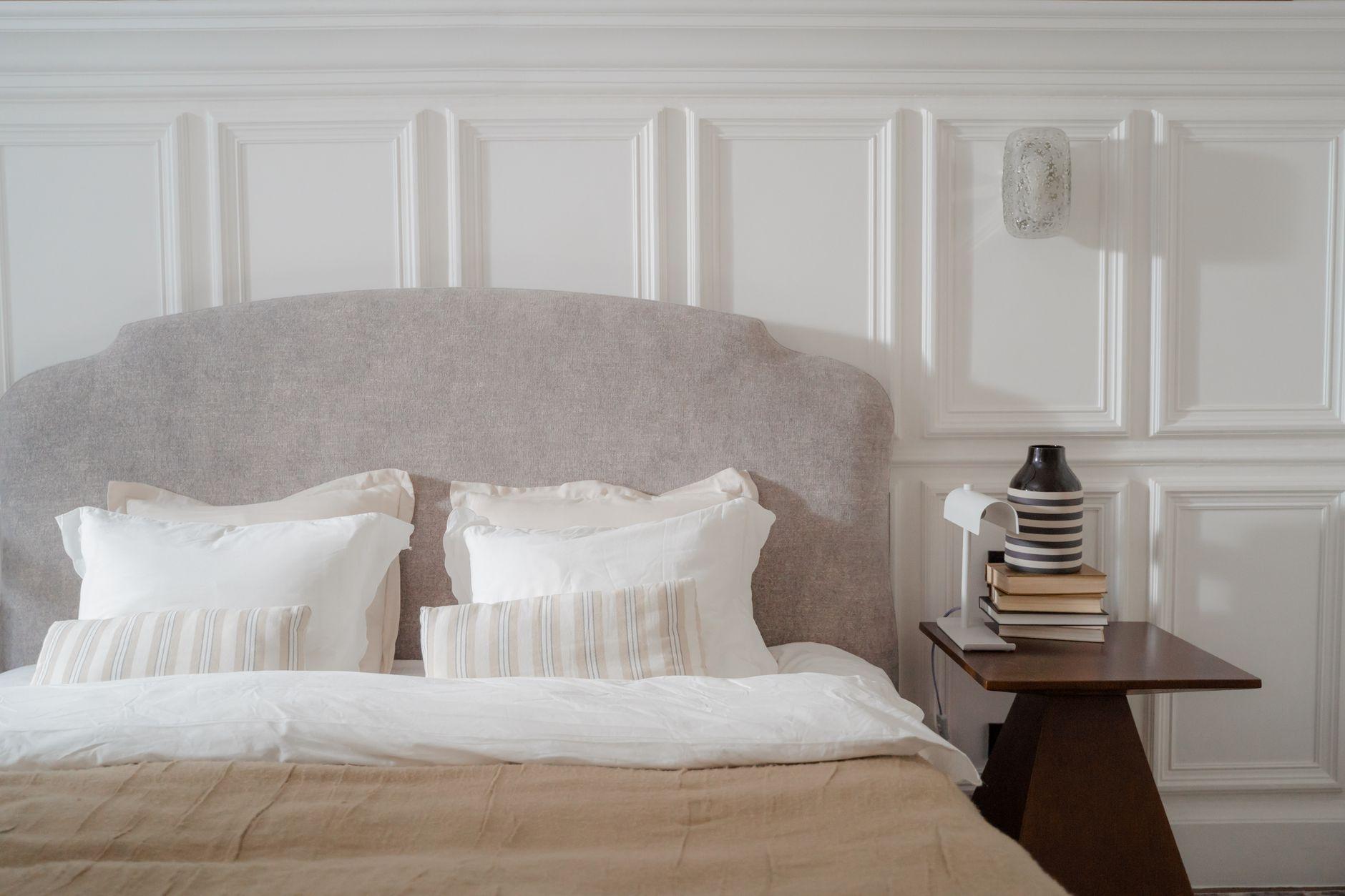
There’s a particular kind of tired that a good bedroom can fix. Not the physical kind exactly, but the low hum of a room that’s working against you — a nightstand buried under clutter, a light that’s a shade too bright, a corner you keep meaning to sort out. Lately a wave of design writing has circled back to the same quiet truth: the most restful bedrooms aren’t the most decorated ones. They’re the ones that ask the least of you.
Across recent coverage from home and lifestyle outlets, the advice is refreshingly un-precious. You don’t need a renovation. You need a few small shifts, most of which cost nothing but an afternoon.
Start by taking things away
The first move most designers suggest isn’t buying anything — it’s editing. According to Real Simple, a calm, cozy bedroom leans on restraint: fewer competing patterns, a gentler palette, and surfaces that aren’t fighting for your attention. Clutter reads as unfinished business, and your brain notices even when you don’t.
It’s worth being honest about the “upgrades” that quietly work against rest, too. The Spruce points out that some additions marketed as luxurious — loud accent pieces, over-styled beds, harsh statement lighting — can actually make a room feel busier and less relaxing. The lesson isn’t to strip your space bare. It’s to notice what you’re keeping out of habit rather than love.
Soften the light and the sound
Light is the lever most people underuse. Overhead bulbs that flatten a room into daytime don’t help you wind down; warmer, lower lamps at bedside height do a lot of the emotional work of signalling that the day is closing.
Sound matters just as much. Real Simple has also covered simple ways to soundproof a bedroom — heavier curtains, a rug underfoot, soft furnishings that absorb the clatter of a noisy street or a shared wall. None of it requires builders. Most of it doubles as cosiness.
Small space? Borrow the tricks anyway
You don’t need square footage to get this right. In one write-up from Apartment Therapy, a renter used affordable storage to carve a studio into something that felt like a proper one-bedroom — giving sleep its own defined zone rather than letting the bed drift into the middle of everything. Defining the space, even with a screen or a well-placed shelf, helps your mind file the bed under “rest” and not “the room where everything happens.”
A few changes worth trying tonight
- Clear one surface completely — usually the nightstand. Leave only what you actually use before sleep.
- Swap a bright bulb for a warmer, dimmer one, or add a low lamp.
- Add something soft — a rug, a throw, curtains — to take the echo out of the room.
- Give the bed a border if your space is open-plan, so sleep has its own corner.
- Move the phone charger across the room, or out of it entirely.
That last one does a surprising amount of heavy lifting. A restful bedroom and a phone within arm’s reach rarely coexist for long — and if scrolling in bed is your sticking point, our guide to reducing screen time without making it a battle is a gentler place to start than going cold turkey.
Let it be a habit, not a project
The temptation with any of this is to treat it as a big weekend overhaul and then never touch it again. But a room stays restful the same way any good thing sticks — through small changes that actually last rather than one dramatic reset. Make the bed. Clear the surface. Turn the big light off an hour earlier. Do it enough times and the room starts holding the calm for you, so you walk in at the end of a long day and feel your shoulders drop before you’ve even reached the pillow.