Some homes seem to exhale the moment you walk in. The light sits softly, the surfaces are clear, and your shoulders drop an inch before you’ve even taken your coat off. It can feel like luck, or money, or some design gene the rest of us missed. But a wave of recent reporting on the subject suggests the opposite: a calmer home is mostly the sum of small, ordinary decisions, many of which cost nothing at all.
Calm starts with what you take away
Before you add a single candle or throw, the consensus across design and well-being writers is that calm begins with subtraction. Real Simple gathered therapist-approved ideas for a calmer home that don’t require buying anything new — a reminder that the work is often editing, not acquiring.
Clutter does quiet damage. As we’ve written before about the small shifts that settle a room, it’s rarely the whole house that unsettles us — it’s a few repeat-offender zones. Country Living has pointed to everyday clutter hotspots that chip away at how restful a space feels: the kitchen counter that collects post, the chair that wears yesterday’s clothes, the hallway table that swallows keys and receipts.
A gentle way in is to pick one surface, not one room. Clear it fully, then be honest about what truly earns its place back. Real Simple has suggested leading with a single decluttering question before you start — the kind of prompt that stops you agonising over every object and keeps the momentum kind rather than ruthless.
Let the room breathe
Crowding is the enemy of calm, and it’s easy to do by accident. The Spruce has noted that certain well-meaning decorating choices can actually make a home feel more cramped — pushing furniture flat against every wall, over-filling shelves, or layering too many competing patterns.
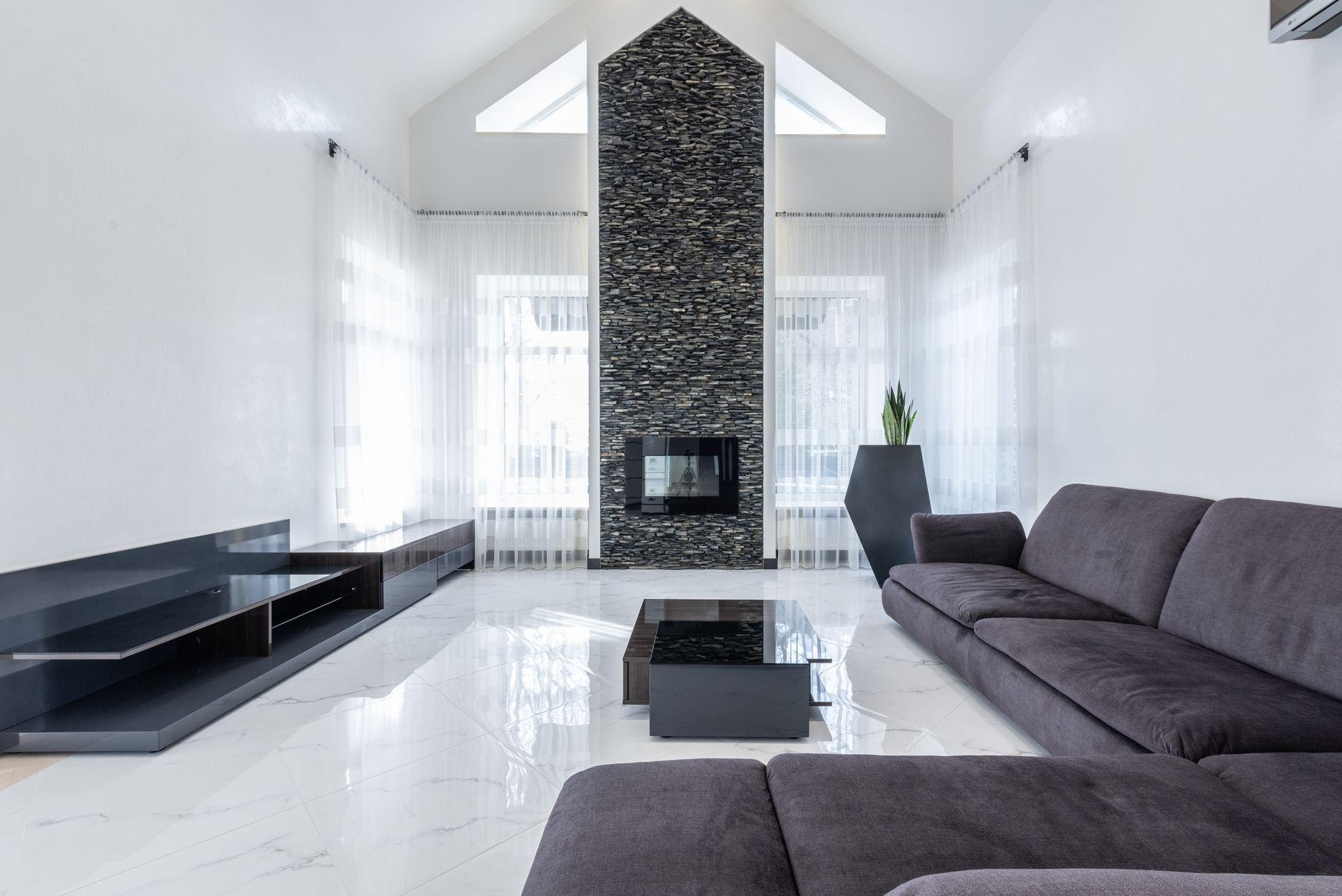
The fix isn’t austerity. It’s a little negative space: a clear stretch of floor, a shelf that isn’t packed end to end, a tabletop with room around the few things you love. Designers quoted across these pieces keep returning to the same idea — empty space is not wasted space, it’s where the eye gets to rest.
Soft light, soft edges, softer evenings
Light does a quiet amount of the heavy lifting. House Beautiful has shared expert-backed ways to warm a home through the colder months, and lighting sits near the top. Swapping one harsh overhead bulb for a couple of low lamps changes the whole mood of a room after dark — something worth leaning into as the evenings draw in.
There’s a reason Scandinavian interiors get cited so often here: Livingetc has highlighted how those homes layer warmth, natural materials and restraint to feel instantly calmer. You don’t need to redecorate to borrow the principle — just dim things down and bring in texture over clutter.
A few no-cost moves to try this week
- Clear one surface completely, then return only what belongs there.
- Pull a piece of furniture a few inches off the wall to open up the room.
- Turn off the big light and use lamps after sunset.
- Give high-traffic clutter zones — counter, chair, hallway — a nightly two-minute reset.
- Pick one restful spot, like the bed, and keep it clear enough to feel like a landing place.
The deeper point, echoed by CNA Luxury in its look at how design shapes well-being, is that a home quietly influences how we feel day to day. And if your evenings often end in the one room that matters most, it’s worth making sure your bedroom actually feels like a place to rest. None of it demands a big gesture — just a few small ones, repeated until the house learns to exhale with you.
Photo by Max Vakhtbovych on Pexels