There’s a particular feeling you get walking into certain homes — shoulders drop, breath slows, the noise in your head quiets a little. It isn’t about square footage or a designer budget. Across a wave of recent coverage, the people who shape rooms for a living keep landing on the same idea: a calm home is built from small, repeatable habits, not big-ticket purchases.
The good news for anyone who’s tired and short on time? Most of what actually works costs nothing at all.
Start by taking things away
Before you add a single candle or throw blanket, the advice is almost unanimous: clear the surfaces first. Organizing pros told The Spruce that thinning out what’s on display is one of the fastest ways to make a space feel bigger and lighter — and a room that reads as roomier tends to read as calmer, too.
You don’t have to empty the house in a weekend. A gentler route is to work one surface at a time — a kitchen counter, a nightstand, the coffee table — and ask of each object whether it genuinely earns its place. That single question does a lot of heavy lifting, and it keeps the job from feeling overwhelming.
The calm is often in what’s missing
It’s worth noting that people with the most soothing homes aren’t necessarily the ones who’ve bought the most “calming” things. As reporting has repeatedly stressed, they’re the ones who’ve learned what to leave out — visual clutter, competing patterns, the pile-up of half-finished projects on every flat surface.
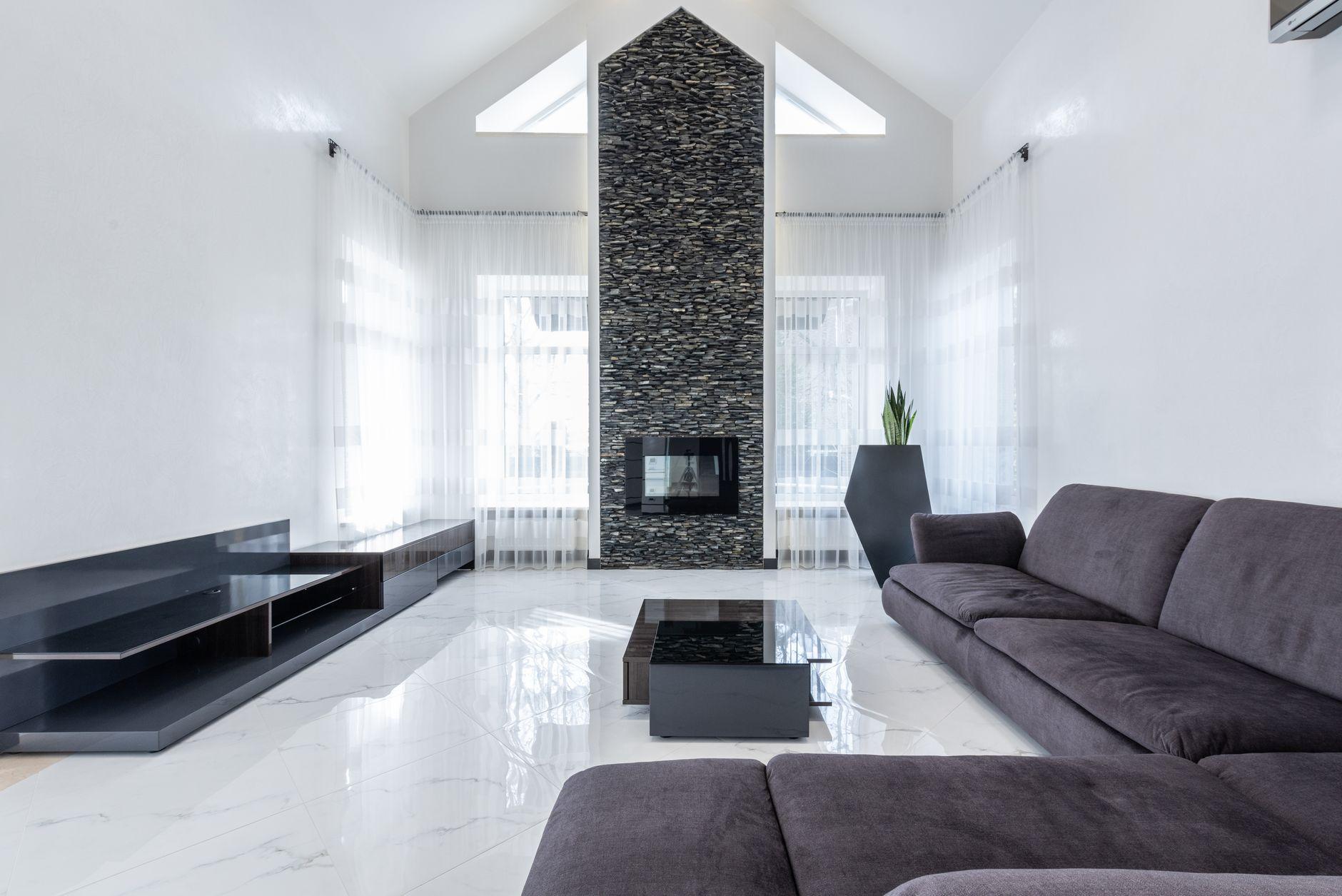
Minimalist-leaning spaces feel peaceful partly because the eye has somewhere to rest. You can borrow that effect without going full minimalist. Pick one shelf or corner to keep deliberately spare, and let it be the spot your gaze lands on when you walk in.
Free moves that change the mood
According to therapist-approved tips shared by Real Simple, a calmer home often comes down to how you use what you already own rather than anything new. Small, no-cost adjustments that come up again and again across outlets include:
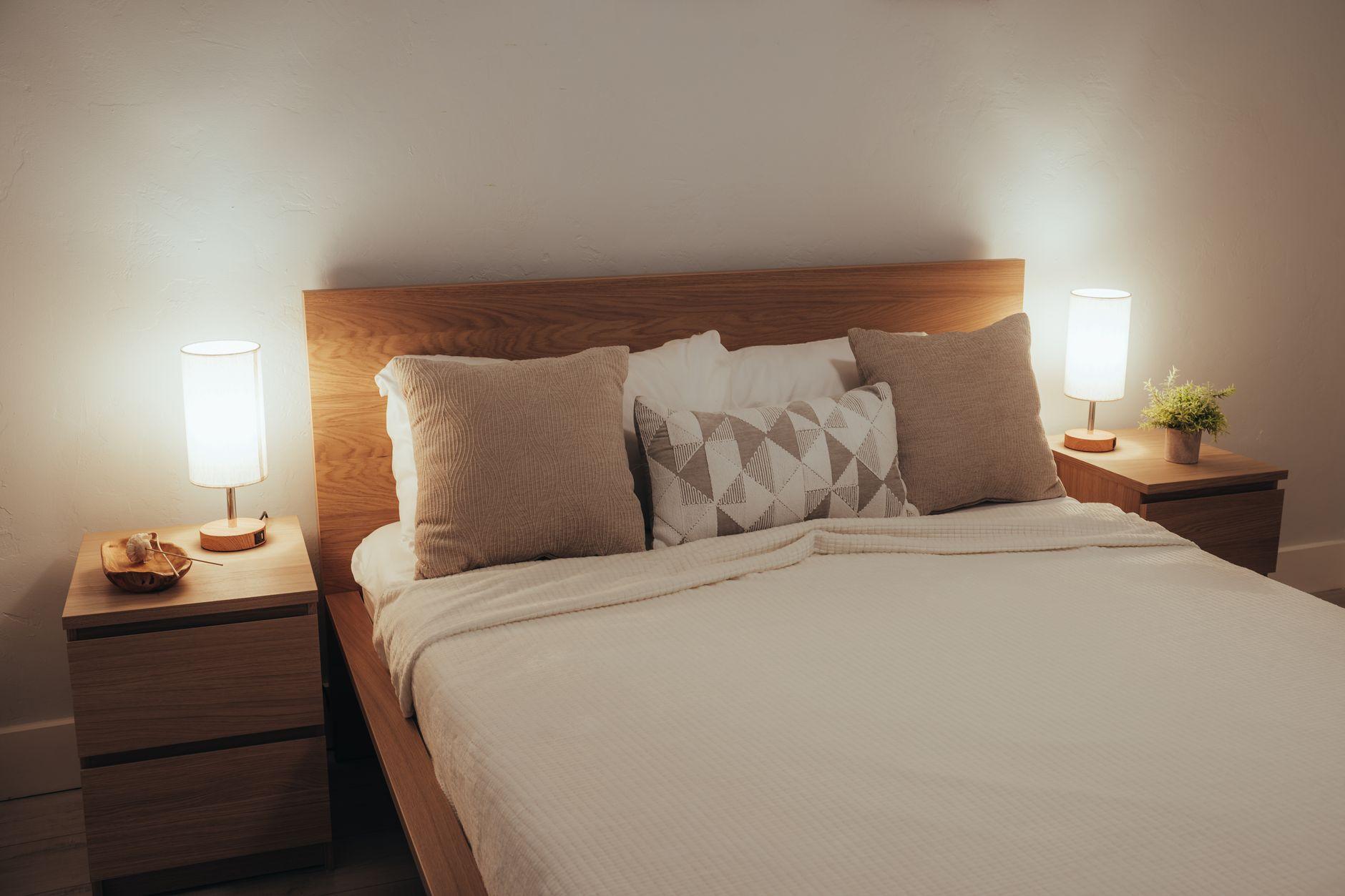
- Letting in natural light during the day and softening to warm, low light at night.
- Making the bed and clearing one “landing zone” where mess tends to collect.
- Grouping like with like so the room stops competing for your attention.
- Leaving a little empty space on purpose, rather than filling every gap.
If the evenings are your hardest hour, it’s worth a look at our own take on making a home feel calmer as the light fades — the shift from bright overhead bulbs to a couple of low lamps is one of the cheapest mood changes going.
Design choices that do the quiet work
Designers also point to a handful of decor levers. Writing for Southern Living, experts highlight choices like soft, cohesive color and natural textures that instantly settle a room, while Newsweek gathered designers on simple decor tweaks that leave a space feeling happier as well as calmer. The through-line is restraint: fewer colors, gentler contrast, a bit of greenery or texture to warm things up.
For busy households, the trick is building these into the ordinary flow of the week rather than treating them as a project. SheerLuxe frames it as a system for people who simply don’t have time to fuss — small resets that run on autopilot.
One room at a time
If the whole house feels like too much, start where calm matters most — the place you sleep. Our guide to making your bedroom feel like a place to rest is a sensible first step, and it pairs naturally with the idea of changing a home one small shift at a time.
No single tip here is revolutionary, and none of them is strictly necessary. That’s rather the point. A calmer home isn’t a destination you buy your way to — it’s the quiet result of a few gentle habits, repeated until they become the way your home simply is.
Photo by Max Vakhtbovych on Pexels