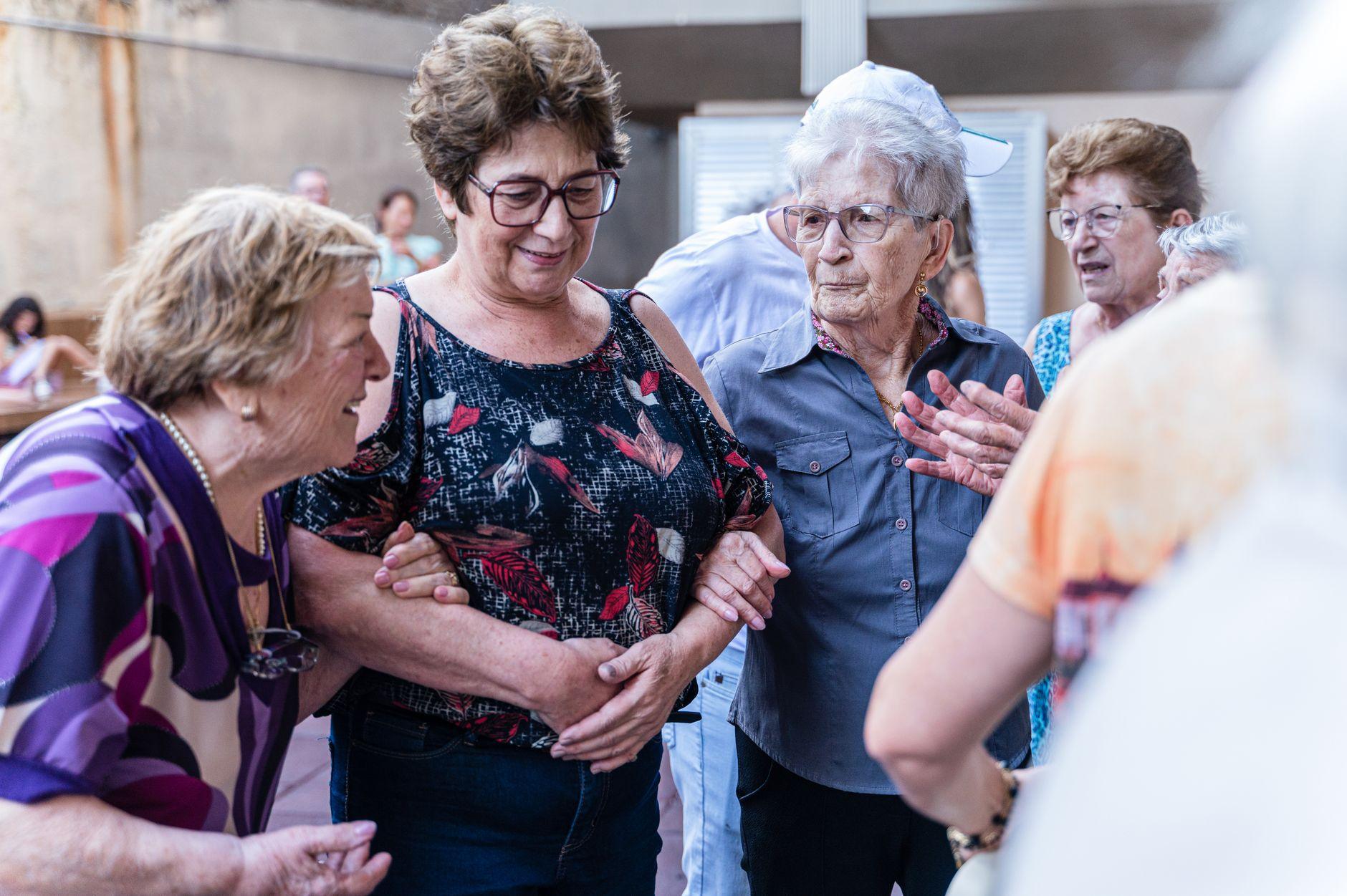
There’s a particular kind of magic in walking into a room and being greeted not with a quiz about who you are or what you do, but with a simple, open-armed sentiment: we’re just glad you’re here. According to The Press Democrat, that phrase has become something of an unofficial motto for a women’s group in Santa Rosa that has been building exactly this sort of welcome — a place where belonging is the whole point, not a happy accident.
It’s a small story on the surface. But small is where belonging usually lives.
Why the ordinary ones matter most
We tend to imagine community as something ambitious — a cause, a crusade, a membership with rules. In practice, the groups that change how people feel about their weeks are often far humbler. A circle of women meeting regularly. A promise that newcomers won’t be left standing awkwardly by the snack table. A room where you’re allowed to arrive as you are.
Researchers keep arriving at the same conclusion from different directions. Writing for Greater Good, the Berkeley-based science publication, experts have outlined how small, deliberate gestures help newcomers feel they genuinely belong rather than merely attend. The theme echoes across the research landscape: one study in Frontiers found that the social interaction woven around shared activities — not the activity itself — is what bridges people into real community cohesion.
In other words, it’s rarely the thing you came for. It’s the people you found while doing it.
What makes a welcome actually land
The Santa Rosa group’s appeal, as reported, seems to rest on a refreshing lack of pretension. No one has to earn their place. That instinct — to lower the bar for entry rather than raise it — is quietly radical in a culture that often treats connection as something you qualify for.
A few things tend to separate groups that make people feel they belong from groups that merely gather:
- Someone notices the new face. Belonging dies in the gap between the door and the first conversation.
- There’s no performance required. You can be tired, quiet, or new, and still be welcome.
- Showing up is enough. Consistency, not charisma, is what builds trust over time.
- The welcome is stated out loud. “We’re glad you’re here” does real work when it’s said and meant.
As we’ve explored before, belonging, not just company, is often what we’re actually missing — the difference between being in a room and being held by it.
The quiet discipline of showing up
None of this happens by accident, and it doesn’t happen once. The women in Santa Rosa, by all accounts, keep returning — and that return is the mechanism. A single warm evening is lovely; a reliable one changes a life. It’s the same truth behind so many thriving local circles, from faith-based small groups to bilingual book clubs quietly building a sense of home. The structures differ. The ingredient doesn’t.
And it asks something of us, too. As we’ve written, the simple truth about belonging is that you have to show up — for the group, and eventually, for the next person walking in unsure whether they’ll be welcome.
A template anyone can borrow
The details of the Santa Rosa group remain modest, and that’s rather the point — this isn’t a scalable program so much as a posture. You don’t need a venue, a budget, or a mission statement to begin. You need a regular time, an open door, and the willingness to turn to a stranger and mean it when you say you’re glad they came.
Belonging, it turns out, is less a feeling we wait to receive than a thing we hand to one another, one welcome at a time.
Photo by Priscilla Cezar on Pexels