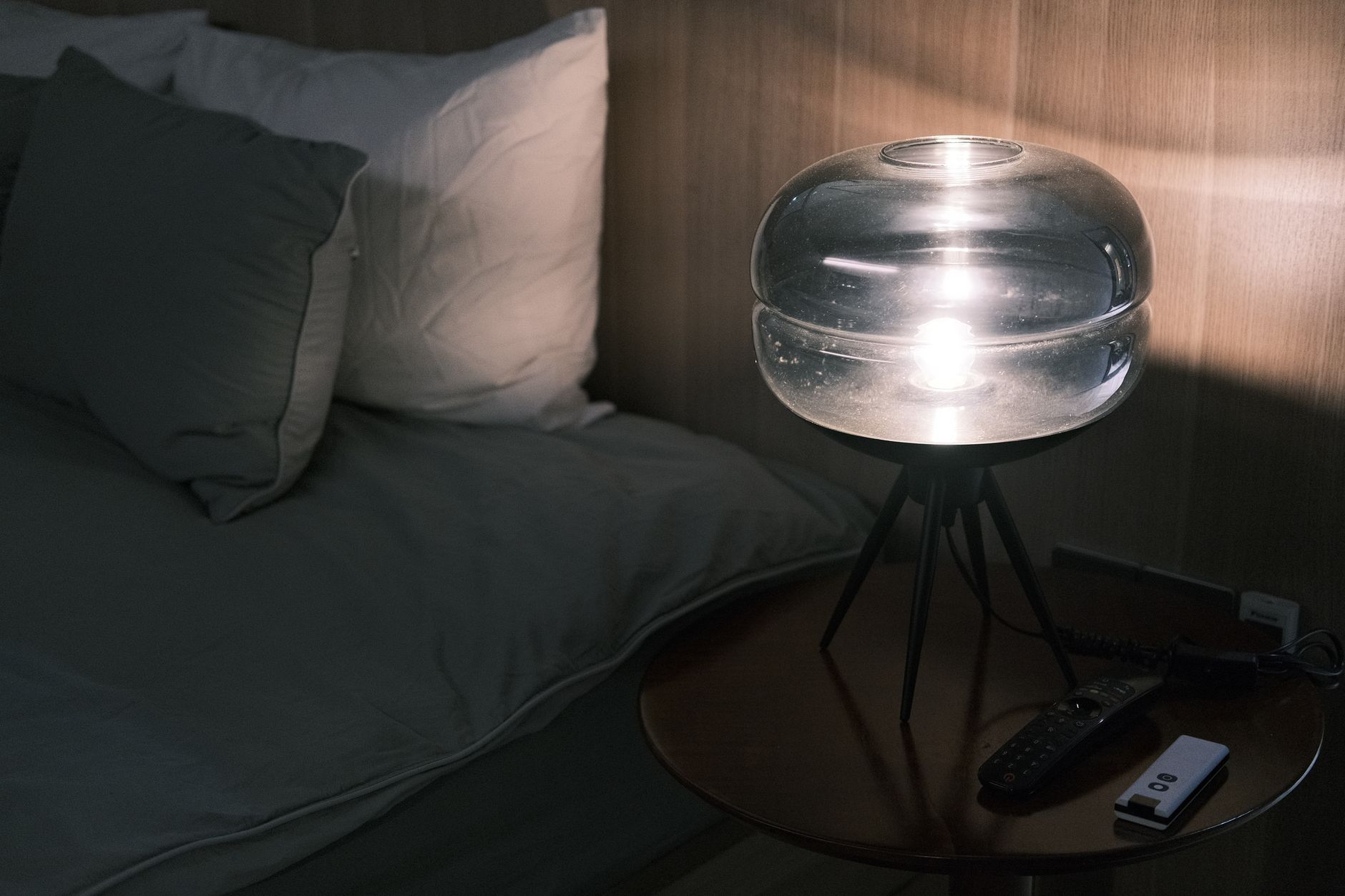
There’s a particular kind of tiredness that comes not from a hard day, but from a restless night — the sort where you lie in the dark, mind whirring, willing sleep to arrive. If that sounds familiar, you’re in good company. A wave of recent coverage from health outlets has landed on the same gentle conclusion: better sleep rarely comes from one clever trick. It comes from a routine you can keep.
Sleep starts long before bedtime
One of the most useful reframes in the current reporting is that the work of a good night begins hours before your head hits the pillow. According to daytime habits coverage and sleep-hygiene guides alike, what you do with your morning light, your afternoon caffeine and your evening screens shapes how easily you drift off later.
The Cleveland Clinic frames this as “sleep hygiene” — the everyday environment and habits that either invite rest or quietly sabotage it. Think of it less as a strict regimen and more as setting the stage so sleep can do what it does naturally.
A simple evening wind-down
Much of the advice circulating converges on the same soft landing: a predictable sequence of calming cues that tells your body the day is done. GQ and NPR both describe rituals to ease a hyped-up body and mind toward rest — dimming lights, stepping away from screens, and giving yourself permission to slow down.
A few building blocks that come up again and again:
- A consistent bedtime and wake time — even on weekends, which helps steady your internal clock.
- A screen buffer — a stretch of time before bed without the bright, buzzing pull of a phone.
- A calming cue — a warm shower, a few pages of a book, slow breathing, or a stretch.
- A cooler, darker, quieter room — small environmental tweaks that make a real difference.
Some people like a structured version of this. The 10-3-2-1-0 rule, for instance, offers a countdown — cutting caffeine, food, work and screens at set hours before bed. Whether a formula fits you or feels fussy is personal; the underlying idea is simply to taper, not to crash.
Consistency does the quiet heavy lifting
If there’s a single thread running through all this reporting, it’s consistency. Research highlighted by Penn State links a regular bedtime in children with steadier emotion and behaviour — a reminder that rhythm, not perfection, is what the body craves at any age.
First-person experiments bear this out too. Writers who tried doctor-recommended routines for a couple of weeks tended to notice the benefit build slowly rather than arrive overnight. The Guardian’s account of a 66-day habit-building attempt is honest about the slumps along the way — proof that a routine is a practice, not a switch.
Be patient — and kind to yourself
If there’s a trap to avoid, it’s turning sleep into another performance to ace. Lying awake worrying about not sleeping only tightens the knot. The NHS and Verywell Mind both lean toward gentle, repeatable habits over pressure.
Start with one change this week — a steady wake time, perhaps, or a phone-free half hour. If you’d like a longer walk-through, we’ve gathered more on the gentle wind-down and building a bedtime routine that actually sticks. The best routine, in the end, is the one you’ll still be keeping a month from now.
This article offers general well-being ideas, not medical advice. If sleep problems persist, speak with a qualified professional.