There’s a particular kind of hum that fills a cluttered room. Not a sound, exactly — more a low background noise in the mind, the sense of a hundred small unfinished things tugging at your sleeve. If you’ve ever felt lighter after clearing a kitchen counter, you already know the feeling the research keeps circling back to: that tidying our spaces can quietly tidy us, too.
Across a wave of recent coverage, the message is warm and surprisingly consistent. Clearing clutter isn’t just about a prettier home. It’s about giving your head a little more room to breathe.
Why mess weighs on the mind
The link between our surroundings and our mood is more than a feeling. According to Verywell Mind, cleaning and decluttering are tied to real mental-health benefits — a sense of control, accomplishment, and calm that comes from putting a small corner of life in order. A messy environment competes for your attention whether you notice it or not; a clear one lets your focus settle.
That’s the quiet logic behind the idea, reported by outlets including the Washington Post and others, that spring cleaning does something good for us beyond the sparkle. The trick, as they note, is making the process less stressful than the clutter itself.
Start absurdly small
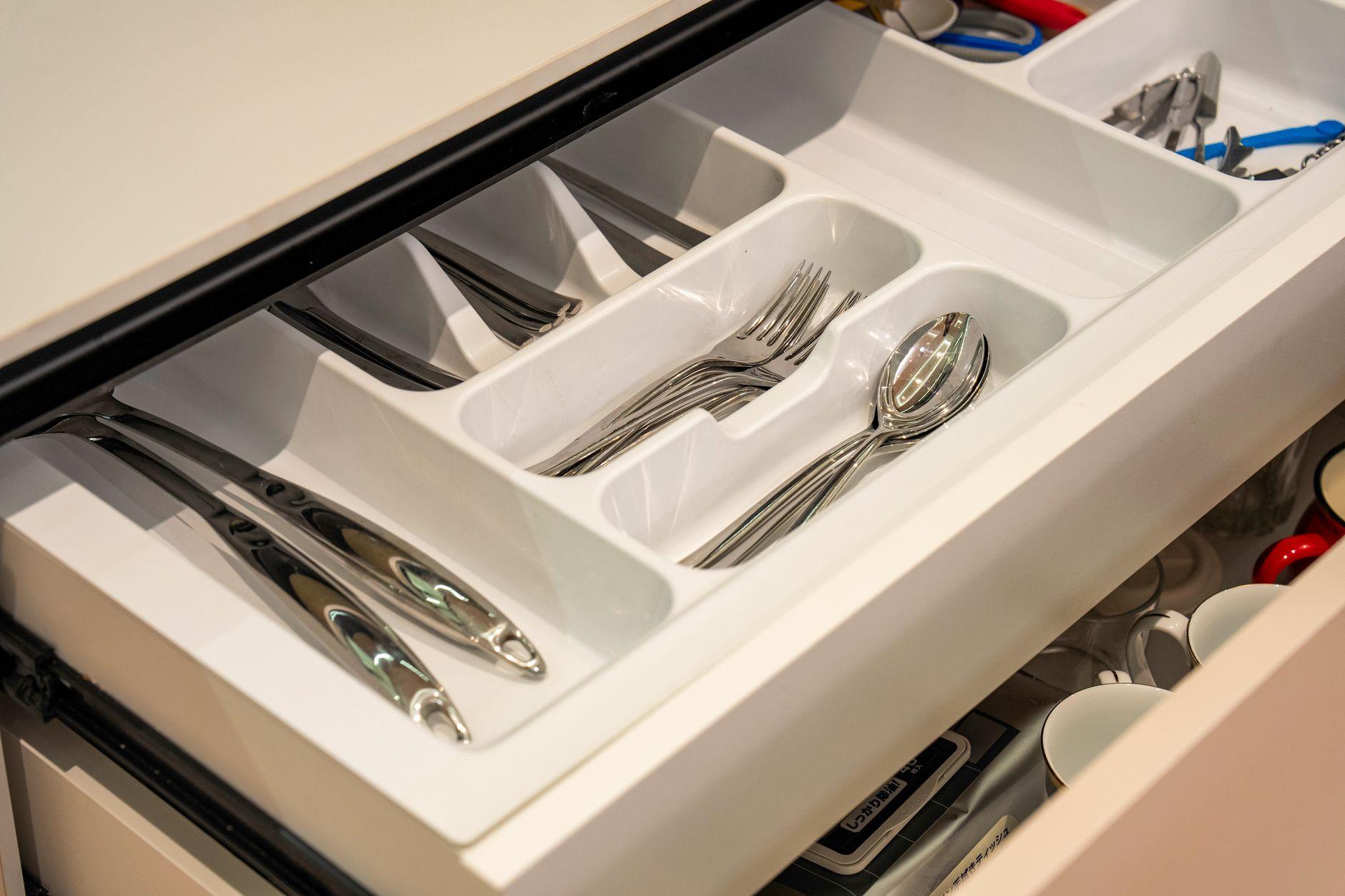
Here’s the part that makes all of this doable. You do not need to clear the garage. As Hartford Hospital describes it, cleaning out a single drawer can shift your whole mindset — a small, finishable win that proves to your brain that order is possible. One drawer. Ten minutes. That’s the whole ask.
We’ve written before about how to start with one drawer precisely because momentum loves a small beginning. The tiny victory is the point. It’s also why the ten-minute habits that quietly lower daily stress tend to stick where grand overhauls fall apart.
Be gentle with your nervous system
Decluttering can also backfire if it tips into overwhelm. Homes & Gardens gathered psychology-backed tips for keeping your nervous system calm while you sort, a useful reminder that the goal isn’t a punishing purge. If deciding what stays and what goes sends your heart racing, that’s a sign to slow down, not push harder.
A few gentle principles that run through the coverage:
- Pick one surface, not the whole house. A drawer, a shelf, a single counter.
- Set a timer. Ten or fifteen minutes caps the effort and protects your energy.
- Notice how the space feels after. That small exhale is the reward worth chasing.
- Leave the ruthless rules behind. This is about ease, not a competition.
Decluttering the invisible stuff
It isn’t only drawers and wardrobes. The Telegraph makes the case for decluttering the mind itself — caring a little less about the inessentials and saying “no” more often. And there’s a bedtime version, too: Real Simple describes a “five-item wind-down” rule, a short tidy-and-settle ritual to calm the mind before sleep. Digital clutter gets a mention across the reporting as well, as outlets suggest 2026 might be the year to thin out the notifications and overflowing inboxes.
The quiet takeaway
None of this is medical advice, and nobody’s promising a clear drawer will solve a hard day. But the through-line from all these outlets is genuinely encouraging: calm doesn’t require a dramatic transformation. It can start with one small, finished thing — and a step outside afterward never hurts, which is why a short walk pairs so well with a few minutes of fresh air. Open a drawer. Keep what you love. Let the rest go. Then notice how much lighter the room — and you — feel.
Photo by Bilguun Gantumur on Pexels