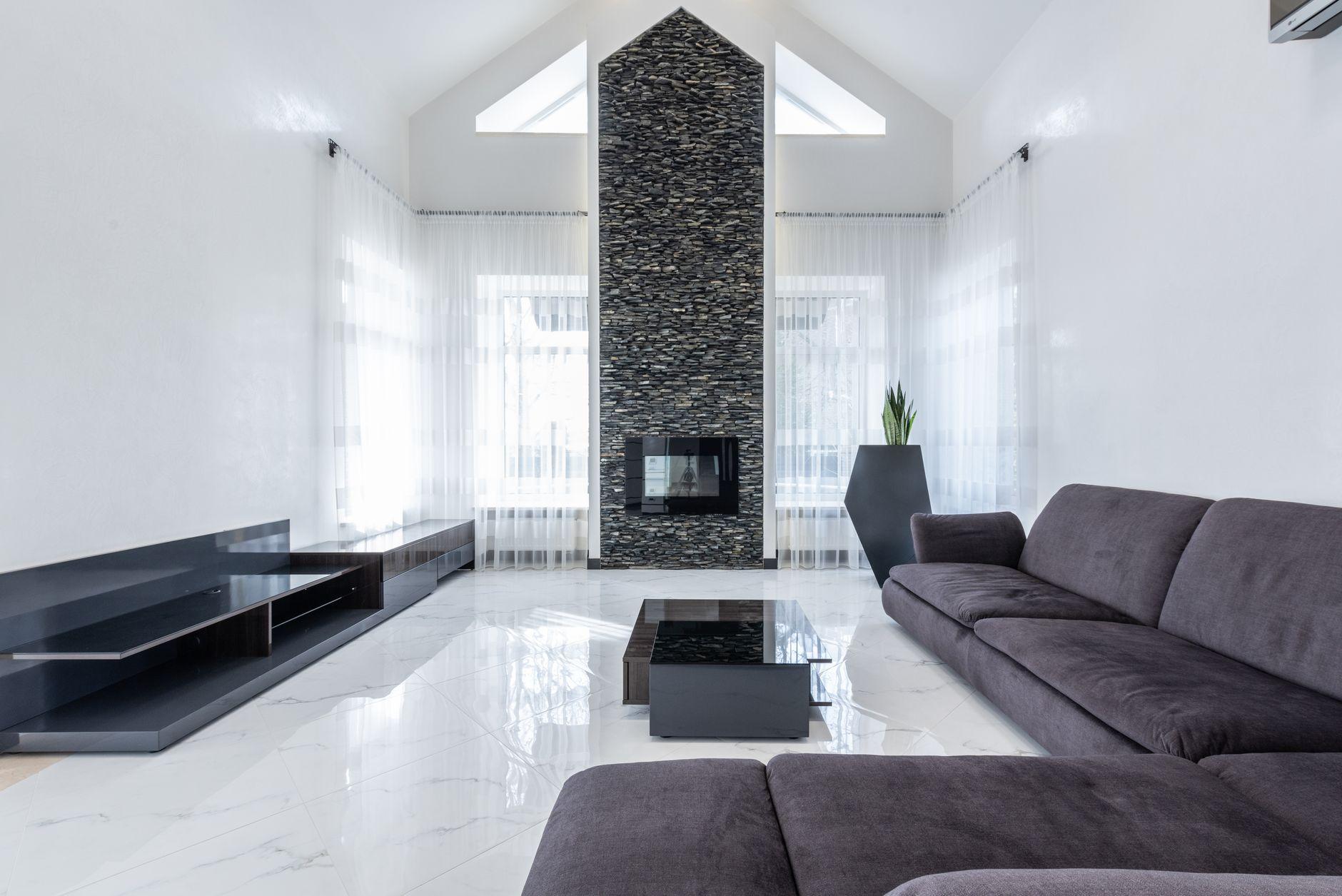
There’s a particular kind of quiet that settles over a room once the clutter is gone. Not the silence of an empty space, but the ease of one that’s no longer asking anything of you. It’s why the idea of decluttering keeps circling back around every season — not as a chore, but as a small act of care for the mind.
And the good news, which a wave of recent coverage keeps returning to, is that you don’t need a free weekend or a skip in the driveway to feel the difference. You can start with a drawer.
Why a tidy space eases the mind
The link between our surroundings and how we feel is more than folk wisdom. As Verywell Mind has reported, tidying and cleaning are often tied to a greater sense of calm and control — a small way of steadying ourselves when everything else feels loud. A cluttered room can quietly nag at us, a hundred tiny unfinished tasks in our peripheral vision.
The reverse is just as true. Clearing even a corner can lift the mood in a way that feels out of proportion to the effort. Outlets covering the topic, including The Oakland Post, have framed it simply: a cleaner space tends to make room for a calmer mind.
Small starts beat big overhauls
The temptation is always to go big — to declare a whole-house reckoning and then feel defeated before you’ve begun. But much of the recent advice points the other way, toward the smallest possible entry point.
One reason is your nervous system. As Homes and Gardens has noted, decluttering itself can feel surprisingly stirring — deciding what to keep, what to let go, and confronting the memories attached to objects. Going slowly, and keeping the task small, helps you stay calm rather than overwhelmed.
If you’d rather work in a burst, that’s fine too. Country Living has laid out a step-by-step plan for tackling a home over a single weekend — proof that a structured approach can turn a daunting job into something finite and satisfying.
Where to begin tonight
A few gentle, low-stakes ways to start, drawn from the ideas circulating across recent coverage:
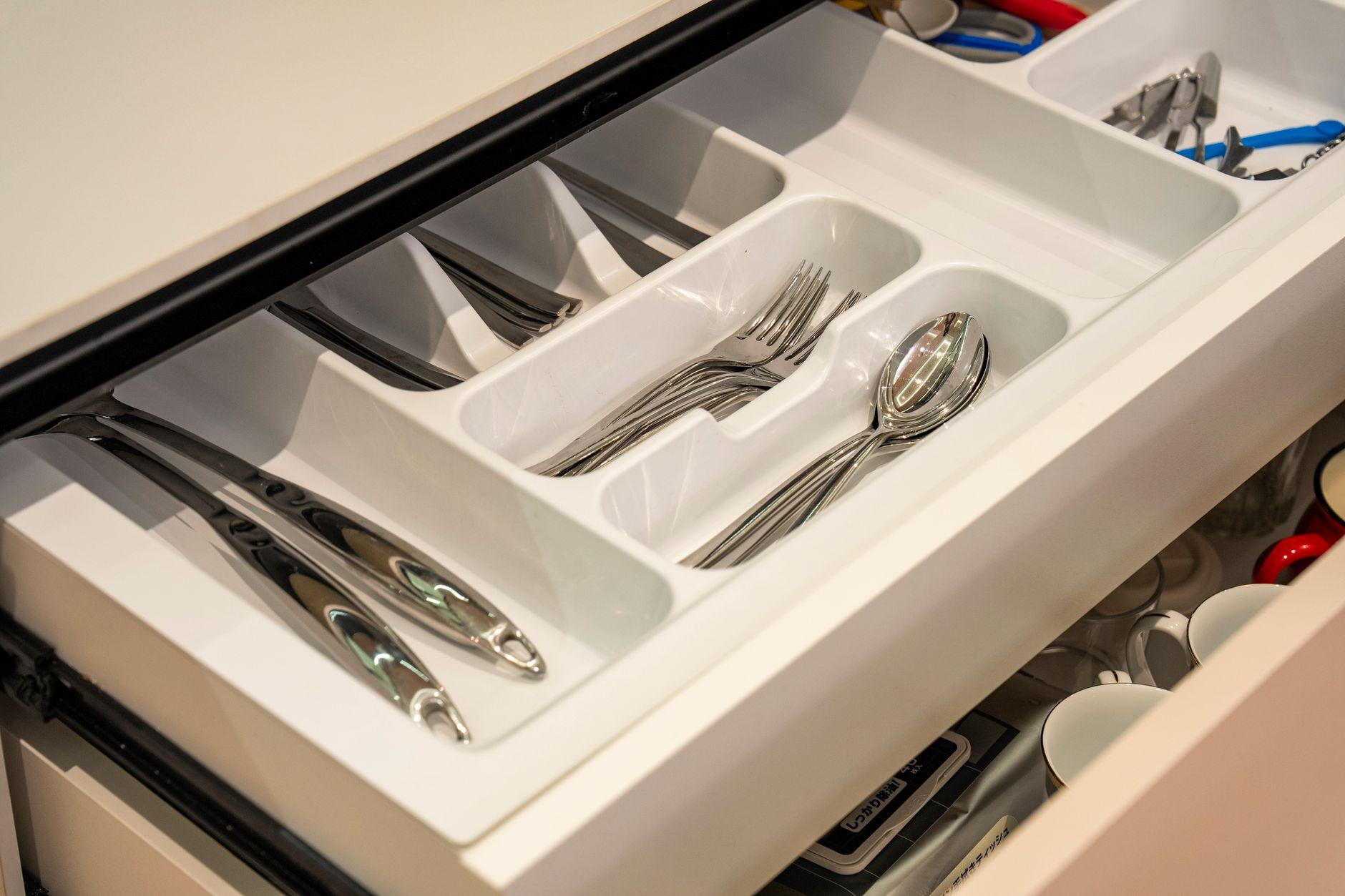
- Pick one drawer. Not the whole kitchen — one drawer. Finishing something small delivers an outsized sense of momentum.
- Try a five-item wind-down. Real Simple has written about resetting just five things before bed — a couple of cushions straightened, a mug moved to the sink — so you wake to calm rather than yesterday’s mess.
- Declutter the intangible. The Telegraph has argued that clearing the mind can mean caring less about the non-essentials and saying “no” a little more often. Space isn’t only physical.
Let the calm spread through the house
Once one drawer is done, the instinct to keep going often follows on its own. The bedroom is a natural next stop, since a restful room does quiet work for sleep and mood alike — our guide to making your bedroom feel like a place to rest is a gentle place to pick up the thread.
From there, the same principle carries into every room: fewer things clamouring for attention, more room to breathe. If you’d like a broader map, we’ve gathered small steps for making your home feel calmer, starting today.
The point isn’t a perfect house
It’s worth saying plainly: decluttering isn’t a cure for anything, and a spotless home won’t fix a hard day. What it can do — modestly, reliably — is hand back a little sense of order. One clear surface. One drawer that closes easily. One evening that begins in a tidy room instead of a chaotic one.
Start small, be kind about the pace, and let the calm build from there. The mind, it turns out, appreciates the elbow room.
Photo by Bilguun Gantumur on Pexels