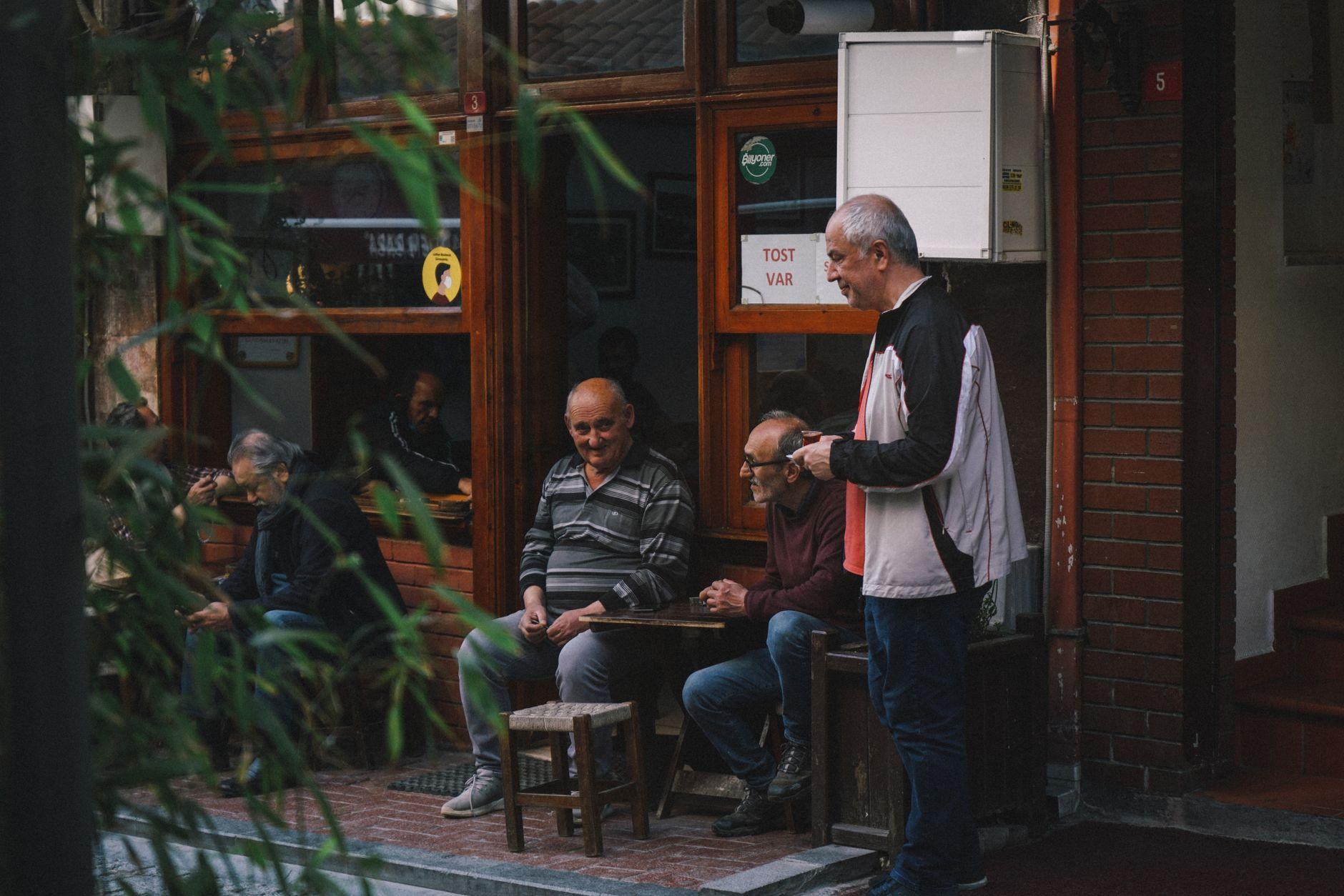
Think about the last place you lingered that wasn’t your house and wasn’t your job. Maybe it was a corner cafe where the barista already knows your order. Maybe it was a library table, a barbershop, a park with good shade, or a church hall after the service let out. That somewhere-else has a name, and lately it’s everywhere in the conversation: the third place.
The phrase has been bubbling up across newspapers, universities, and think tanks all year. As Boston University recently explored, there’s a reason everybody is suddenly talking about them — and it has a lot to do with how thin the space between home and work has become.
What a third place actually is
The idea is simpler than it sounds. Your first place is home. Your second place is work. A third place is everything in between — the easygoing, come-as-you-are spots where you run into people, pass the time, and feel like you belong without having to earn it.
What makes a third place work usually isn’t fancy. The best ones tend to share a few plain-spoken traits:
- They’re easy to get into. You don’t need an appointment, a membership, or a big budget.
- Conversation is the main event. People talk across tables and counters, not just within their own group.
- The regulars set the tone. Familiar faces make newcomers feel welcome rather than watched.
- Nobody’s keeping score. Your title and paycheck stay at the door.
Why they’re suddenly everywhere in the news
Part of the surge in attention is loss. The space between home and work has been shrinking for years, squeezed by remote routines, pricier main streets, and lives that increasingly happen on screens. When the in-between places fade, people notice how much they were quietly doing.
Researchers are putting language to that feeling. The Urban Institute has made the case that third places help communities thrive — not as a nice extra, but as part of the civic glue that keeps neighbors connected. Outlets ranging from The New York Times to business press like Inc. have run their own takes, and faith writers have asked whether a church can be more than a Sunday stop.
Who feels the gap most
When third places vanish, not everyone loses equally. According to reporting from Chalkbeat, teenagers in Philadelphia who felt unwelcome downtown spoke up for more free, safe places to simply be during the summer — somewhere to gather that doesn’t require spending money or justifying your presence.
It’s a reminder that these spaces are partly about belonging and partly about access. Sometimes they appear by accident, too; the American Enterprise Institute described how Princeton more or less stumbled into building a lively third space, proof that the right conditions can matter as much as grand design.
Finding — or making — your own
The encouraging part is that third places aren’t rare by nature. They’re all around, often hiding in plain sight: the community garden, the rec center, the diner booth, the stoop. What they need from us is showing up more than once, learning a few names, and letting the place become a habit.
If you’re looking to root yourself a little deeper, it’s worth thinking about the everyday spots where belonging happens and how small routines turn a venue into a home-away-from-home. These are, after all, the places that quietly hold a community together — not through programming or policy, but through the ordinary act of people being in the same room again and again.
No diagnosis, no self-improvement plan required. Just somewhere to go, someone to nod at, and the gentle sense that you’re part of the furniture. That’s the whole point.
Photo by Ahmet Hezretov on Pexels