There’s a quiet comfort in knowing that one of the most useful things you can do for your body and your mood costs nothing, needs no equipment, and starts the moment you open your front door. Walking has been having a bit of a moment in the headlines lately, and for once the advice is refreshingly down-to-earth: you don’t have to train for anything or hit a magic number to feel the difference.
Forget the magic number
The famous 10,000-step target has loomed over a lot of us for years, usually blinking guilt from a wrist all evening. But the newer reporting is gentler than that. According to the British Heart Foundation, meaningful benefits for heart health show up well below that round figure, and any increase on where you are now counts for something.
Several outlets have landed on a similar, friendlier message. As TODAY.com reported, small tweaks to an existing walking routine — rather than a total overhaul — can support heart health for people who can’t reach five figures a day. The point isn’t perfection. It’s movement you’ll actually repeat tomorrow.
What a daily walk really does
The appeal of walking is how broadly it works. A simple half-hour, done most days, is credited with a long list of everyday benefits. Prevention rounded up what experts say thirty minutes a day can do for the body, while Real Simple highlighted that the payoff reaches the mind as much as the muscles — the headspace, the mood lift, the sense of having moved through your day rather than been dragged by it.
And if you’ve ever wondered whether a plain old walk is “enough,” the reassuring answer from the experts consulted by EatingWell is a firm yes. It counts. It always counted.
Small steps that actually stick
The trick to walking more isn’t willpower — it’s stitching it into things you’re already doing. A few starting points worth borrowing:
- Anchor it to a habit you already have. A lap round the block after your morning coffee, or a short loop before dinner, is easier to keep than a vague plan to “walk more.”
- Break it up. Reports on recent research suggest several shorter walks across the day can be as worthwhile as one long one — handy if a solid half-hour never seems to appear.
- Make the first walk tiny. Five minutes counts. Momentum, not distance, is what you’re building in week one.
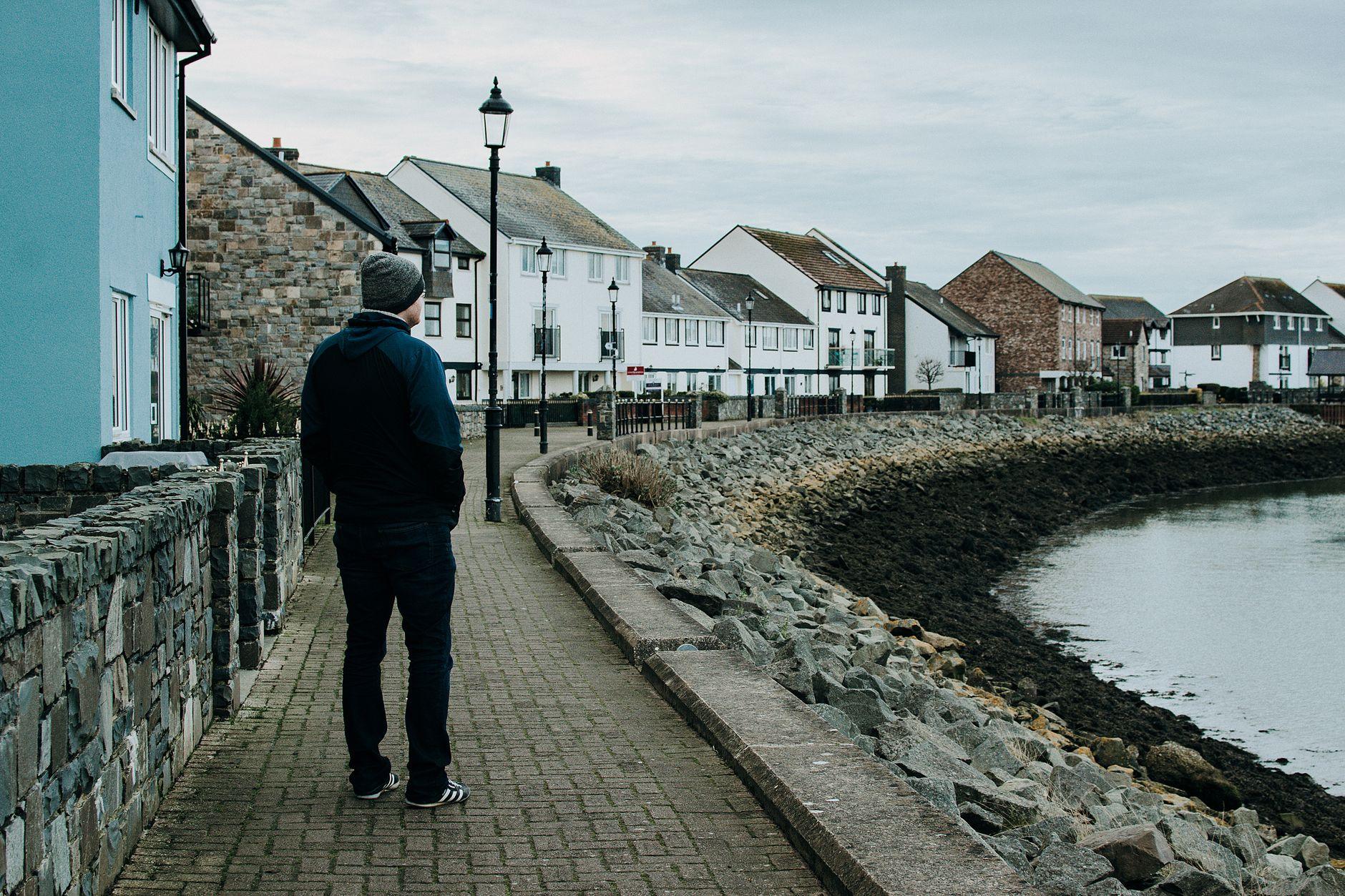
- Let the route do the work. A pretty street, a park path, a friend to natter with — pleasure is what turns a one-off into a habit.
For more gentle, practical ways to build the habit, our own guides on walking more one small step at a time and small steps that actually stick are a good place to start.
Keep it human
Interest in walking is clearly widespread — the BBC has even reported on an NHS scheme designed to reward people for walking thirty minutes a day, a sign of how seriously the simple stuff is being taken. But you don’t need a scheme or a tracker to begin. You need shoes, a few minutes, and permission to start small.
None of this is medical advice, and if you have health concerns it’s always worth a word with your GP before you ramp up. Otherwise, the most honest guidance in all the recent coverage might be the least complicated: pick a number you can actually manage, step out the door, and let tomorrow’s walk take care of itself.
Photo by Lisa Fotios on Pexels