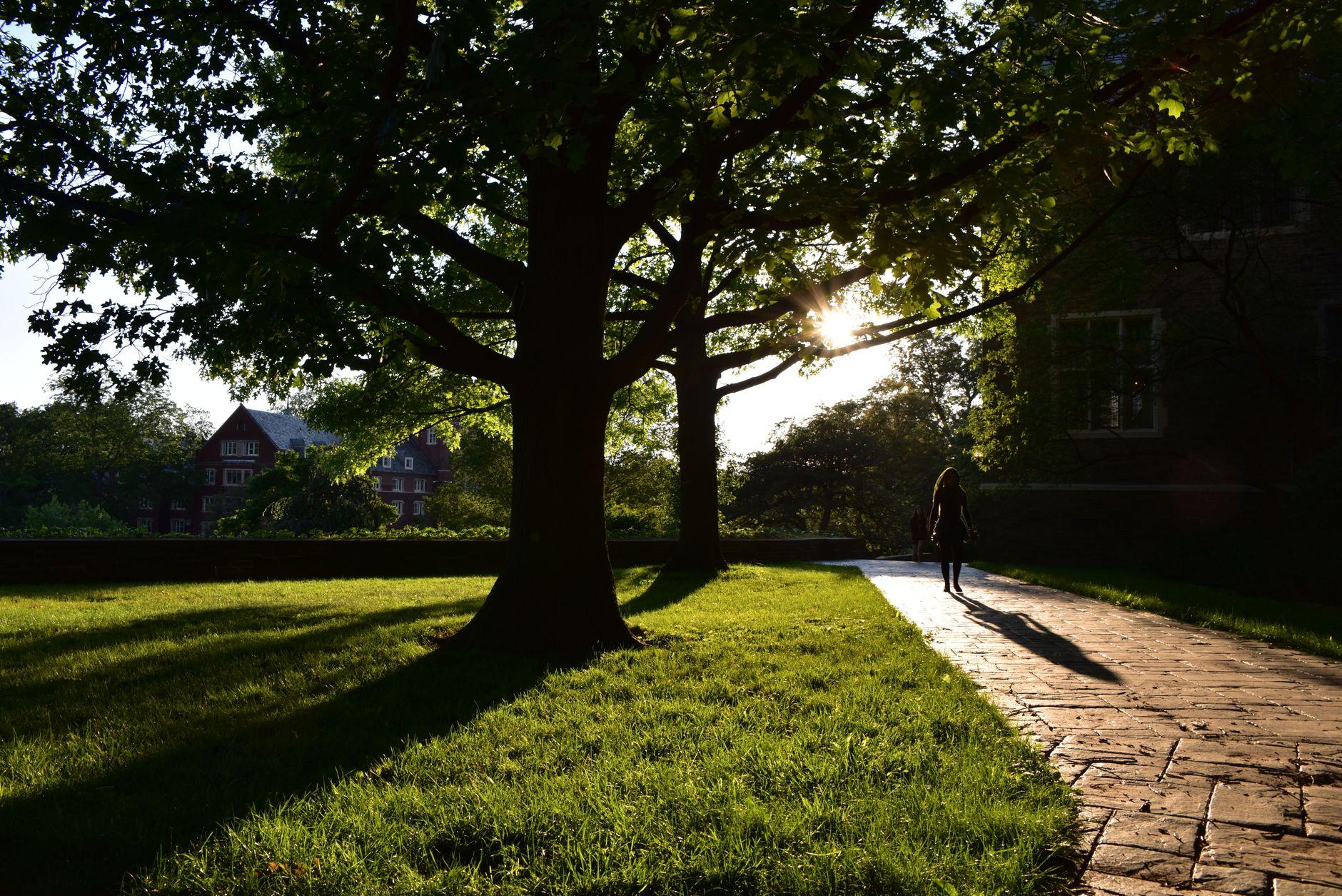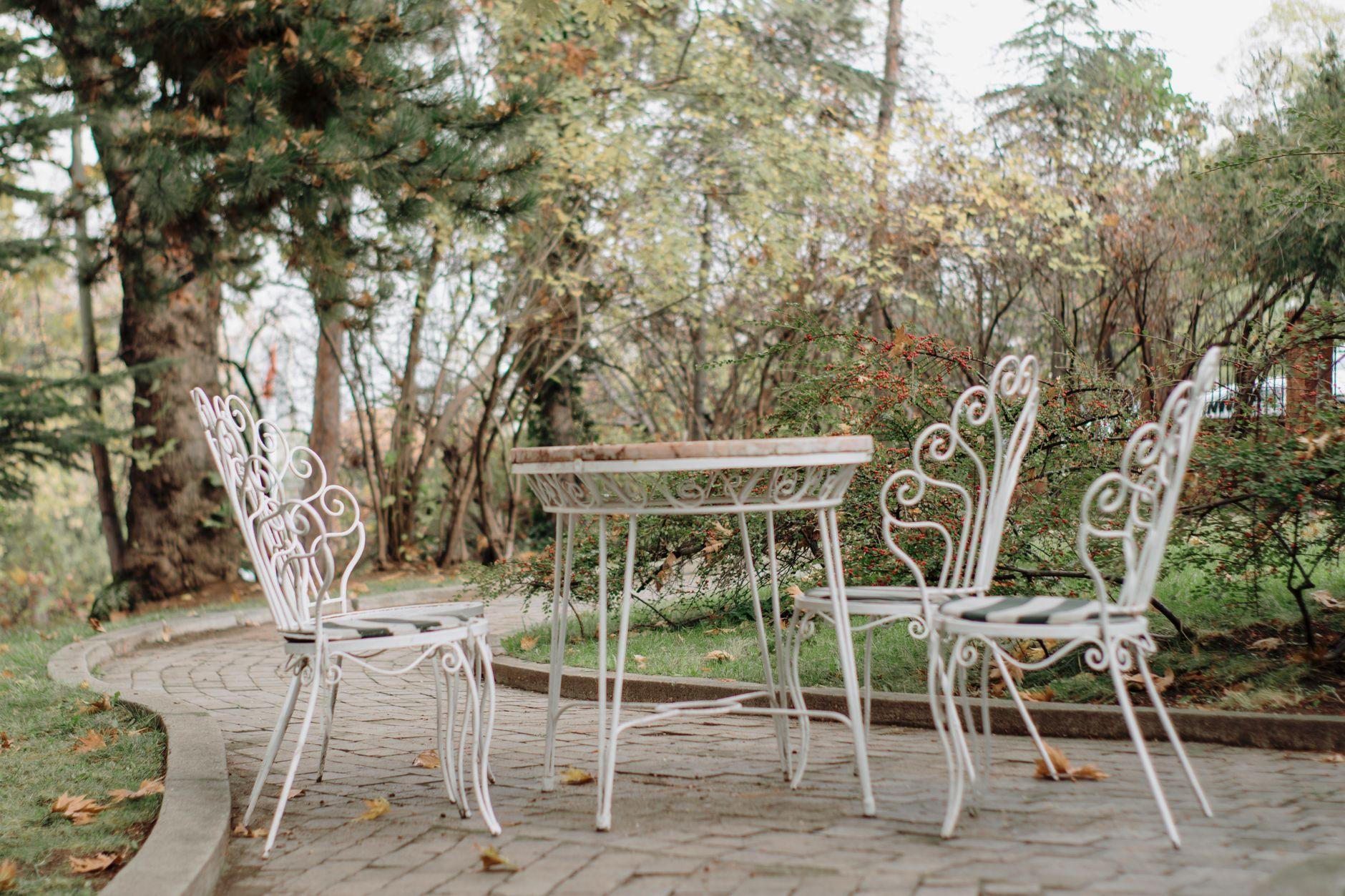
It turns out that wanting to be outside more and actually getting there are two very different things. We nod along to the idea that fresh air is good for us, then look up and realise a whole week has passed between the car, the desk and the sofa. The gap is real and it is common: according to The Guardian, roughly half of UK adults report spending less than three hours a week outdoors in nature.
A rule you can actually remember
If “get outside more” feels too vague to act on, the Forest Preserve District of Will County offers a framework worth borrowing: the 20-5-3 rule. As reported, it breaks down roughly like this:
- 20 minutes in nearby nature — a park, a tree-lined street — several times a week.
- 5 hours a month in semi-wild green space, somewhere a little leafier than the block around your home.
- 3 days a year fully off-grid in wilder country, the kind of trip that resets you.
The appeal is that it scales. You do not need a mountain to start; you need twenty minutes and a door.
Why it is worth the bother
The health case keeps stacking up across outlets. Reporting from institutions including Harvard’s public health school, UCLA Health and the University of Utah Health has linked time in nature with benefits for both physical and mental well-being. The trend is serious enough that, as Medical Xpress reports, some GPs have begun “prescribing” time in nature as part of care. (None of this is medical advice — it is simply a habit worth protecting.)
And the shortfall is widely felt. According to Earth.com, teenage boys in particular are spending less time outside than they used to, while a survey covered by Texas A&M found many Americans are missing out on nature’s benefits entirely.
Start with yourself — then your street
If you are hoping to pull the whole household outdoors, one educator quoted by West Virginia Explorer puts it plainly: start with yourself. Children follow what the adults around them actually do. And the pull of a neighbourhood matters too. Research from the University of Alberta suggests kids play outdoors more when their parents feel a strong sense of community involvement. Fresh air, it seems, is partly a social habit.
That rings true here in Charlotte, where park meetups have become a quietly reliable way to get outside without having to organise anything grand — we wrote about why the city is falling for park meetups again. The same logic drives third places: the everyday spots that make stepping out feel like something rather than a chore.
Lower the bar for getting out
Sometimes the barrier is simply that there is nowhere easy to land. One small, charming example: The Ithacan reports on student-made Adirondack chairs scattered across a campus to coax people into lingering outdoors. A seat is an invitation. So is a season — The Oakland Press rounds up fall activities worth squeezing in before winter, a useful nudge while the light holds.
You do not have to hit every number on the chart this week. Put a chair where you’ll use it, text a friend to meet at the green, and let the twenty minutes do the rest. For more on how our shared outdoor spaces shape all of this, our look at how Charlotte’s parks are at a crossroads is a good next read.