Stress rarely arrives as one dramatic event. More often it seeps in through the cracks of a normal Tuesday — the pileup of emails, the traffic, the small frictions that never quite resolve. The good news, echoed across a run of recent health coverage, is that the antidotes can be just as small. You don’t need to clear your calendar. You need ten minutes and a little intention.
The case for small moments
Several outlets have converged on the same reassuring idea: brief, repeatable habits can meaningfully shift how you feel. Real Simple gathered mental health experts around the notion that ten minutes is genuinely enough to change your state, while EatingWell rounded up science-backed ways to relieve stress in the same short window. The theme is consistent — the barrier to feeling better is usually lower than we assume.
That matters because the stress most of us carry is cumulative. Banner Health has written about “microstress,” the small, almost invisible pressures that build up through the day without ever announcing themselves. If the stress is made of small pieces, it makes sense that the relief can be too.
Breathe first
If there’s a single tool that shows up everywhere, it’s the breath. The Independent reported on an expert recommending a handful of daily breathing exercises to steady anxiety, and researchers have been testing the idea rigorously — a study published in npj Digital Medicine evaluated simple digital breathing interventions against real-world daily stress. The appeal is obvious: your breath is always with you, it’s free, and it works whether you’re at your desk or stuck in the school pickup line.
Move, and step outside
Movement is the next reliable lever. A cardiologist told Business Insider that a few minutes a day can help protect the heart from the wear-and-tear of chronic stress — a reminder that calming your mind and caring for your body aren’t separate projects. Where you move matters too. The Heart and Stroke Foundation of Canada has highlighted nature-based activities for stress relief, and even a short walk under trees can reset a frazzled afternoon.
A few low-effort resets worth trying:
- A slow, extended exhale — longer out than in — repeated for a minute or two.
- A ten-minute walk, ideally somewhere green.
- A single creative act with no goal attached, from doodling to humming.
- Naming what you can control, and letting go of what you can’t.
Make something
Creativity earns its place on that list. The University of Arizona’s health sciences team has explored how creative arts support mental health in everyday life — no talent or audience required. The value isn’t the finished product; it’s the absorbing, low-stakes attention that pulls you out of the worry loop.
The quiet power of agency
Perhaps the most encouraging thread comes from ScienceDaily, which reported on research suggesting that a sense of control — feeling that you can act, however modestly — is itself a way of taking stress back into your own hands. That’s really what all these small habits offer: proof to yourself that you have a move to make.
The trick, of course, is repetition. A single deep breath won’t remake your week, but a habit will. As we’ve explored in our look at the small daily rituals quietly reshaping how we feel, consistency is where the payoff lives — and our guide to why habits actually stick is a good place to start if the tenth minute keeps slipping away.
None of this is medical advice, and none of it replaces professional support when stress becomes too heavy to carry alone. But for the ordinary friction of an ordinary day, the message from the experts is refreshingly humble: start small, start now, and let it add up.
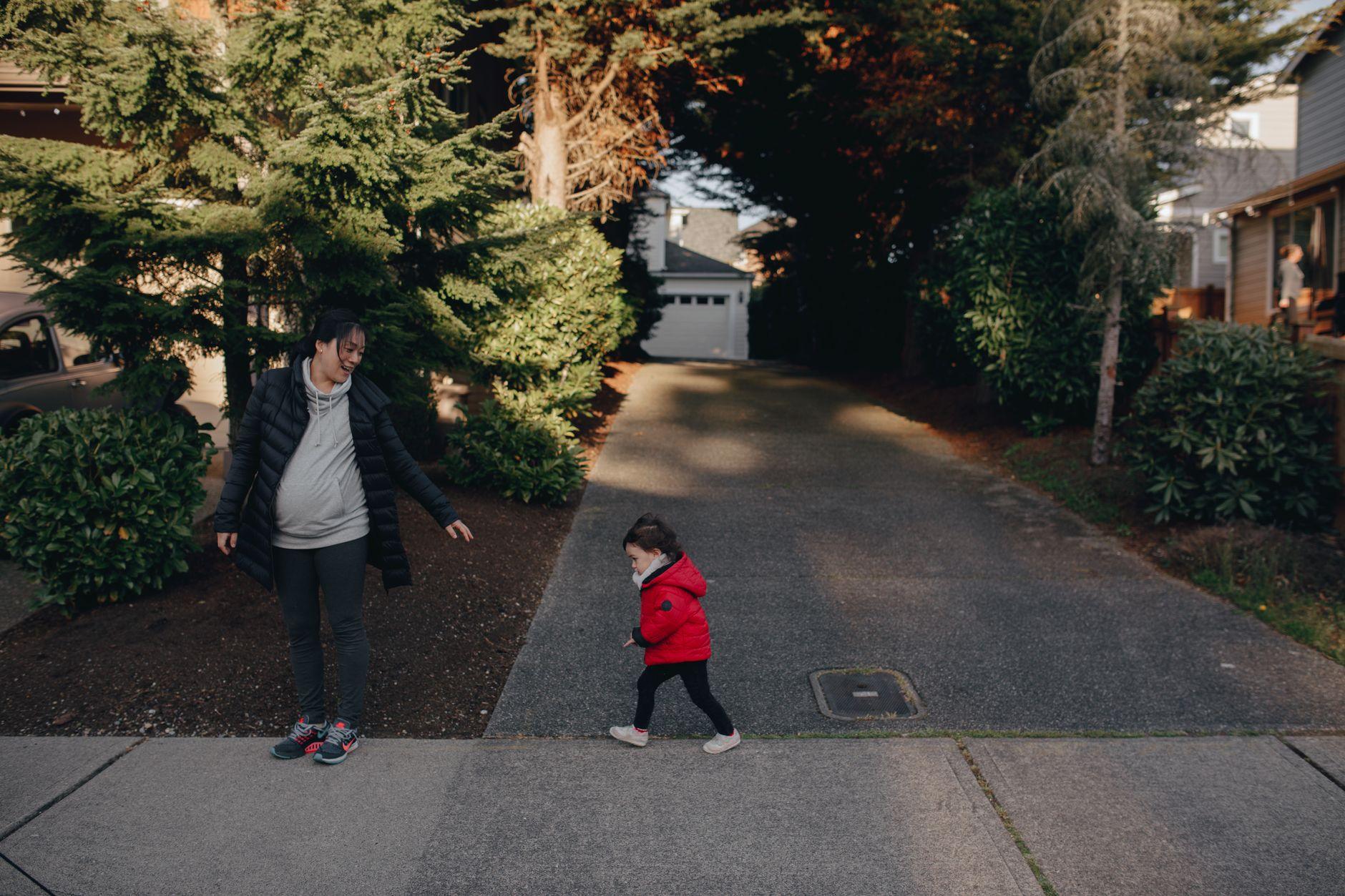
Photo by Andrea Piacquadio on Pexels