Here is a quietly sobering figure: according to reporting in The Guardian, half of UK adults say they spend less than three hours a week outside in nature. That’s less time under an open sky in a whole week than many of us spend scrolling on a single evening. And it’s not just a British habit — a survey highlighted by Texas A&M found that most Americans are missing out on the everyday benefits of being outdoors, too.
The good news, tucked inside all this data, is how little it takes to change the picture.
Small doses, real returns
You don’t have to hike a ridge line or book a cabin weekend. As Time Magazine has reported, even a modest stretch — think 15 minutes outdoors — can deliver a meaningful lift to how you feel. Researchers and clinicians keep landing on the same unshowy conclusion: regular, short contact with the outside world does something good for us.
Health writers at NewYork-Presbyterian point to a spread of benefits from spending time outdoors, and University of Utah Health notes the boost it can give your mental well-being. This isn’t a prescription — it’s simply what tends to happen when daylight, fresh air and a bit of green re-enter the routine.
Make it embarrassingly easy
The trick with any habit is lowering the bar until stepping over it feels almost silly. A few ways to fold the outdoors into an ordinary day:
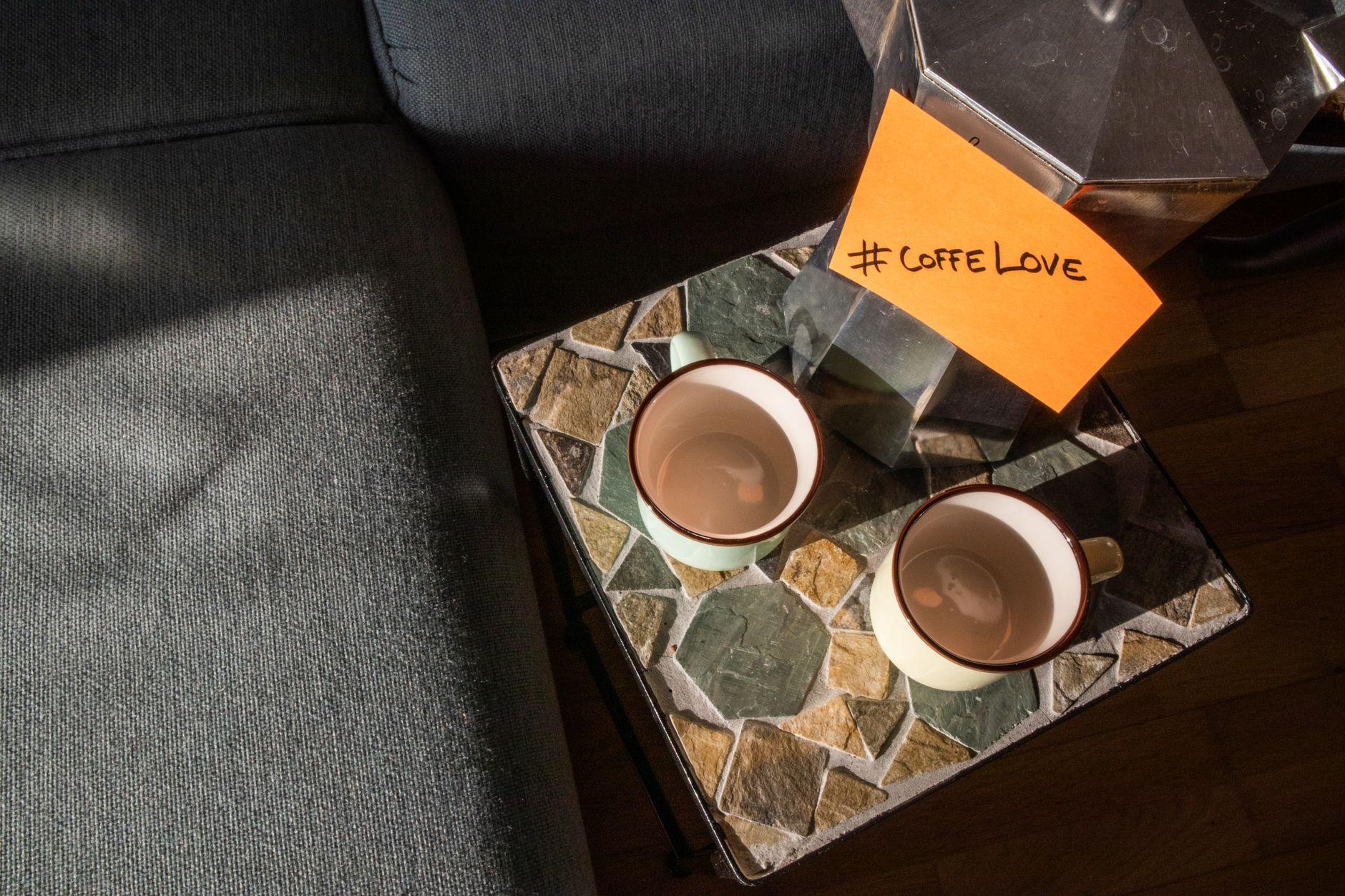
- Anchor it to something you already do. Coffee on the step. A phone call taken on the pavement instead of the sofa. Lunch eaten on a bench.
- Shrink the target. Aim for the length of one song, not an hour. Fifteen minutes is a full serving, not a consolation prize.
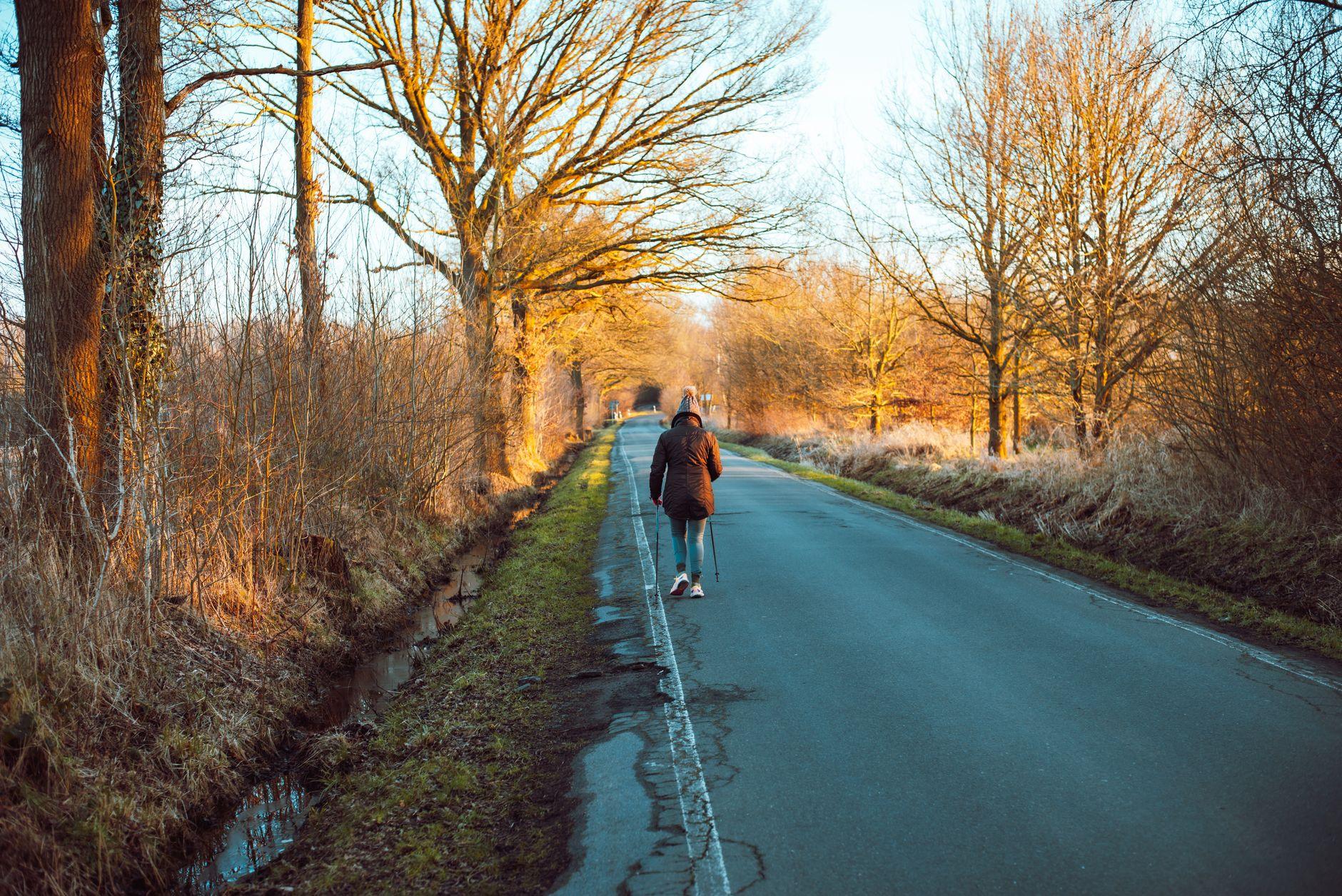
- Go without a mission. No steps to hit, no podcast to finish. Just out, then back.
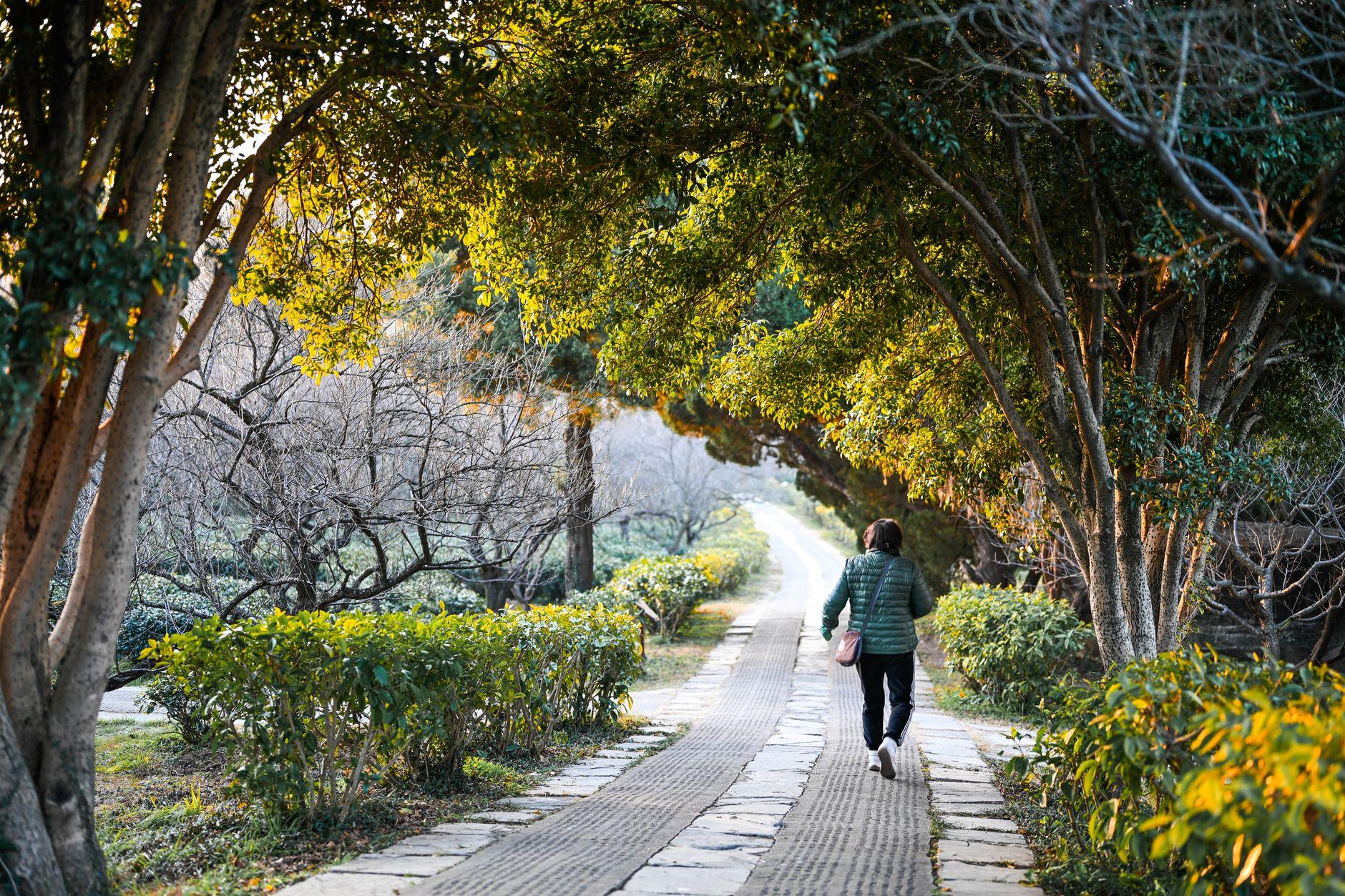
- Borrow the daily commute. Get off a stop early, park at the far end, walk the long way round.
These are close cousins of the ten-minute habits that quietly lower daily stress — tiny, repeatable, and far kinder to a busy life than a grand overhaul you’ll abandon by Wednesday.
Start with yourself, not a lecture
Parents hoping to peel their children away from screens may find the most effective lever is their own behaviour. As one educator told West Virginia Explorer, if you want your kids outdoors more, start with yourself. Children copy what they see far more reliably than what they’re told. A parent who wanders into the garden, pokes at a plant, or takes an aimless evening stroll is teaching without a single instruction.
Better together
Time outside doesn’t have to be solitary, and often it’s stickier when it isn’t. Roping in a neighbour or friend turns a good intention into a standing arrangement — the reason, perhaps, that Charlotte is falling back in love with park meetups. A shared bench and a proper catch-up counts. So does walking a dog that isn’t yours.
A word of common sense, too: outdoors is best enjoyed with a hat, a bit of sunscreen and an eye on local air-quality and heat advisories when they crop up — the sort of seasonal safety reminders health officials issue every summer.
The lowest-stakes experiment you’ll run all week
If three hours in seven feels distant, don’t start there. Start with one door, opened once a day. The research keeps suggesting the returns are quietly generous — and unlike most self-improvement projects, this one asks almost nothing of you but a few minutes and the willingness to step outside.
Photo by Ramon Karolan on Pexels