There’s a tempting fantasy about burnout: that one glorious weekend away — phone off, candles lit, nothing on the calendar — will set everything right again. You come home Sunday night, exhale, and you’re fixed. If only. The more honest picture, according to a wave of recent reporting, is that recovery moves at the pace of a season, not a spa break. And strangely, knowing that can be the first relief you feel in weeks.
First, name what you’re actually feeling
Exhaustion that sleep doesn’t touch. A fog that makes simple decisions feel enormous. A creeping sense of distance from work and people you used to care about. As USA Today has noted, that bone-deep tiredness is one of the clearest flags that you’re dealing with burnout rather than an ordinary rough patch. The Cleveland Clinic describes burnout as something you can learn to recognise and respond to — not a character flaw, and not something you simply push through by trying harder.
One thread running through recent guidance in The Guardian is deceptively simple: let yourself feel your feelings, and reconnect with the things you once loved before the to-do list swallowed them. Not as a productivity hack. As a way back to yourself.
Give it real time
Here’s the part nobody wants to hear. Forbes has argued that burnout recovery can take years, not weeks, and that planning accordingly is kinder than pretending otherwise. Some reporting goes further still, suggesting many people who burn out never feel they fully bounce back to their old selves. That sounds bleak, but reframe it: if recovery is a long road, then a slow week with no visible progress isn’t failure. It’s just the terrain.
You don’t always have to quit
A common fear is that the only cure is a dramatic exit — hand in your notice, sell everything, disappear. Several outlets push back on that. The question of whether you can genuinely recover while still clocking in is a live one, and the consensus is a cautious yes: it’s possible, but it usually means changing how you work, not just white-knuckling through. Smaller boundaries, protected hours, saying no to the optional extras — these count more than one big gesture.
If you do find your energy is the real bottleneck, it helps to shrink your expectations to match. A few gentle anchors that show up again and again:
- Protect sleep as if it were an appointment you can’t move.
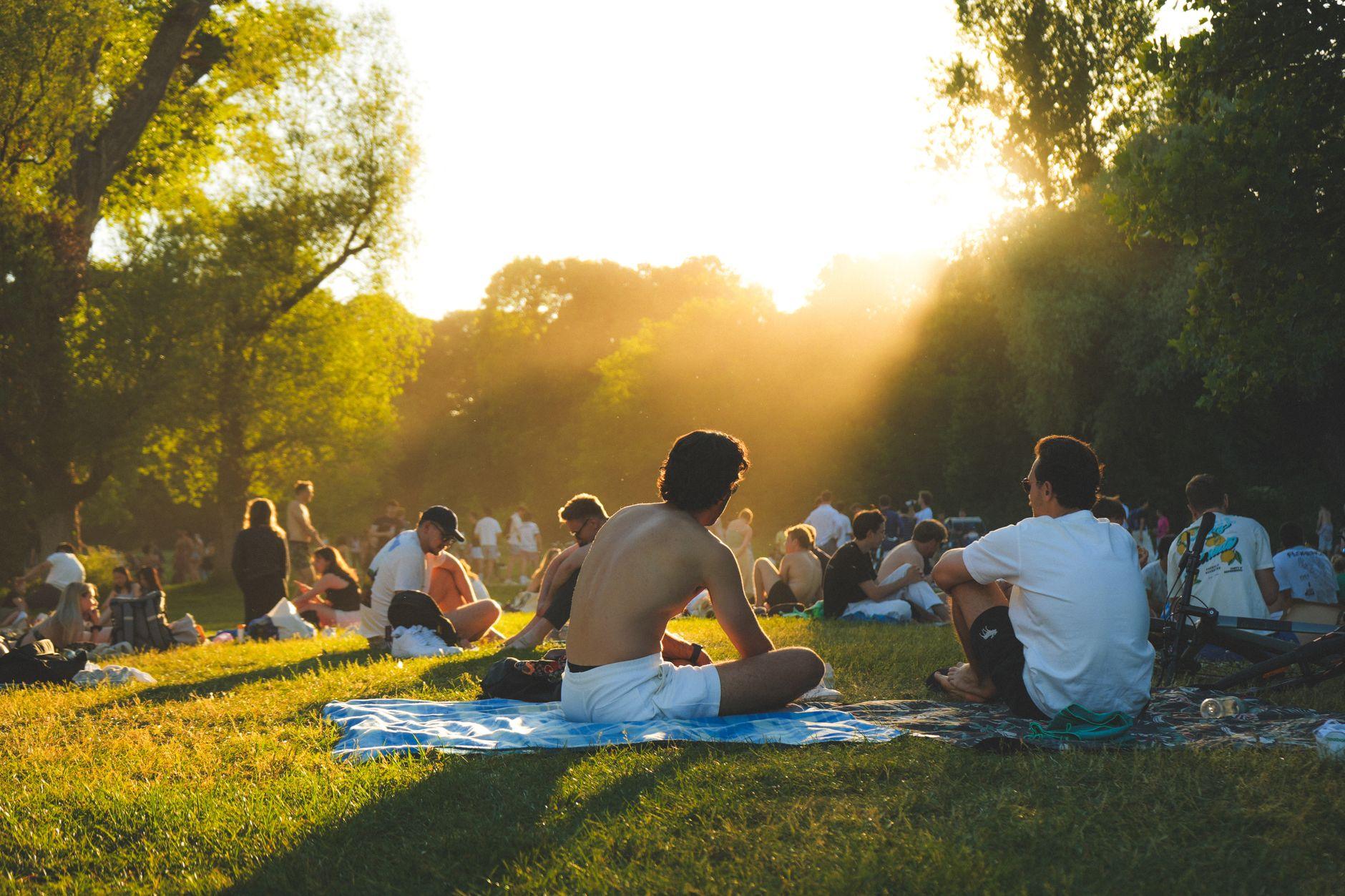
- Reintroduce one old passion in small doses — a hobby, a walk, a recipe — with no pressure to be good at it.
- Reconnect with people, even briefly; isolation tends to deepen the fog.
- Let rest be boring. Recovery rarely looks impressive from the outside.
Let your surroundings do some of the work
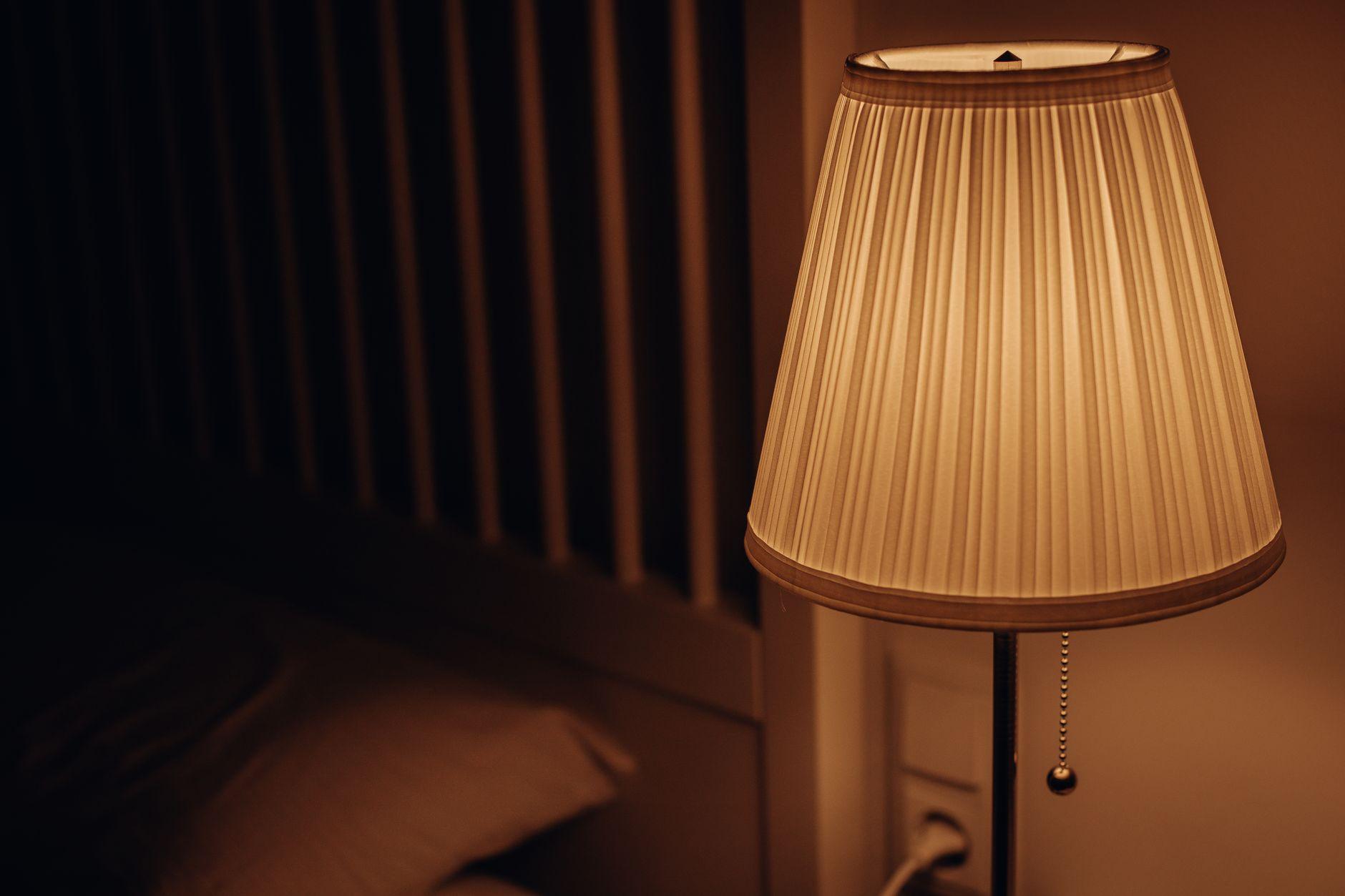
When energy is scarce, the environment around you matters more than usual. A home that quietly supports rest takes decisions off your plate on the days you have none to spare. It’s worth thinking about making your bedroom feel like a genuine place to rest, or softening a home one small shift at a time so calm becomes the default rather than something you have to manufacture. And if the idea of “fixing” everything at once feels like one more exhausting project, there’s a case for recovering without burning the house down — going gently, keeping what works.
The quiet reframe
Recovery from burnout isn’t a single heroic act. It’s a hundred small, unglamorous choices to do less, rest more, and reconnect with what mattered before you were running on fumes. Treat it like a season you’re passing through, and you give yourself the one thing burnout steals first: a little patience with yourself.