There’s a particular week every autumn when the light shifts and the day seems to end mid-afternoon. The clocks go back, the kettle goes on earlier, and the bedroom — barely glanced at during the bright months — suddenly becomes somewhere you actually spend waking time. It’s worth making it a place you’re glad to be.
The good news, as outlets from House Beautiful to The Spruce have been reporting this season, is that the changes that help most tend to be small, low-cost and entirely within reach. No renovation required.
Start with the light
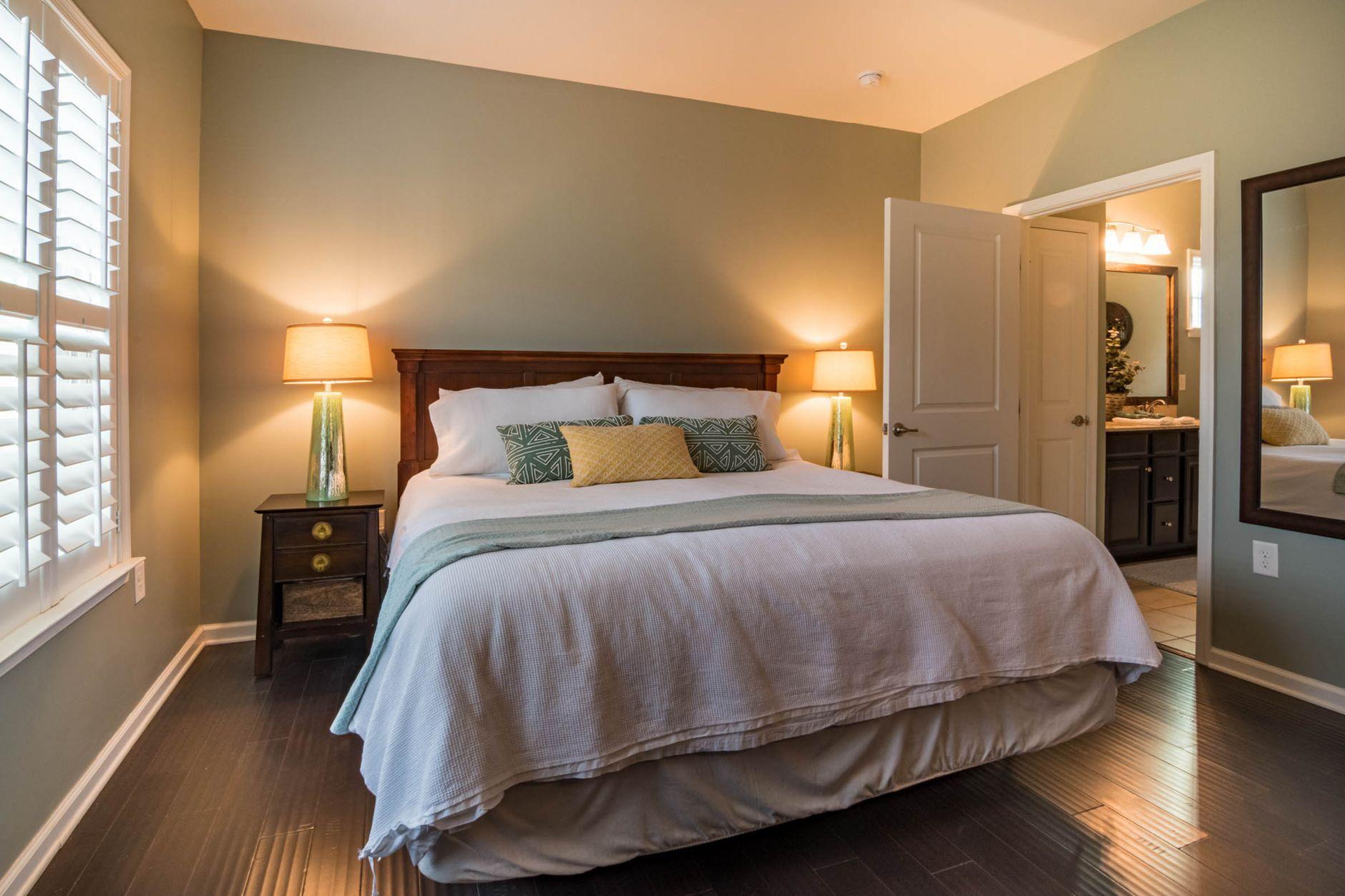
If you do one thing, soften the lighting. A single bright overhead bulb flattens a room and signals “office” to a brain that’s trying to wind down. Designers quoted across recent coverage keep returning to the same idea: layer your light instead. A lamp on each side of the bed, a warm bulb, maybe a smaller light low down — together they make a room feel held rather than exposed.
Warm-toned bulbs matter more than most people realise as the darker evenings settle in. We’ve written before about how it’s worth learning to start with the light when you want a bedroom to feel restful, and the clocks-back season is the natural moment to try it.
Lean into texture and warmth
Coziness, according to the interior designers surveyed by Livingetc, is largely a matter of texture you can feel. A heavier throw folded at the foot of the bed, a rug your feet land on in the morning, a swap to warmer bedding — these are the touches that make a room read as a refuge rather than a place you merely sleep.
Reports also note that even a modest bedding change can shift how rested you feel. One widely-shared piece highlighted an inexpensive set of crisp white bedding praised for improving sleep, a reminder that the fabric closest to your skin does real work.
Colour sets the mood
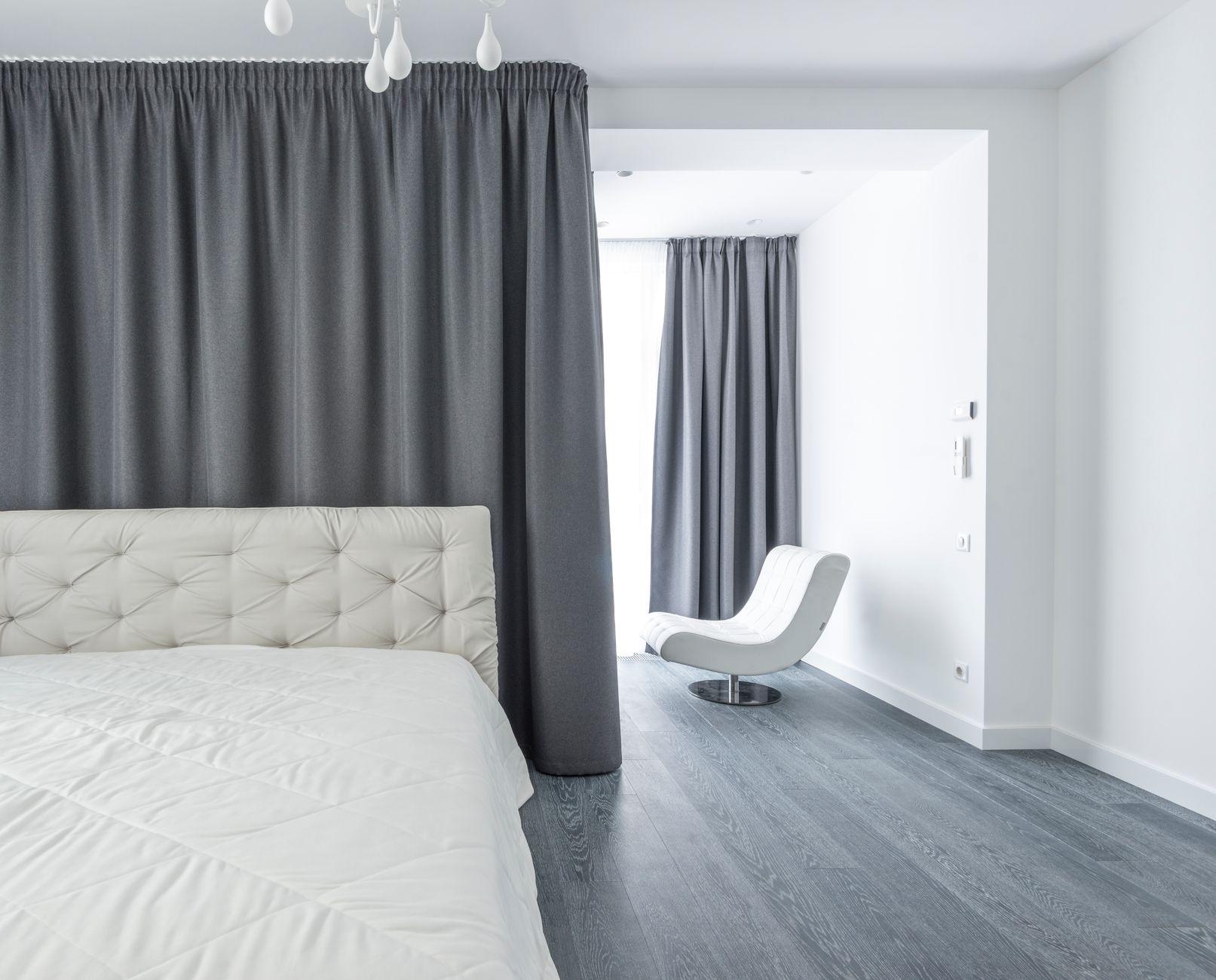
If you’re repainting, the current advice leans soft and quiet. Better Homes & Gardens and Real Simple both point to muted, enveloping shades — gentle greens, warm greys, chalky off-whites and soft blues — as the colours designers reach for when the goal is calm. In winter, as the Times Union has noted, thoughtful colour can also lift the mood when daylight is in short supply.
Clear what gets in the way
Just as important as what you add is what you take away. Recent coverage lists the usual culprits that quietly disrupt a room’s peace:
- Screens and chargers glowing on the nightstand
- Laundry piles and anything that reads as “unfinished work”
- Over-the-top “upgrades” that look busy rather than soothing
- Noise leaking in from the rest of the house
On that last point, outlets have shared simple soundproofing ideas — heavier curtains, rugs, soft furnishings that absorb sound — that make a room feel quieter and more contained without any building work.
Let it be a slow project
None of this has to happen in a weekend. Change the bulb this week, add the throw next week, clear the nightstand when you think of it. The aim isn’t a showroom; it’s a room that greets you kindly at the end of a short, dark day. If you’re carrying the mood through the whole house, it’s worth thinking about how to make a home feel calmer as the evenings draw in, and how to make the bedroom, in particular, feel like a real place to rest.
The clocks going back can feel like something done to us. Spent well, that extra hour is a small invitation to make the place you sleep a little more worth coming home to.
Photo by Curtis Adams on Pexels