There’s a particular kind of loneliness that doesn’t come from being alone. You can live on a busy street, wave at neighbors, scroll past a hundred familiar faces online, and still feel like you’re watching your own town through glass. The question underneath it isn’t “how do I meet more people?” It’s something quieter: do I actually belong here?
New data suggests the answer has less to do with luck or personality than we tend to assume — and a lot more to do with simply turning up.
The involved feel more at home
According to Gallup, Americans who are more involved in their communities report a markedly stronger sense of belonging and a greater feeling of agency — the belief that their actions matter where they live. It’s a tidy finding with a big implication: belonging isn’t only something that happens to you. It’s partly something you build by showing up.
That matters because, by other measures, a lot of people feel locked out of it. A national study highlighted by the American Immigration Council found that only about one in four Americans believe they can influence outcomes in their own local community. Read those two findings side by side and a hopeful loop appears: involvement feeds a sense of agency, and agency is exactly what so many people feel they’re missing.
Belonging as a shared practice, not a personal trait
It’s tempting to treat belonging as a fixed quality — you either have your people or you don’t. The research keeps pointing elsewhere. Writing in Psychology Today, one view frames belonging as something expansive and chosen, extending outward rather than guarded behind a velvet rope. In other words, it grows when we practice it.
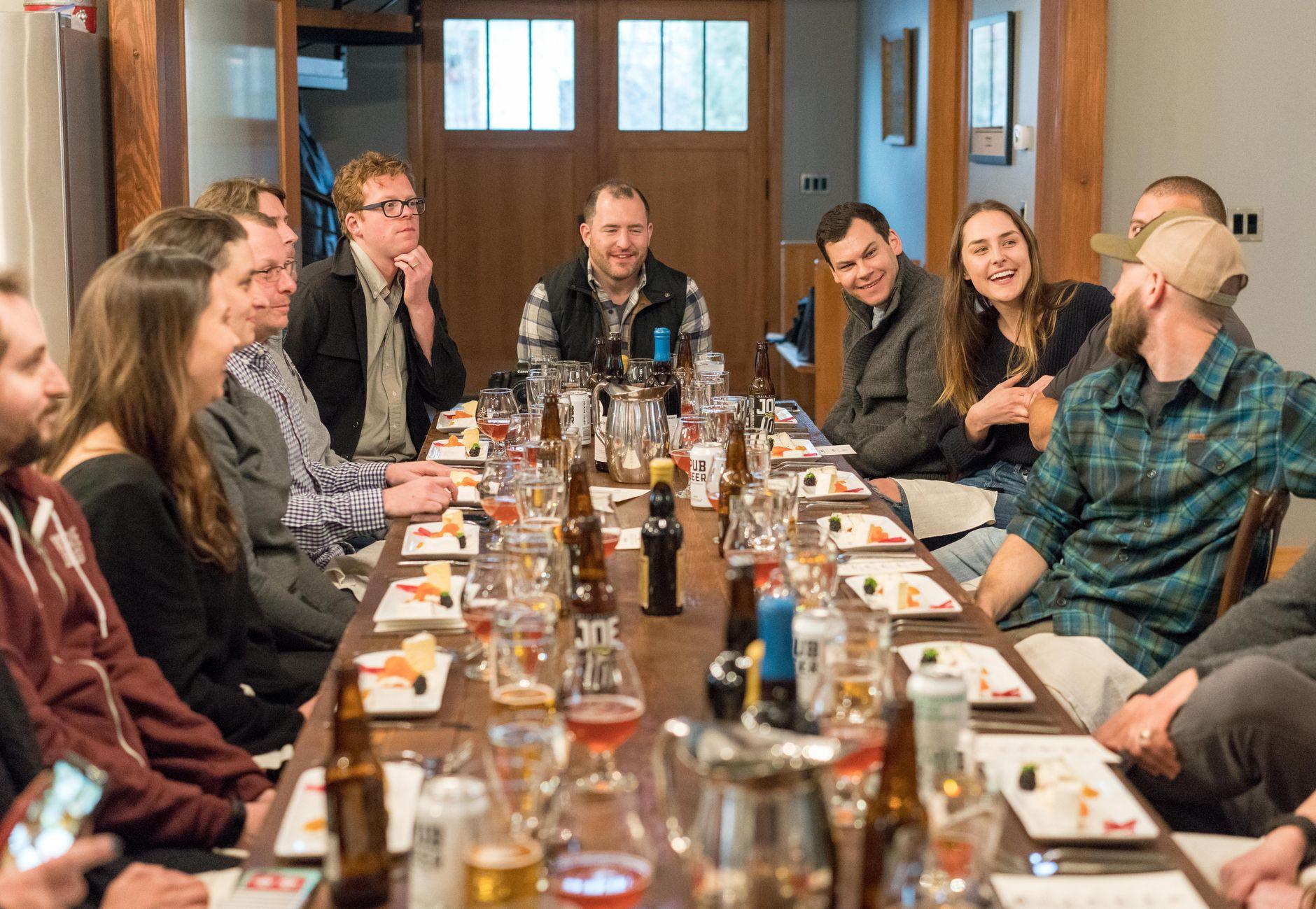
You can see that practice everywhere once you start looking. Reporting from outlets this autumn describes women’s groups in places like Peoria and Santa Rosa that turn casual online connection into real friendship, with a welcome as simple as we’re just glad you’re here. Elsewhere, evangelical congregations are drawing migrants in part because they offer an immediate sense of being known, as Religion News Service reports. Different doors, same room.
What a welcome actually looks like
The flip side of involvement is that someone has to be invited in — and newcomers rarely barge through the door uninvited. Guidance from Greater Good suggests that helping people feel they belong is less about grand gestures and more about small, deliberate signals that they’re expected and wanted.
- Name people in. A direct “come with us next time” lands harder than a vague open invitation.
- Give newcomers a role. Belonging deepens when you’re needed, not just tolerated.
- Lower the stakes. A standing, low-pressure gathering beats a one-off event you have to psych yourself up for.
- Let people arrive as themselves. The warmest groups don’t ask for a finished version of you.
This is the same quiet truth we’ve written about before — that showing up is often what makes us belong, and that what many of us are actually short on isn’t company but connection, a distinction worth sitting with if you’ve ever felt alone in a crowd. If you’re searching for a low-stakes place to start, the kind of small, regular gathering that quietly builds a sense of home tends to work better than waiting for lightning to strike.
Where this leaves the rest of us
None of this is a prescription, and the research shouldn’t be read as a promise that one meeting will fix a hard season. Feeling disconnected is common and human, and the data here speaks to broad patterns, not individual cures.
But there’s something freeing in the underlying message. If belonging were a matter of personality, some of us would simply be out of luck. Because it tracks so closely with involvement, it stays within reach. The group that would gladly have you probably already exists a few streets over — folding chairs out, kettle on, genuinely glad you came.