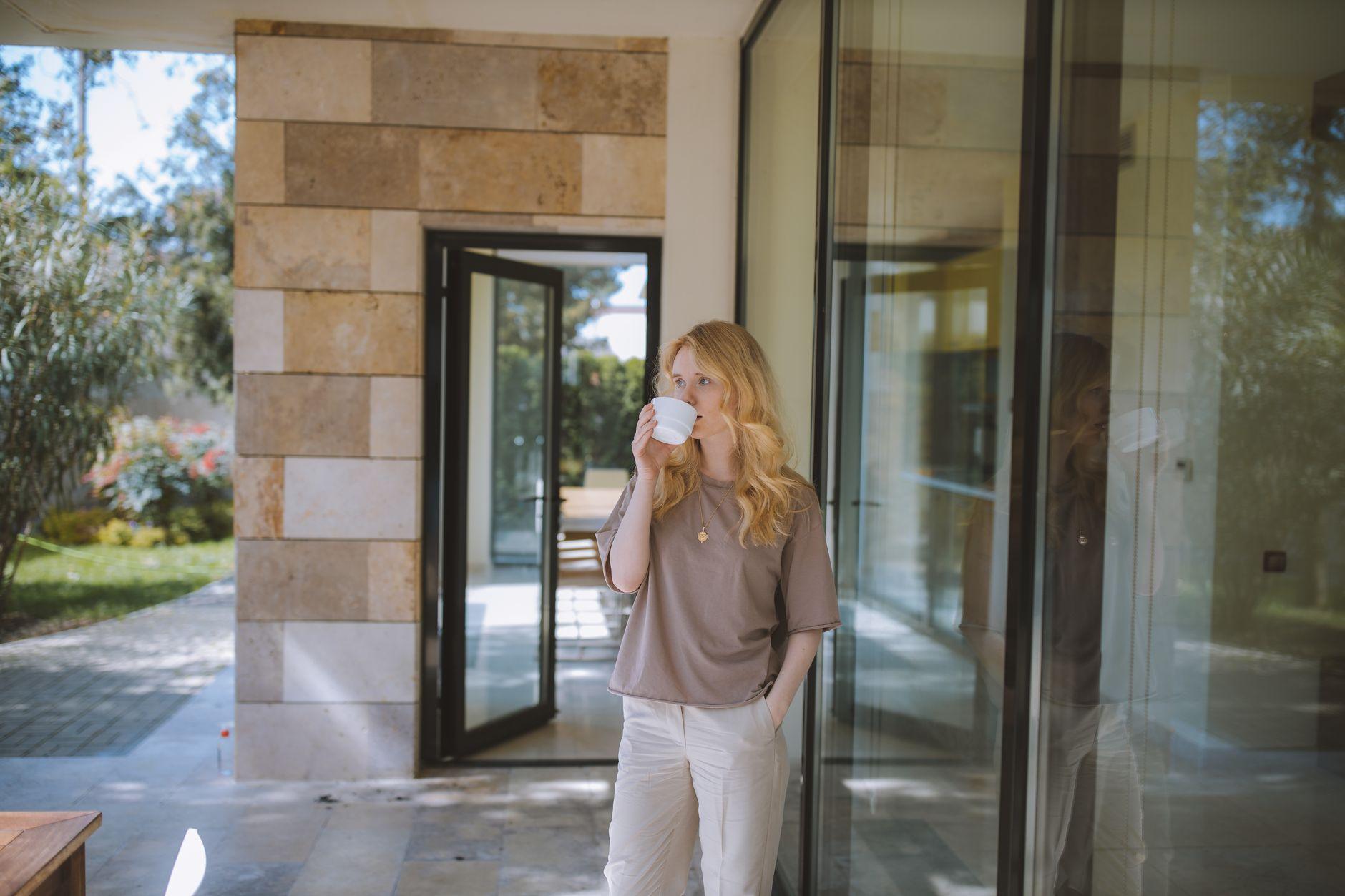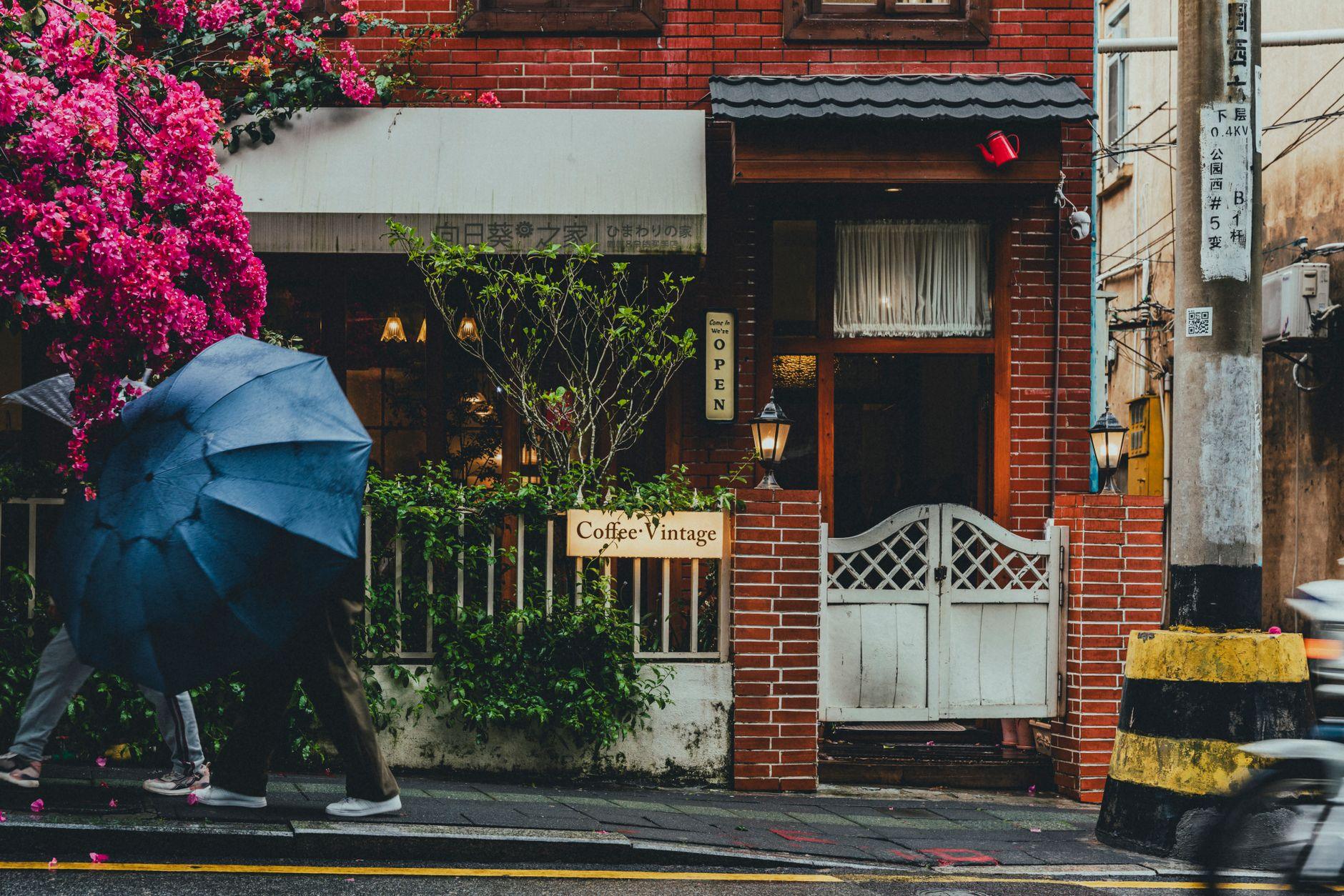
There’s a particular kind of ease that comes from a place where somebody already knows your order. You walk in, you’re greeted, you settle into a chair that isn’t yours but feels like it might as well be. That feeling has a name — the “third place” — and lately it’s everywhere. Outlets from Boston to Dallas to Washington, D.C. have all been circling the same question: where did these spaces go, and how do we get them back?
So what is a third place, exactly?
The idea is simple. Your first place is home. Your second is where you work or study. A third place is everything else — the neutral, welcoming ground where people gather without an agenda. Coffee shops, barbershops, libraries, churches, parks, the diner booth that holds the same regulars every morning.
What makes a third place work isn’t the décor or even the coffee. It’s the low stakes. You don’t have to perform, produce or host. You just have to show up. As a range of commentators have noted, it was never really about the coffee at all — the drink is the excuse, the company is the point.
Why the sudden conversation?
Part of the answer is that these spaces have quietly been disappearing, and people are starting to feel the gap. Writers have described a shrinking buffer between home and work, with the casual middle ground squeezed out by remote schedules, rising costs and the simple fact that fewer places now invite you to linger without spending.
Universities are feeling it too. Student journalists at the University of Pennsylvania have asked, pointedly, where the campus spots for casual, unplanned interaction have gone — the kind of bumping-into-someone moments that no app can schedule. Meanwhile, in Washington, D.C., reporting describes something closer to a revival, with art and organizing spaces giving people fresh reasons to gather in person.
More than a nice-to-have
The case for third places goes well beyond pleasant atmosphere. In Philadelphia, young people themselves have argued to Chalkbeat that having somewhere to go — a real, welcoming space — can ease the tensions that otherwise spill into conflict. Give teenagers a place to belong, the thinking goes, and a lot of trouble simply never finds a foothold.
City leaders are connecting the dots as well. Commentary out of Rochester, Minnesota frames third places as part of what separates a merely functional city from a genuinely great one. And in Texas, a Dallas News piece makes the blunt point that economic and population growth mean surprisingly little without the social glue that holds people together.
Finding yours
You don’t need a city council or a grant to start. Third places tend to grow out of small, repeated choices. A few to try:
- Pick one spot — a café, a library, a park bench — and go back often enough to become a regular.
- Choose places that let you stay without pressure to keep buying.
- Look for ground that’s genuinely neutral, where no one’s hosting and everyone’s welcome.
- Say yes to the small talk; the connection is the whole reason it works.
Here in Charlotte, that might be a neighborhood coffee bar, a greenway bench, or the porch of a familiar haunt. Wherever it is, the point holds: belonging rarely arrives all at once. It accumulates, one ordinary visit at a time. If you want to go deeper, we’ve written more about the everyday spots where belonging happens and how third places hold a community together.
Photo by ZhiCheng Zhang on Pexels