There’s a particular kind of loneliness that doesn’t announce itself. You’re busy, you’re fine, you have people you text — and yet the days pass without much that feels like genuine connection. A lot of us know that feeling well. And one surprisingly cheerful answer keeps surfacing in the conversation about community: play.
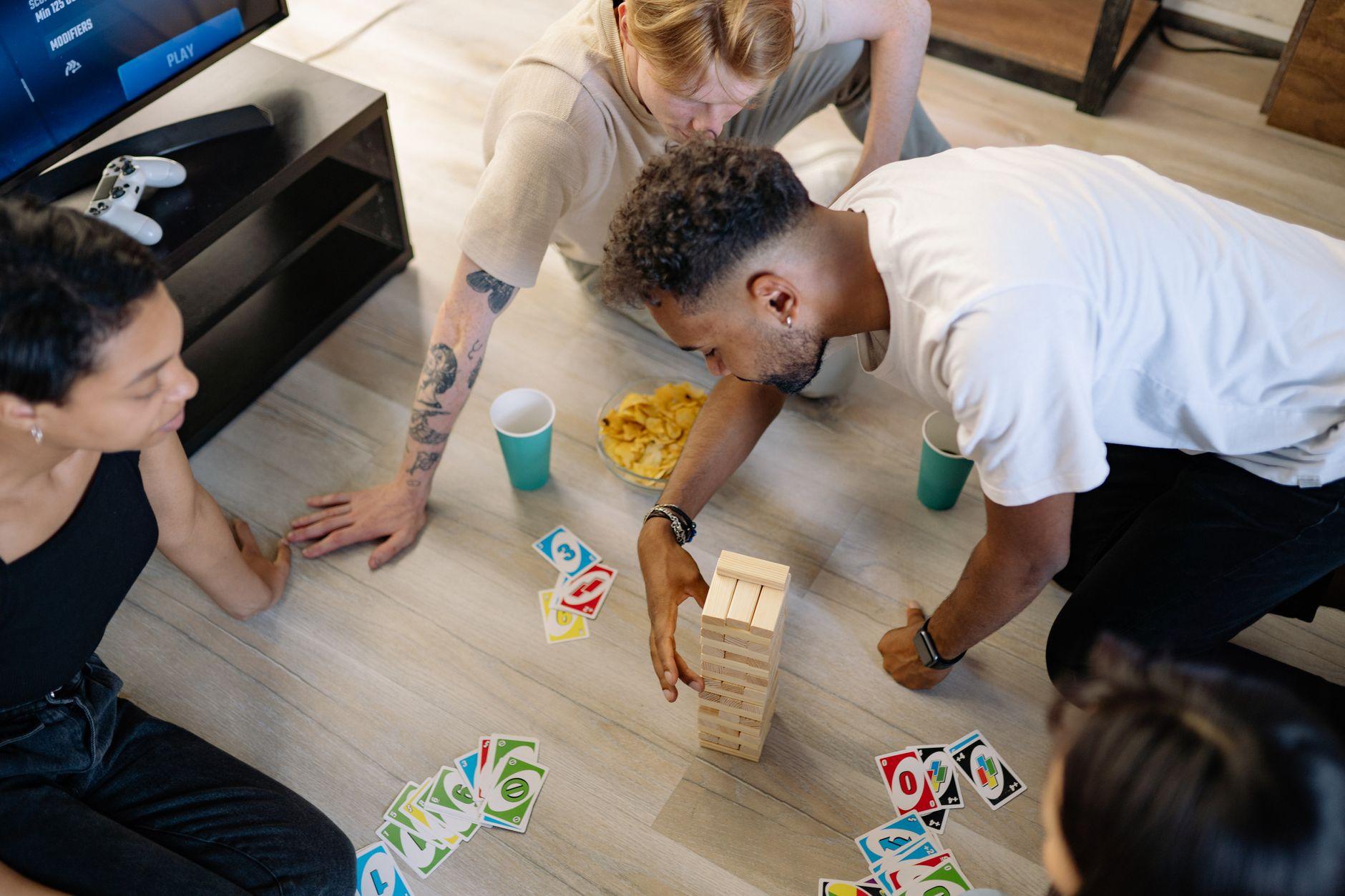
Not play as in a scheduled wellness activity, or one more thing to optimize. Play as in the loose, slightly silly, no-real-point kind — the pickup game, the trivia night, the craft table where nobody’s keeping score. According to Goodnet, when adults give themselves permission to play, they tend to build community almost as a side effect.
Why play works where effort sometimes fails
The appeal is that play lowers the stakes. Walking into a room and trying to “make friends” as an adult can feel exposing, even a little embarrassing. But walking into a room to throw a ball, solve a clue, or learn a dance step gives everyone something else to look at. Connection sneaks in sideways while you’re busy doing the thing.
That pattern shows up beyond casual observation. Research published in Frontiers in Sports and Active Living frames social interaction as the real bridge between sport and a wider sense of community cohesion — it isn’t the game itself that bonds people so much as everything that happens around it. The shared language, the in-jokes, the standing around afterward.
Fandom seems to work the same way. A study in Nature explored how something as ordinary as following football can shape a shared group identity across whole populations of fans. You don’t have to be on the field to feel part of something; you just have to be in it together.
The quiet crisis this is answering
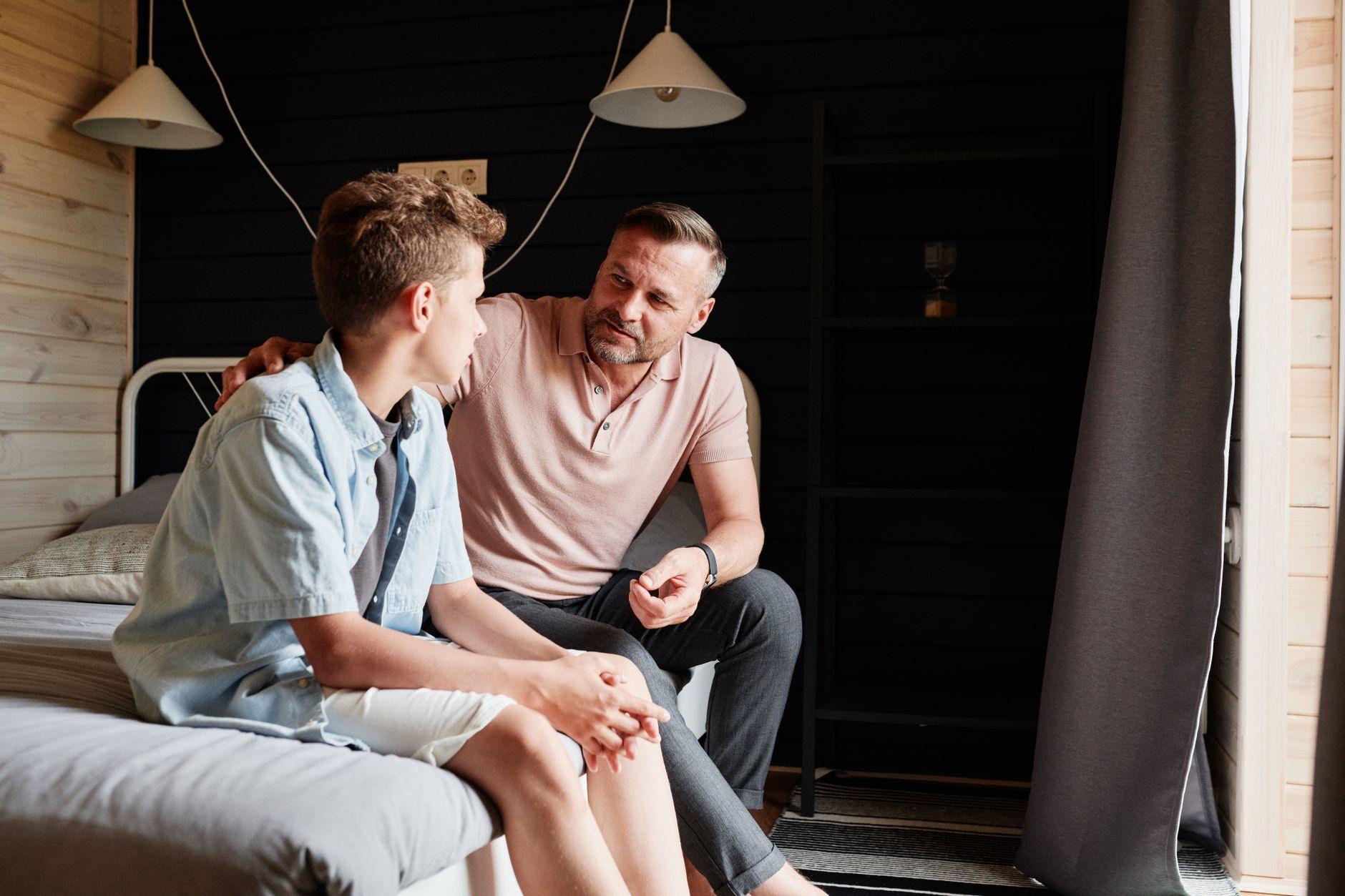
This matters more than it might sound, because the backdrop is a real strain on belonging — particularly among younger people. As one commentary in The House put it, young people are facing a crisis of belonging that can’t simply be treated away. The argument there is worth sitting with: loneliness and disconnection aren’t individual problems to be medicated out of existence. They’re social conditions that need social answers — rooms to walk into, people to show up for, reasons to come back.
That’s the deeper reason play is so compelling. It’s low-cost, low-barrier, and almost infinitely repeatable. You don’t need a diagnosis or a program. You need a regular time, a loose activity, and a handful of people willing to look slightly daft together.
What play actually looks like for adults
The forms are endless, and the point is less the activity than the regularity and the lack of pressure. A few that tend to work:
- Low-skill sport — a casual kickabout, rec-league anything, a walking group that chats more than it walks.
- Games with strangers — pub trivia, board-game cafés, open chess tables where nobody minds a beginner.
- Making things — craft nights, community choirs, a potluck where the cooking is the excuse.
- Shared fandom — a watch party, a book-swap, a club built around something you’d happily talk about for hours.
What links them is a kind of gentle, repeated showing-up. That’s also why the venues matter so much — the cafés, halls and courts that let people gather without having to buy a reason to be there. We’ve written before about third places and the everyday spots that hold a community together, and about why belonging, not just company, is what we’re really missing.
None of this is a cure for anything, and it shouldn’t be dressed up as one. But it’s a reminder worth keeping close: the route back to feeling part of something is often less serious than we imagine. Sometimes you just have to let yourself play.
Photo by Yan Krukau on Pexels