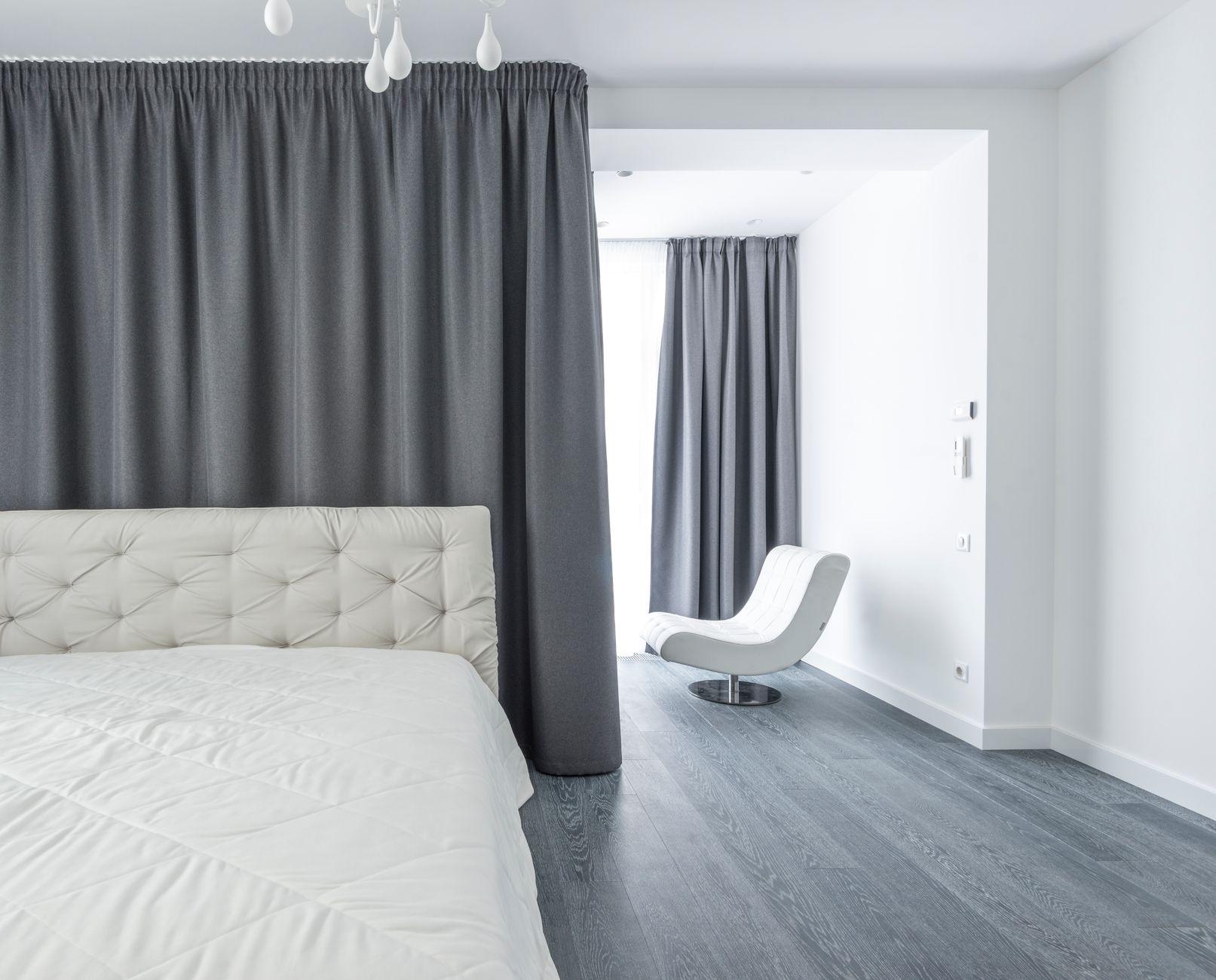
There’s a particular kind of tired that no amount of sleep seems to fix — and sometimes the fix isn’t a longer night but a kinder room. A wave of recent design coverage, from Real Simple to House Beautiful, keeps circling the same quiet truth: the bedroom you wake up in shapes how rested you feel. And the good news, as outlets have reported, is that the changes that matter most are small, affordable, and well within reach of a single weekend.
Start with what you take out
Before you buy anything, designers interviewed by The Spruce suggest looking at what you can remove. Clutter reads as unfinished business to a tired brain, and a nightstand buried under cables and half-read books rarely invites calm. The same outlet has also flagged certain “upgrades” — overly busy styling, decor that tries too hard — as things that can quietly make a room feel more frantic rather than less.
A restful bedroom often has less in it than you’d expect. Clear surfaces, a tidy floor, and a place for the things you actually use before sleep tend to do more for the mood than any single decorative object. If you want a gentle on-ramp, our guide to small shifts that turn a bedroom into a real rest space is built around exactly these low-effort changes.
Let the light do the heavy lifting
If there’s one lever worth pulling first, it’s lighting. Harsh overhead bulbs keep a room feeling like daytime long after you want it to wind down. Warmer, lower, layered light — a bedside lamp, a dimmer, a soft glow rather than a spotlight — signals to the body that the day is closing. It’s the cheapest change on this list and often the most noticeable. If you’d like to go deeper on that single idea, we’ve written about starting with the light to make a bedroom feel restful.
Color that calms rather than competes
Several outlets this season have leaned into color psychology, with Better Homes & Gardens, Livingetc and others pointing toward soft, muted palettes — gentle blues, greens, warm neutrals and earthy tones — as the shades most people find soothing at the end of the day. The Times Union has also made the case for thoughtful color as a way to lift mood through the darker winter months.
You don’t need to repaint everything. A single wall, a change of bedding, or swapping loud patterns for quieter ones can shift the whole feeling of a room. Reports around actor Viola Davis’ “meditative” sleep space, as Woman & Home described it, suggest much of that calm comes from restraint and tonal simplicity rather than anything expensive.
Warmth, texture and the small comforts
Comfort is physical as much as visual. Good Housekeeping has rounded up ways to keep a bedroom warm at night without reaching for the thermostat — layered bedding, curtains, and small draught fixes among them. Crisp, simple bedding gets a mention too; Homes and Gardens recently pointed to an affordable white Martha Stewart set as a budget-friendly way to make a bed feel more inviting.
- Layer your bedding so you can adjust warmth through the night.
- Soften the textures you touch first — sheets, a throw, a rug underfoot.
- Keep the phone out of reach so the room reads as rest, not scrolling.
Build it slowly
None of this needs to happen at once. Clear one surface, change one bulb, swap one loud thing for something quieter — and let the room teach you what it needs next. If the calm starts spreading beyond the bedroom, our piece on making your whole home feel calmer picks up the thread. The aim isn’t a magazine-perfect space. It’s a room that, when you walk in at night, lets your shoulders drop.
Photo by Max Vakhtbovych on Pexels