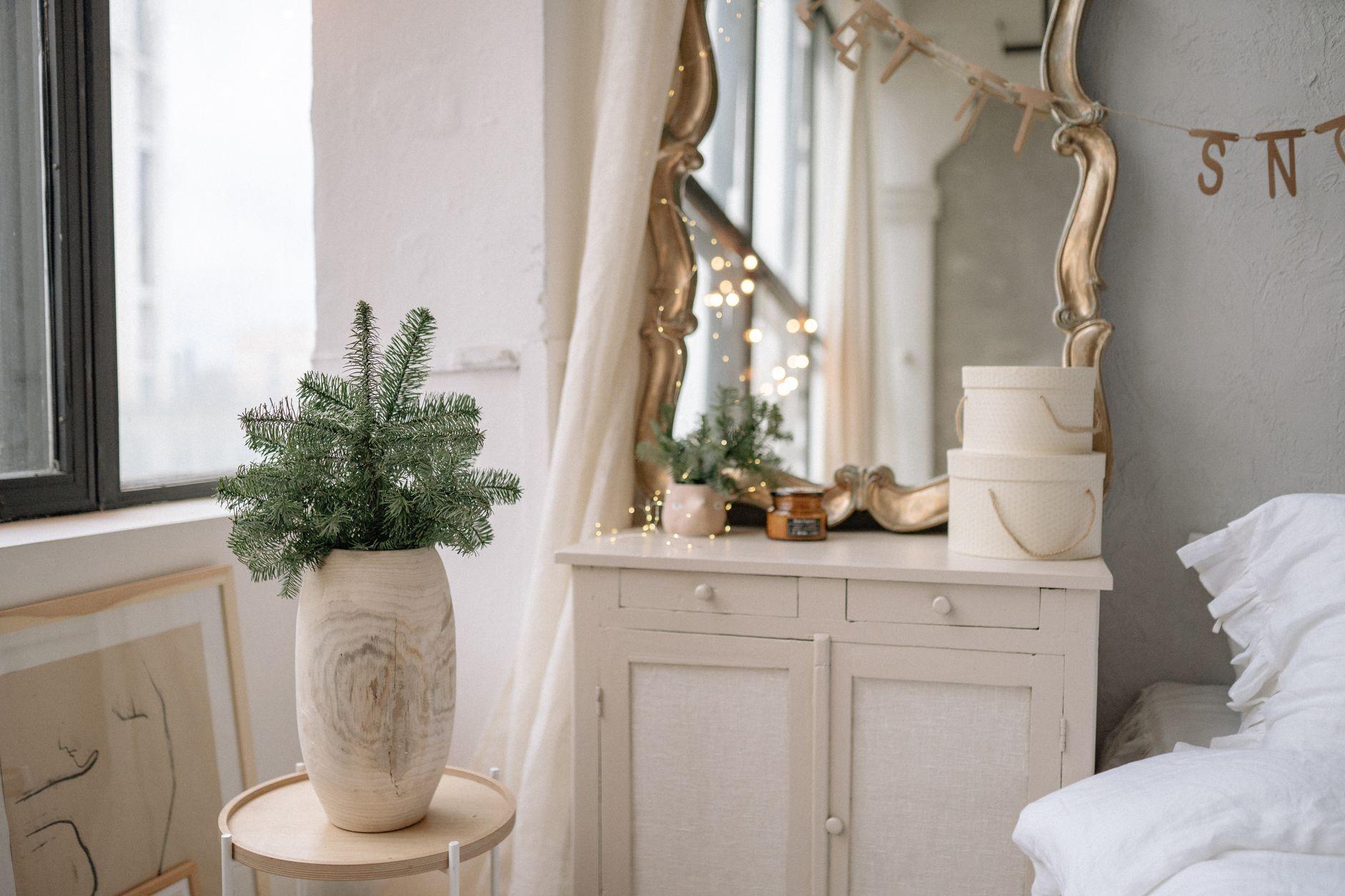
There’s a particular kind of tired that follows you into a room that never quite feels like rest. The bed is there, the pillows are fluffed, and yet the space hums with low-level busyness — a stack of half-read books, a cold draft at the window, a wall color that feels more like a waiting room than a retreat. The good news, as a wave of recent design coverage suggests, is that the fixes tend to be small, affordable, and very doable on a weekend.
Across outlets this season, interior designers keep circling back to the same handful of ideas. None of them require knocking down walls. Most are about subtraction — taking away the things that quietly keep you wired — and gentle addition, the warmth and softness that signal to your body that the day is over.
Start with color, because the walls set the mood
If one theme dominates the recent advice, it’s paint. Real Simple rounded up the most soothing shades for a calmer bedroom, and the picks lean exactly where you’d expect: soft, muted, low-contrast tones that don’t shout for attention. Homes & Gardens echoed the thinking for guest rooms, where the goal is to make anyone who walks in exhale a little.
You don’t need a full repaint to test the idea. A single accent wall, or even swapping bright white bedding for something softer, shifts the whole temperature of a room. The point isn’t a specific trendy hue — it’s choosing a tone that lets your eyes settle rather than snap to attention.
Clear out what’s quietly keeping you alert
Just as important as what you add is what you take away. Design writers have been pointing to the “upgrades” that backfire — the pieces that look like improvements but actually make a room feel busier. As The Spruce reported, some popular additions can leave a space feeling less relaxing, not more.
A few things worth a second look:
- Harsh overhead lighting with no softer option to switch to at night
- Visible clutter on nightstands and dressers that keeps the eye moving
- Screens and chargers glowing within arm’s reach of the pillow
- Too many competing patterns or colors fighting for attention
If this is where you want to begin, our guide to making your bedroom feel like a place to rest walks through the same instinct, one drawer at a time.
Warmth and softness do the quiet work
Physical comfort matters as much as visual calm. With cooler nights settling in, Good Housekeeping shared ways to keep a bedroom warm overnight without reaching for the thermostat — layered bedding, heavier curtains, and the kind of small adjustments that trap warmth where you want it. A room that’s gently warm and free of drafts is one the body reads as safe to switch off in.
Texture plays its part too. Interior designers quoted by Ideal Home noted that the most relaxing bedrooms tend to share a short list of features — soft layers, a sense of order, and lighting you can dial down. None of it is expensive. Most of it is about intention.
One small shift at a time
It’s tempting to treat a restful bedroom as a project — something to tackle in one exhausting overhaul. But the thread running through all this coverage is gentler: pick one thing. Soften the light. Clear the nightstand. Add a warmer blanket. Let the room tell you what it needs next.
That slower approach tends to stick, and it’s the same philosophy behind making a whole home feel calmer, one small shift at a time. Rest isn’t a single purchase. It’s the accumulation of small kindnesses to the space you close your eyes in every night.
Photo by Yan Krukau on Pexels