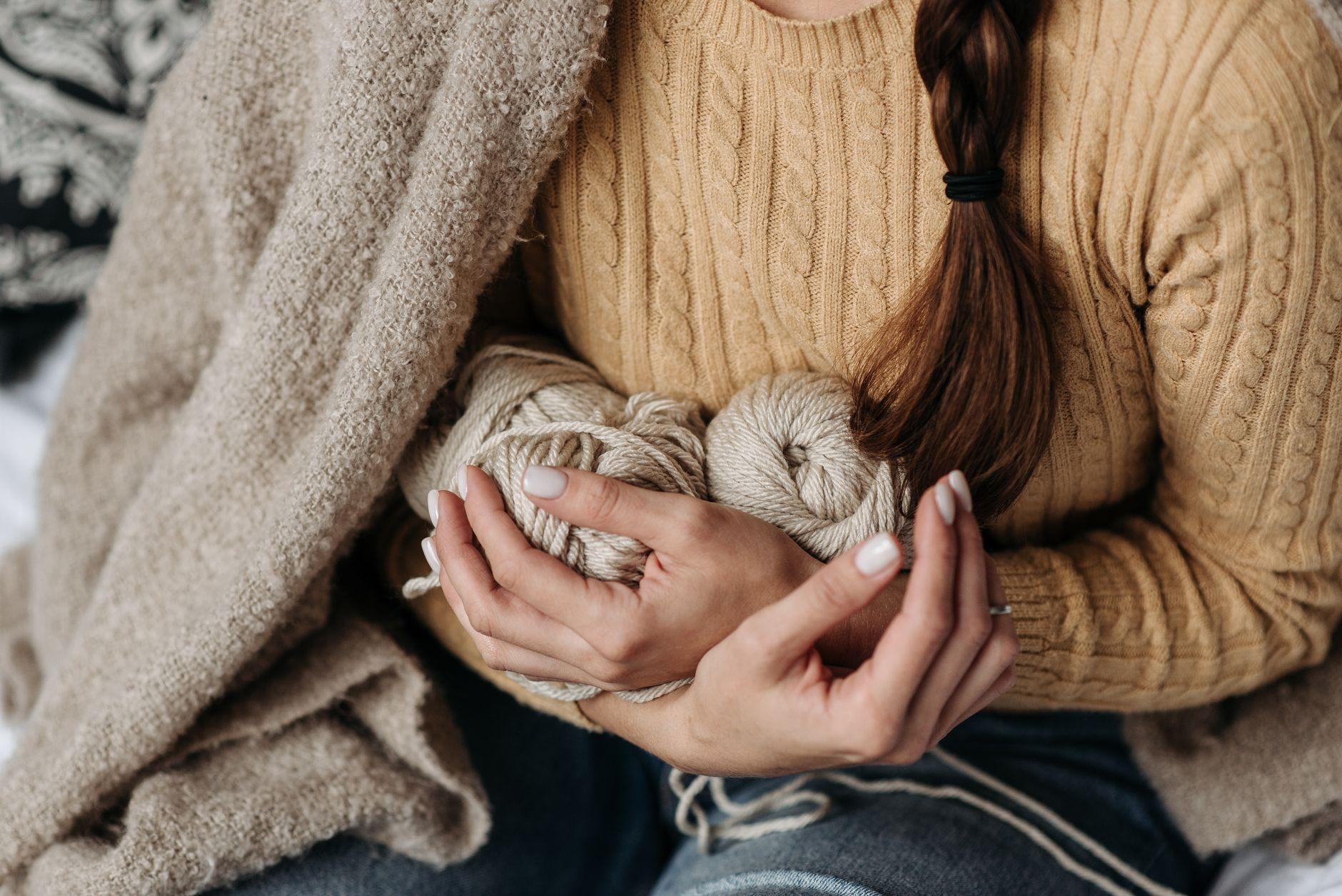
There’s a particular kind of contentment that comes from finishing something with your own two hands — a scarf, a loaf, a pot of herbs on the windowsill. It’s unhurried, a little humble, and according to a growing stack of reporting, surprisingly good for how we feel. The hobbies our grandparents swore by are having a quiet moment, and the research offers a gentle nudge to join in.
What the studies seem to be saying
Several outlets have landed on the same cheering idea: people who give a few hours a week to a hobby tend to report being happier. As Good Housekeeping summarised, roughly two hours a week spent on something you enjoy appears to track with better mood — a modest commitment with an outsized return.
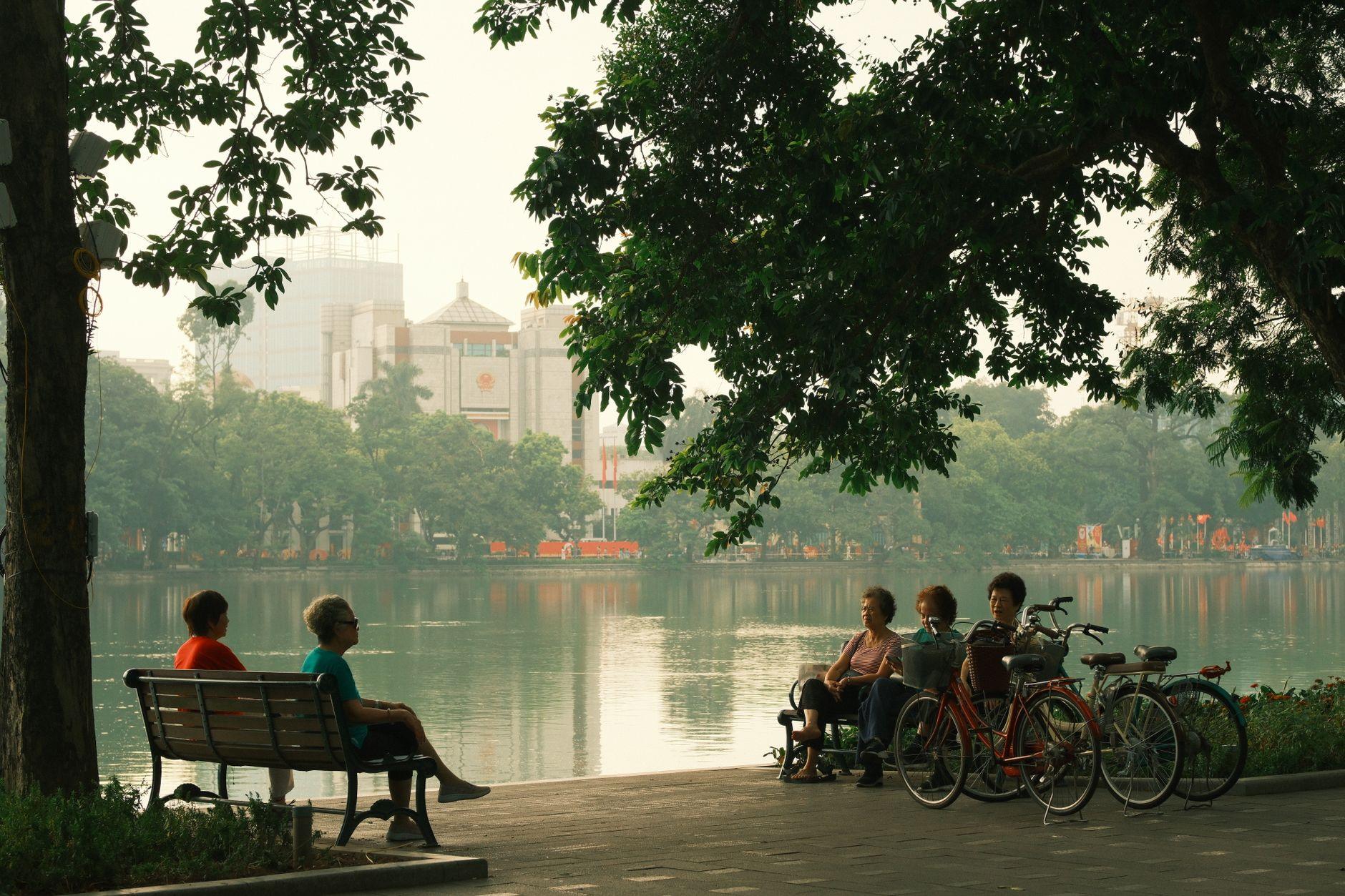
That finding sits alongside broader work on creativity and later life. A large look at hobby engagement among people aged 65 and older, reported across sixteen countries, has been widely cited as evidence that keeping a hobby is linked with better mental wellbeing as we age. It’s worth saying plainly: these are associations, not promises, and a hobby is a companion to well-being rather than a cure for anything. But the pattern is consistent enough to take seriously.
Why making something helps
The appeal of so-called “grandma hobbies” — knitting, crochet, gardening, baking, puzzling — is partly that they ask for just enough attention to quiet the mental chatter. As Verywell Mind has explored, these cosy, repetitive activities can nudge us toward calm and ease the edge off anxious feelings. Martha Stewart has made a similar case for knitting in particular, framing it as one of the better pastimes for aging well and for the mind.
There’s something tactile at the heart of it. We’ve written before about why making something with your hands makes you feel better — the small satisfaction of a finished object, the rhythm of a repeated motion, the sense that you nudged the world a fraction more pleasant than you found it.
The gap between knowing and doing
Here’s the catch. Knowing creativity is good for us doesn’t always translate into actually making time for it. Reporting out of Australia has pointed to exactly this gap — that people understand the benefits yet still let the hours slip away. The University of Arizona Health Sciences has likewise highlighted how the creative arts can support mental health in ordinary, everyday ways — no studio or special talent required.
And it isn’t only older adults who benefit. Coverage has stretched the idea in both directions, with some outlets noting that these slower, analog hobbies may be good for teenagers’ mental health too — a welcome counterweight to a screen-heavy day.
How to begin, gently
The nice thing about a hobby is that there’s no entry exam. A few low-pressure starting points:
- Pick something tactile. Yarn, soil, dough, paper — materials you can feel tend to pull you into the present.
- Aim small. If two hours a week feels daunting, start with ten or fifteen minutes. The point is the doing, not the output.
- Drop the pressure to be good. A wonky first scarf still counts. Progress is part of the pleasure.
- Stack it onto life. Keep the knitting by the sofa, the sketchbook by the kettle — whatever makes it easy to reach for.
If even that feels like a stretch this week, start smaller still with a few of these ten-minute habits that quietly lower daily stress. A hobby doesn’t have to be grand to do you good. It just has to be yours.
Photo by Pavel Danilyuk on Pexels