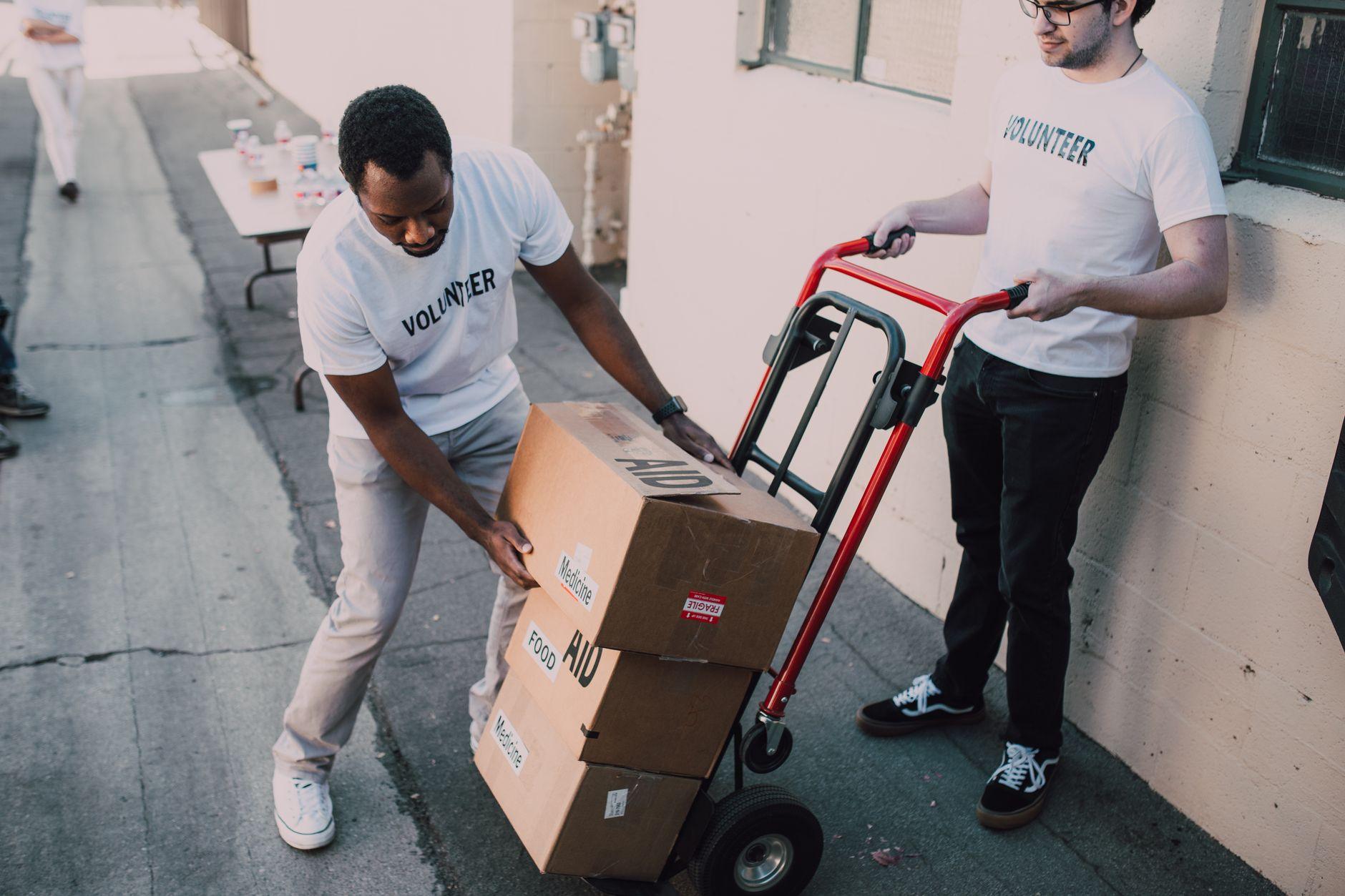
There’s a certain kind of good tiredness that comes from an afternoon spent doing something for someone else. You come home a little lighter, a little more connected to the world than when you left. It isn’t magic, and it isn’t medicine — but a growing stack of reporting suggests that the simple act of volunteering quietly gives something back to the person doing the giving.
Across outlets this season, the message has been remarkably consistent: lending your time to a cause tends to be good for the volunteer, not just the people on the receiving end.
Why showing up seems to matter
The throughline in much of the coverage is connection. Volunteering drops you into a room full of people pointed at the same goal, and that shared purpose is where a lot of the benefit appears to live. As reporting on community-building frames it, pitching in tends to strengthen the bonds between neighbors and build the kind of connections that don’t form on their own.
That sense of belonging isn’t a small thing. For anyone whose week can feel like a loop of screens and solo errands, a standing commitment to show up somewhere — a food bank, a shelter, a trail crew — can be a reliable anchor. Several outlets, including a Detroit news segment, have reported that the act of helping others appears to come with health upsides for the helper as well.
Kindness as a habit, not a grand gesture
One of the more reassuring threads is that you don’t have to overhaul your life to feel it. According to NPR’s reporting, kindness practiced as a regular habit — rather than a one-off burst — is where benefits for the heart and mind seem to accumulate. The framing matters: this is less about dramatic generosity and more about small, repeatable acts that become part of how you move through the week.
That’s a comforting idea for anyone who assumes volunteering means a huge, open-ended commitment. A couple of hours, done consistently, is its own kind of practice.
A gift that ages well
The benefits appear to stretch across life stages, too. Coverage from Florida Today has pointed to volunteering as a meaningful part of healthy aging — a way to stay purposeful, social and engaged in later years when routines and relationships can otherwise narrow. For older adults especially, a regular reason to leave the house and be needed somewhere can carry real weight.
Reporting from refugee-support and veteran-service organizations echoes the same themes from a different angle: purpose, connection and a sense of healing through service. The settings vary wildly, but the human payoff keeps rhyming.
Finding your way in
If the idea appeals but the first step feels fuzzy, a few gentle starting points:
- Pick something you already care about. A cause close to your heart is one you’ll actually keep showing up for.
- Start small. One recurring shift beats a heroic plan you abandon by February.
- Treat the people as the point. The connections you make are a big part of what gives back to you.
None of this is a prescription, and it’s worth saying plainly: the reporting here is about habits, environment and connection, not treatment. But as we’ve explored before in the quiet health perks of showing up for others and the quiet way volunteering gives back to you, the throughline is simple and sturdy. You go to help. You come home having been helped, too. That’s a fair trade in anyone’s book.
Photo by RDNE Stock project on Pexels