There’s a particular moment in autumn when you notice it’s dark before dinner, and the house suddenly feels like it matters more. We’re spending longer indoors, and the rooms we move through start to shape the mood we carry. The good news is that making a home feel calmer rarely means spending money or knocking down walls. Much of it comes down to noticing what’s already there and shifting it, gently, in your favour.
Start with the light
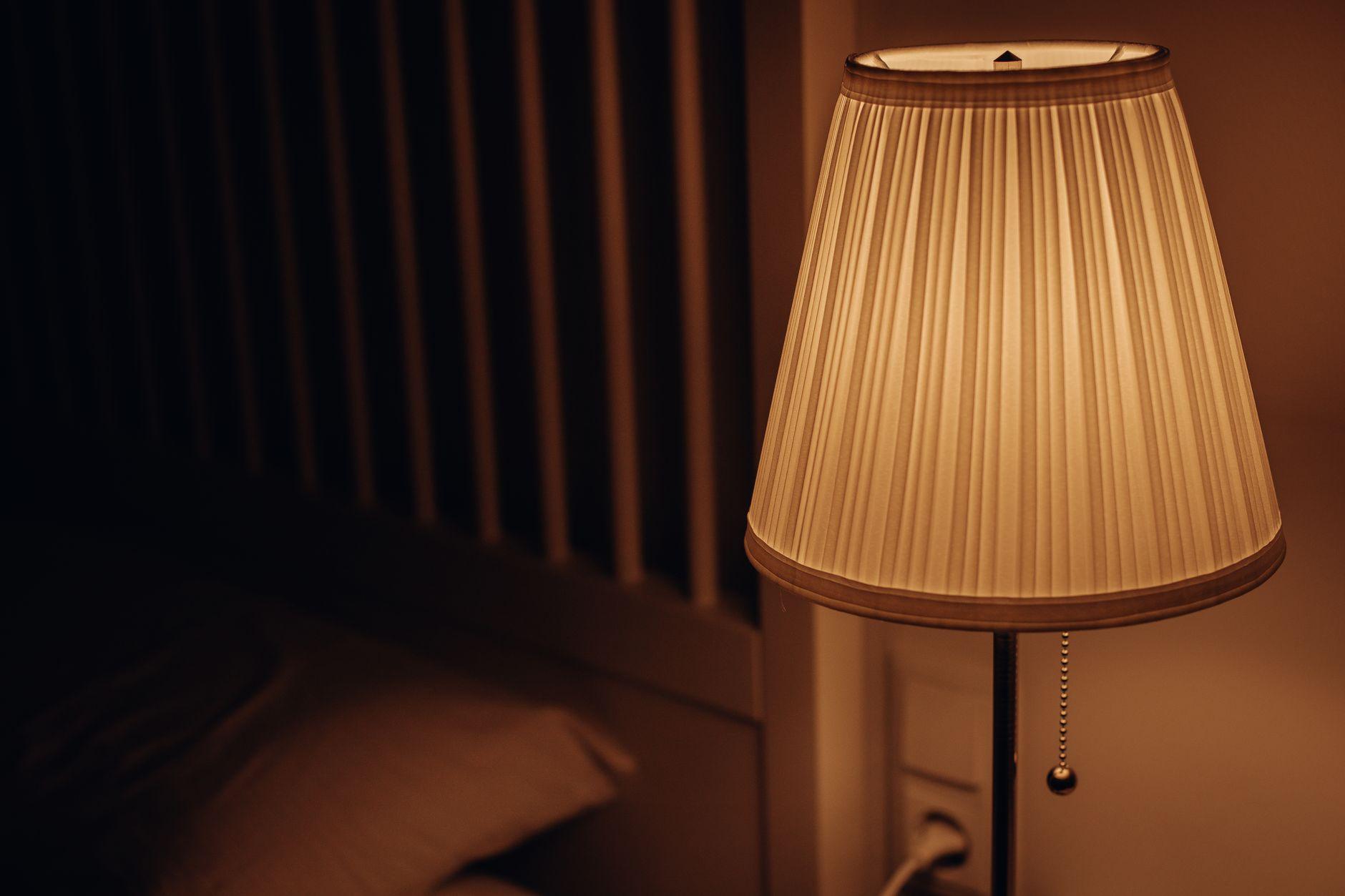
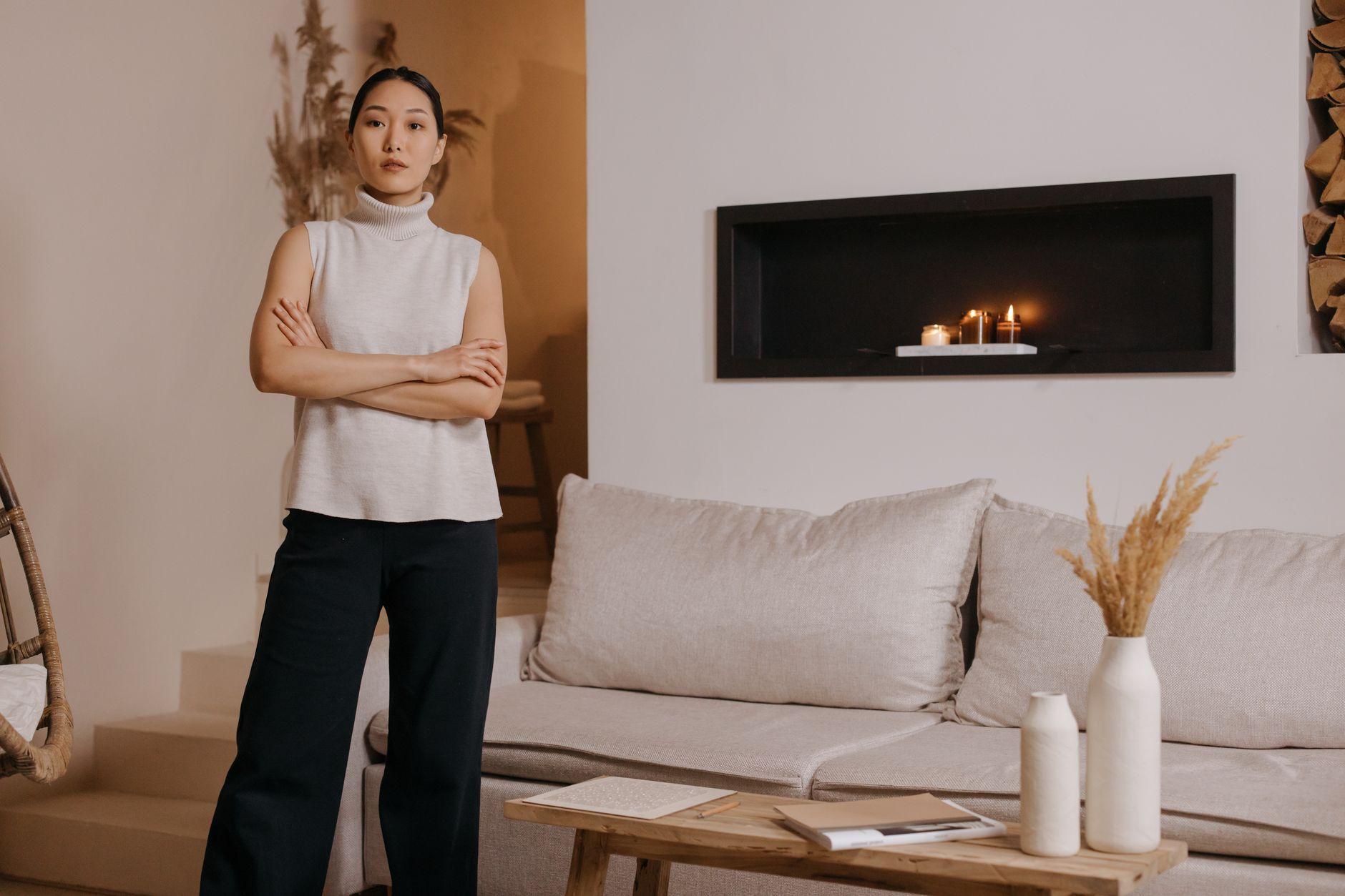
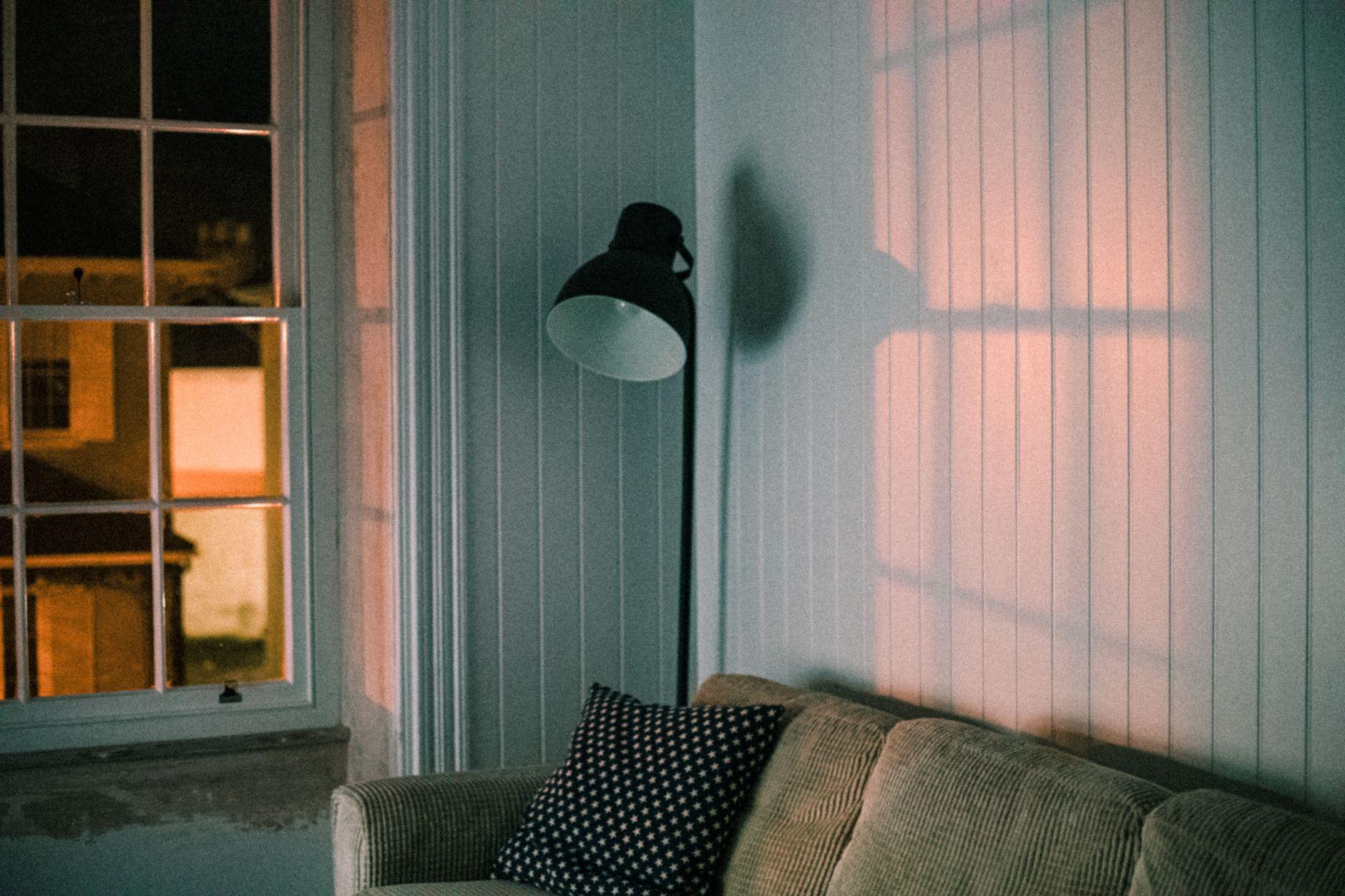
One bright overhead bulb flattens a room and leaves it feeling more like a waiting area than a retreat. As the darker evenings draw in, outlets like House Beautiful suggest leaning into softer, lower pools of light — a lamp in a corner, a candle on the table — to make a space feel cosier and more welcoming. The idea isn’t to live in the gloom. It’s to let the light do what evening light is supposed to do: signal that the day is winding down.
Calm is often about what you take away
Before you add anything, it’s worth looking at what’s already crowding the surfaces. Clutter has a quiet way of keeping the nervous system on alert, and the everyday pile-up zones — the kitchen counter, the chair that collects clothes, the hallway table — tend to be the first things the eye snags on. Reporting from Real Simple highlights therapist-approved ways to make a home feel calmer without buying anything new, which is a useful reminder that the most effective moves are usually subtraction, not purchase.
A simple question helps: does this thing earn its place here? If an object isn’t useful or genuinely loved, it’s mostly just visual noise. Clearing even one surface can change how a whole room feels to walk into.
Let the room breathe
Cramped and calm rarely go together. Designers told The Spruce that certain decorating habits can actually make a space feel tighter than it is — pushing every piece of furniture against the walls, over-filling shelves, or crowding a room with too many small items. Giving your furniture a little space to stand, and your eye somewhere to rest, does more for the atmosphere than any single statement piece.
Small shifts, repeated
A calmer home tends to be built from a handful of modest, consistent choices rather than one dramatic overhaul. Guidance gathered by Southern Living and Livingetc points in a similar direction — softer palettes, natural materials and a sense of intention over abundance. A few things worth trying this week:
- Swap one overhead light for a lamp in the room you use most in the evenings.
- Clear a single surface and keep it clear — let it be the spot your eye lands and relaxes.
- Bring in something living or natural — a plant, a bowl of fruit, a length of fabric in a muted tone.
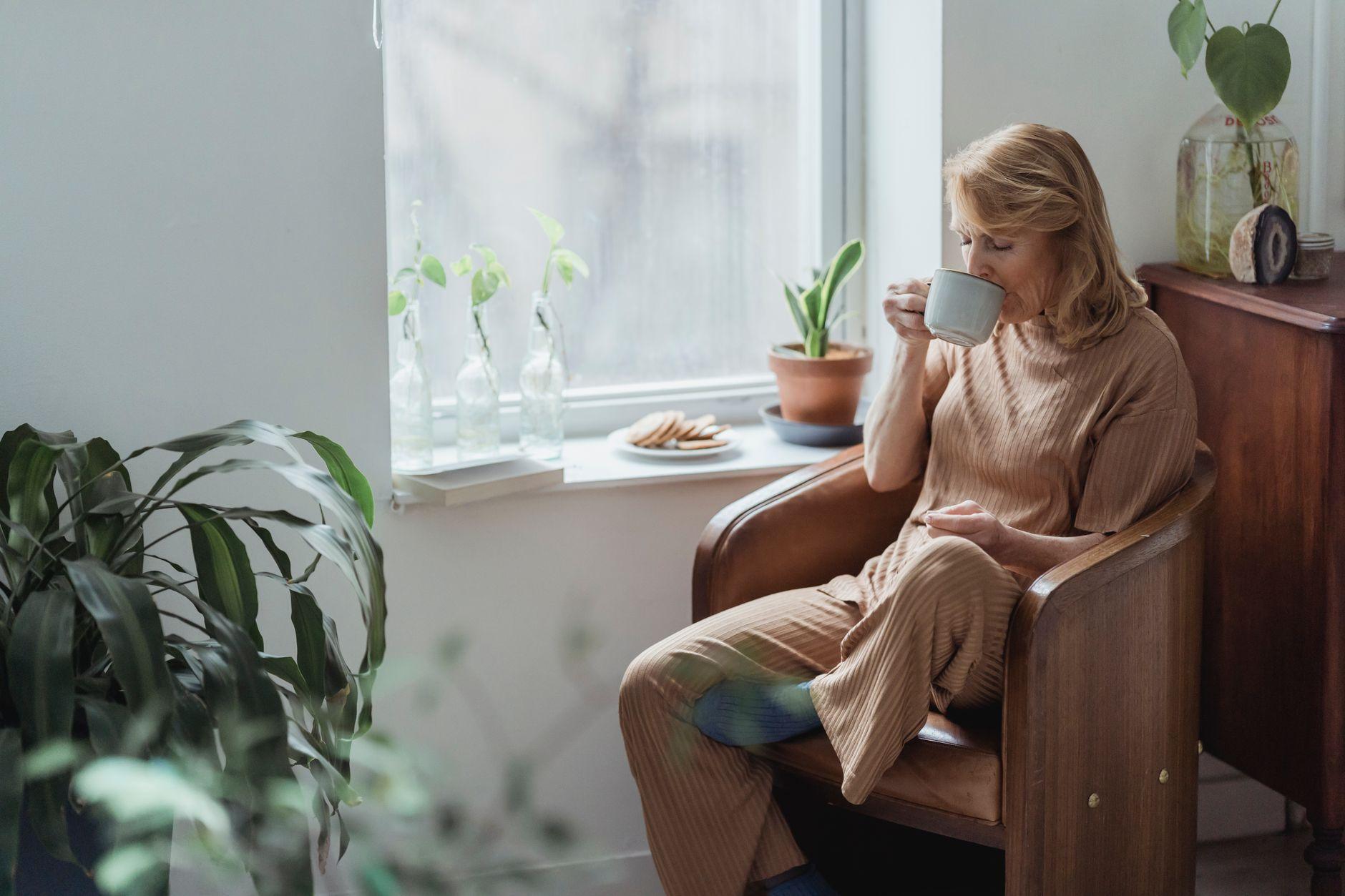
- Create one soft landing: a chair with a throw, a corner that invites you to actually sit.
The room that matters most
If you only tackle one space, make it the one where you sleep. The bedroom sets the tone for how rested you feel the next day, and it responds especially well to the calmer-home approach — fewer things, lower light, softer textures. We’ve written more on making your bedroom feel like a place to rest, and on how a calmer home often comes together one small shift at a time.
None of this is about chasing a magazine-perfect interior. It’s about making the place you come home to feel a little kinder as the nights get longer — and letting the small changes add up.
Photo by Lucian Petrean on Pexels