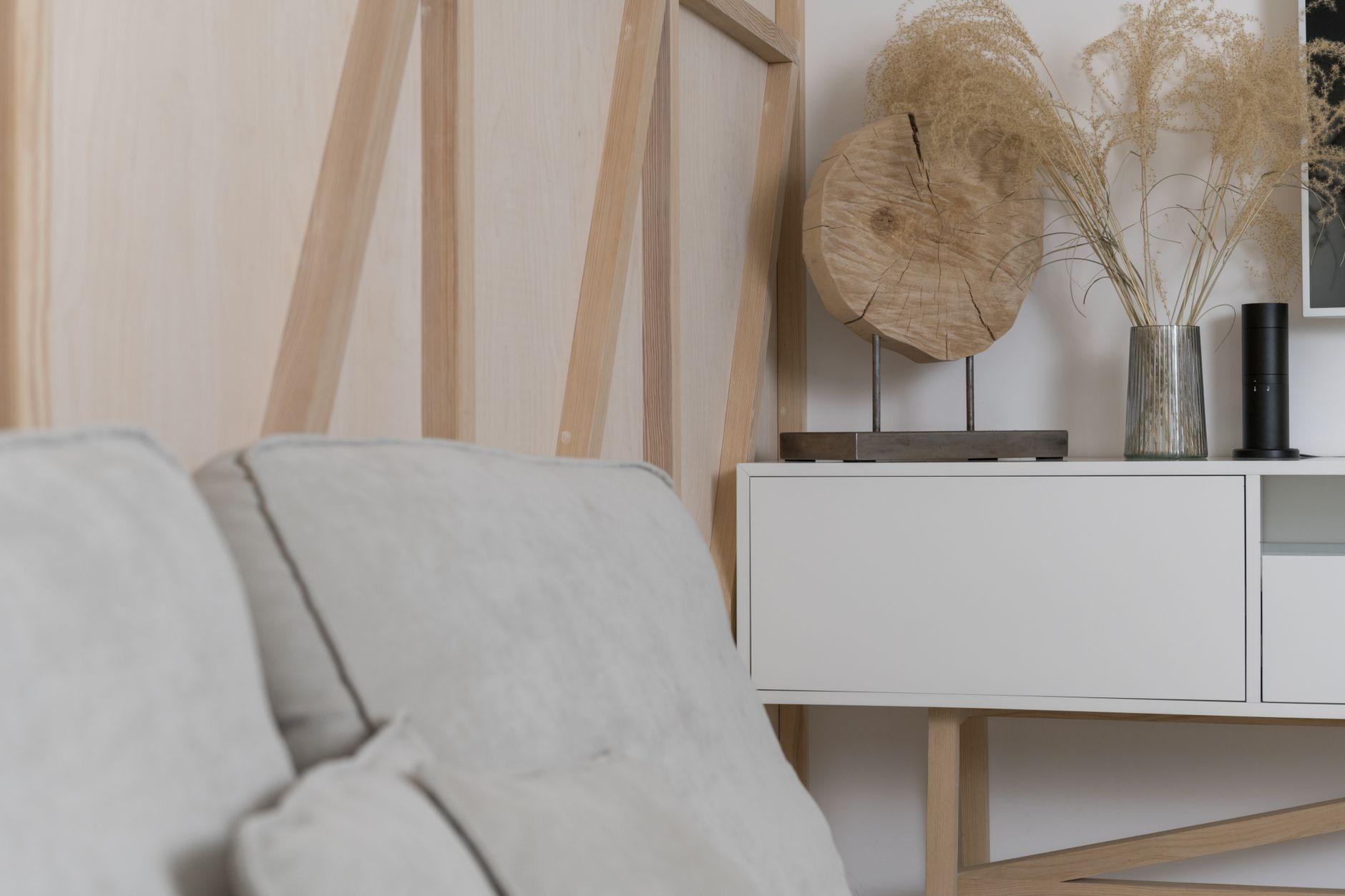
There’s a particular feeling you get walking into certain homes. Shoulders drop. Breathing slows. Nothing’s been staged for a magazine — the room simply lets you be. And the good news, tucked inside a wave of recent design and well-being coverage, is that this feeling has very little to do with money.
Across outlets from House Beautiful to Real Simple, the same quiet message keeps surfacing: a calmer home is usually built by subtraction, not spending. It’s about editing what’s already there, paying attention to light, and giving your eyes somewhere to rest.
Start by taking things away
The most consistent advice is also the least glamorous. Writers at House Beautiful describe clearing out just a handful of items and feeling the difference almost immediately, a point echoed in their reflection on getting rid of five things. It isn’t about becoming a strict minimalist overnight. It’s about noticing the low hum of visual noise most of us stop seeing — the overloaded surfaces, the tangle of cables, the pile by the door that’s been there so long it’s become furniture.
Real Simple frames the decision with a single useful question to ask before anything leaves or stays, which cuts through the agony of decluttering. If a small shift feels more your pace, our own guide on making a home feel calmer one change at a time leans the same gentle way: you don’t have to do it all in a weekend.
What calm homes tend to leave out
Several pieces zero in on the living room as the place where clutter quietly accumulates. According to reporting on how people with deeply calming homes edit a space, and on the items minimalists keep out of the living room, a few culprits come up again and again:
- Surfaces crowded with decorative odds and ends that no longer mean anything
- Too many competing colours and patterns fighting for attention
- Visible cords, chargers and tech sprawl
- Furniture that’s more than the room can comfortably hold
- Anything kept purely out of guilt or habit
The thread running through all of it is restraint. Southern Living’s roundup of design choices that make a home feel calmer points toward softer palettes and considered simplicity rather than dramatic overhauls — changes you feel more than you notice.
Free fixes a therapist might suggest
Not all of this is the designer’s domain. Real Simple’s therapist-approved, cost-free ideas nudge toward the behavioural side of calm: opening the curtains to let daylight do its work, resetting one room before bed, keeping a surface clear simply because clear surfaces feel like rest. These are habits, not purchases — and that’s precisely why they stick.
Light, in particular, keeps coming up. Interior designers quoted across these pieces treat it as the fastest lever to pull, and it’s a theme worth leaning into as the days shorten. Our piece on starting with the light to make a bedroom feel restful sits comfortably alongside that thinking.
Calm as a feeling, not a formula
There’s also a cross-cultural note in the coverage. Livingetc highlights habits from Japanese households described as simple and “undramatic” — small, repeatable acts of tidiness and intention rather than grand gestures. It’s a reassuring reframe. Calm isn’t a look you buy; it’s a rhythm you keep.
Writing for CNA Luxury, commentators on how good design shapes well-being make a similar case — that thoughtful spaces quietly support how we feel day to day. Whether you edit five things or simply open a window, the direction is the same. A calmer home tends to be a lighter one, in every sense of the word.
Photo by Max Vakhtbovych on Pexels