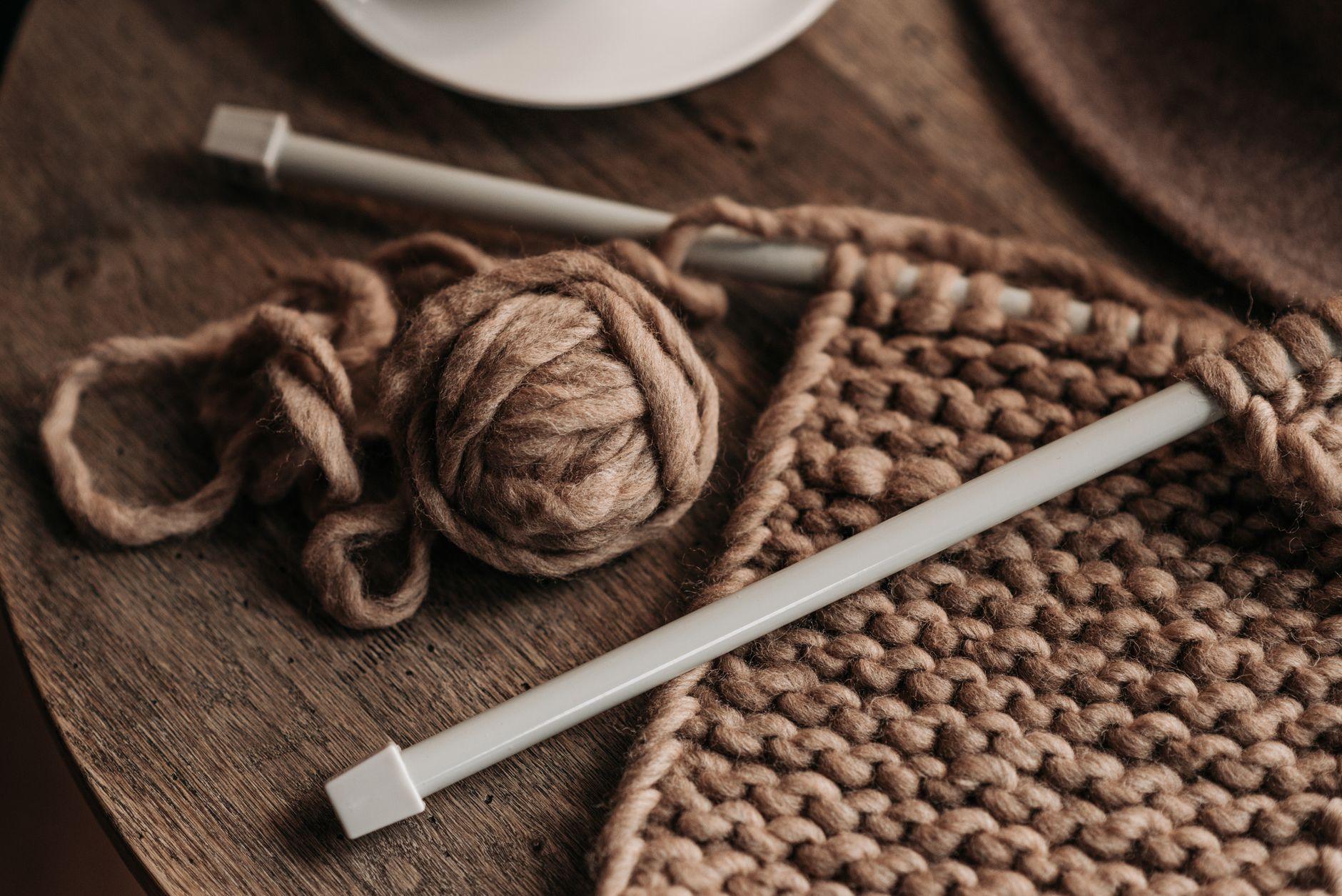
There’s a particular kind of contentment that settles in when you lose yourself in making something. A row of stitches. A sourdough loaf rising on the counter. A watercolour that didn’t turn out quite how you pictured, but that’s yours all the same. It turns out that feeling isn’t just pleasant — it’s good for you, and a growing stack of reporting is putting real weight behind the idea.
What the research keeps finding
The headlines have been piling up, and they point in the same hopeful direction. According to a new APA poll covered across outlets, people who take part in creative activities at least once a week tend to report better mental health than those who don’t. It’s a simple finding, but a sturdy one, echoed by researchers who study how the arts weave into everyday life.
The University of Arizona Health Sciences has written about how creative arts support mental health in ordinary, un-glamorous ways — not as therapy exactly, but as a regular ingredient of a steadier day. And a study highlighted by Good Housekeeping suggested that people who spend roughly two hours a week on a hobby tend to be happier for it.
Why making things works
Part of the magic seems to be about attention. When your hands are busy and your mind has one gentle task to follow, the usual mental chatter has somewhere to go. Psychologists speaking to Real Simple have described how certain hobbies naturally nudge mood and motivation upward — the small, satisfying hit of finishing a thing you set out to do.
It’s no accident that the so-called “grandma hobbies” keep coming back into fashion. Verywell Mind has rounded up comforting pastimes — the knitting, the baking, the puzzles — that help reduce anxiety and bring a bit of calm. There’s a reassuring rhythm to them, and the bar to entry is wonderfully low. We’ve written before about the quiet joy of a hobby and why making things lifts us up, and the theme holds: the point isn’t to be good at it. The point is to do it.
It doesn’t stay in one corner of your life
Here’s a happy surprise. The benefits don’t stop at the craft table. Research reported by Phys.org suggests that hobbies can spill over into working life too, feeding the kind of creativity people draw on at their jobs. The curiosity you build sketching on a Sunday has a way of showing up elsewhere.
Other coverage, including from Health News Hub, has noted that plenty of pastimes carry benefits people don’t expect — social connection, a sense of purpose, a reason to look forward to an evening. And the reach is wide: research published in Nature looked at hobby engagement and well-being among people aged 65 and older across 16 countries, a reminder that there’s no age limit on the payoff.
Where to begin, gently
If you fancy giving it a go, keep it small and kind to yourself:
- Pick something that already tugs at you — a craft you did as a child, or a skill you’ve quietly envied in others.
- Aim low on time. Twenty minutes counts. The two-hours-a-week figure is a horizon, not a hurdle.
- Let it be imperfect. The wonky mug still holds tea.
- Pair it with a reset. A hobby sits nicely alongside other small habits, like little ways to ease daily stress.
None of this is a cure for anything, and nobody’s promising it is. But as a thread of warmth to stitch through an ordinary week, a creative hobby earns its place — one satisfying little row at a time.
Photo by Pavel Danilyuk on Pexels