There’s a particular kind of tired that no amount of sleep seems to fix — the kind that starts the moment you walk into a bedroom that feels more like a storage unit than a soft place to land. If that sounds familiar, you’re in good company. A wave of recent design coverage has circled back to the same reassuring idea: a restful bedroom isn’t about spending more, it’s about subtracting the things that keep your nervous system on alert.
The good news is that most of what experts suggest is small, cheap, and doable on an ordinary weekend. No renovation required.
Start with the light
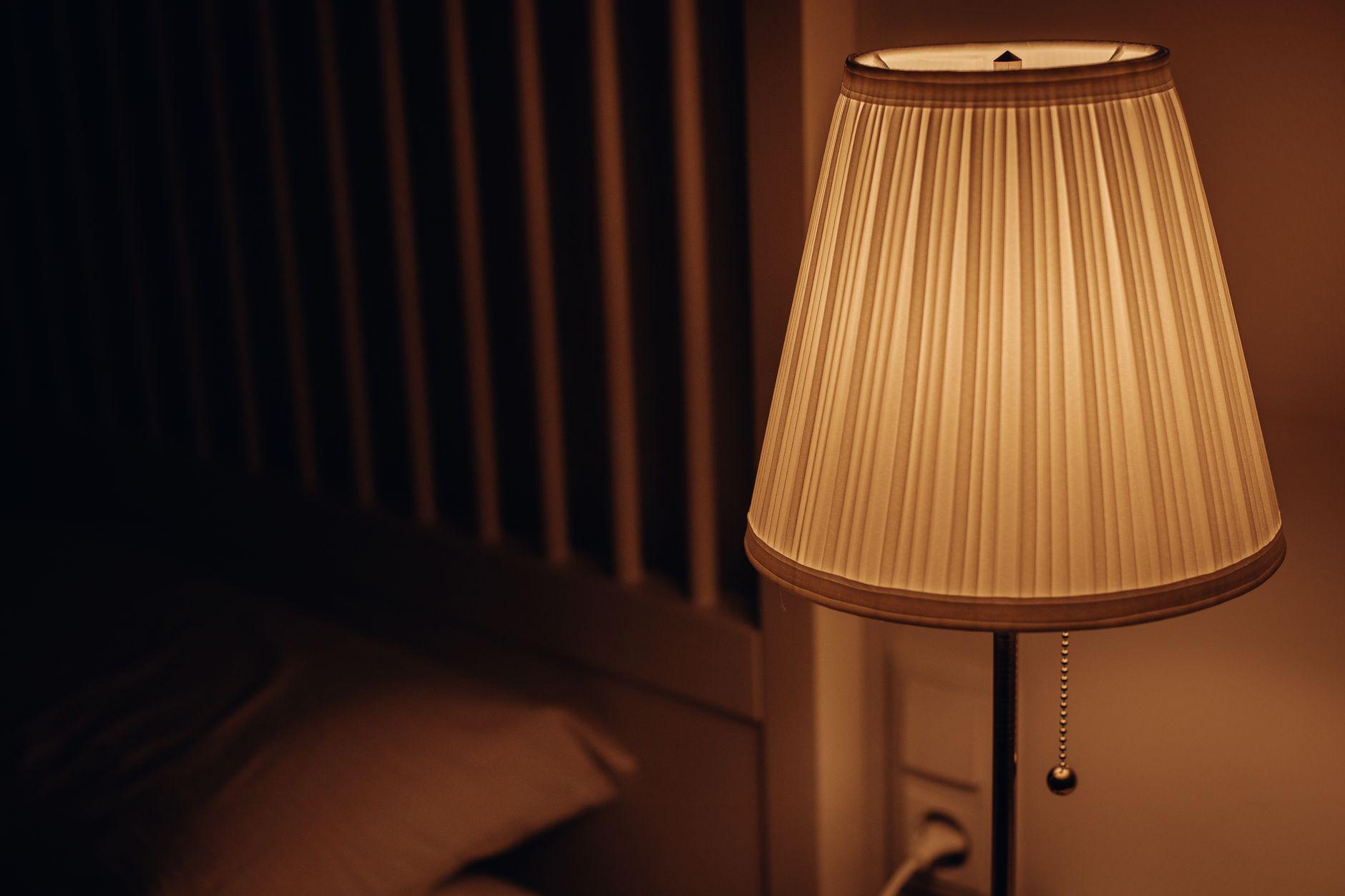
If you only change one thing, make it the lighting. According to Better Homes & Gardens, the first fix experts reach for when a bedroom doesn’t feel restful is the quality of light in the room. Harsh overhead fixtures flatten a space and keep your brain in daytime mode. Swapping them for lamps, warmer bulbs, and a couple of pools of low light in the evening signals to your body that the day is winding down.
It’s a cue as old as firelight. Soft, warm, low — that’s the direction you’re aiming for once the sun goes down.
Quiet the color
The second recurring theme is color, and the consensus leans gentle. Designers quoted by Real Simple favor soothing, muted paint shades for bedrooms — the sorts of soft greens, warm whites, and dusky blues that recede rather than demand attention. Over in the UK, Ideal Home makes a similar case for deeper, enveloping tones when you want a room to feel cosy and cocooning.
There’s no single “correct” color here — it depends on whether you want your room to feel airy and calm or snug and enveloping. The thread that runs through all the advice is restraint: pick a quiet palette and let it do the quiet work.
Clear what you can
Clutter is the enemy of calm, and it’s the easiest thing to tackle without buying a single item. As The Spruce notes, small changes — tidied surfaces, considered textures, fewer competing objects — add up to a space that feels markedly more relaxing. A nightstand with room to breathe reads very differently from one buried under chargers, half-read books, and yesterday’s water glass.
If you’re not sure where to begin, our guide on making your home feel calmer, starting today is a gentle place to start, and there’s more on the specifics in how to make your bedroom feel like a real place to rest.
A few easy wins
- Trade one bright bulb for a warmer, dimmer one by the bed.
- Clear the nightstand down to the essentials — a lamp, maybe a book.
- Test a calmer paint color on a patch of wall before committing.
- Find a home for the charger so the phone isn’t the last thing you see.
- Layer soft textures — a throw, a cushion — where your eye lands first.
Why the small stuff matters
According to House Beautiful, design-led tweaks like these are being framed by experts as a genuine route to better rest, not just better looks. That’s the quietly encouraging part. You don’t have to choose between a room that photographs well and one that helps you switch off — the same gentle choices tend to serve both.
None of this promises to solve sleep on its own; rest is shaped by a hundred things beyond four walls. But the bedroom is one of the few environments you can actually control. Dim the light, soften the color, clear a surface, and you’ve given yourself a room that’s on your side when it’s time to let the day go.
Photo by Juan Pablo Serrano on Pexels