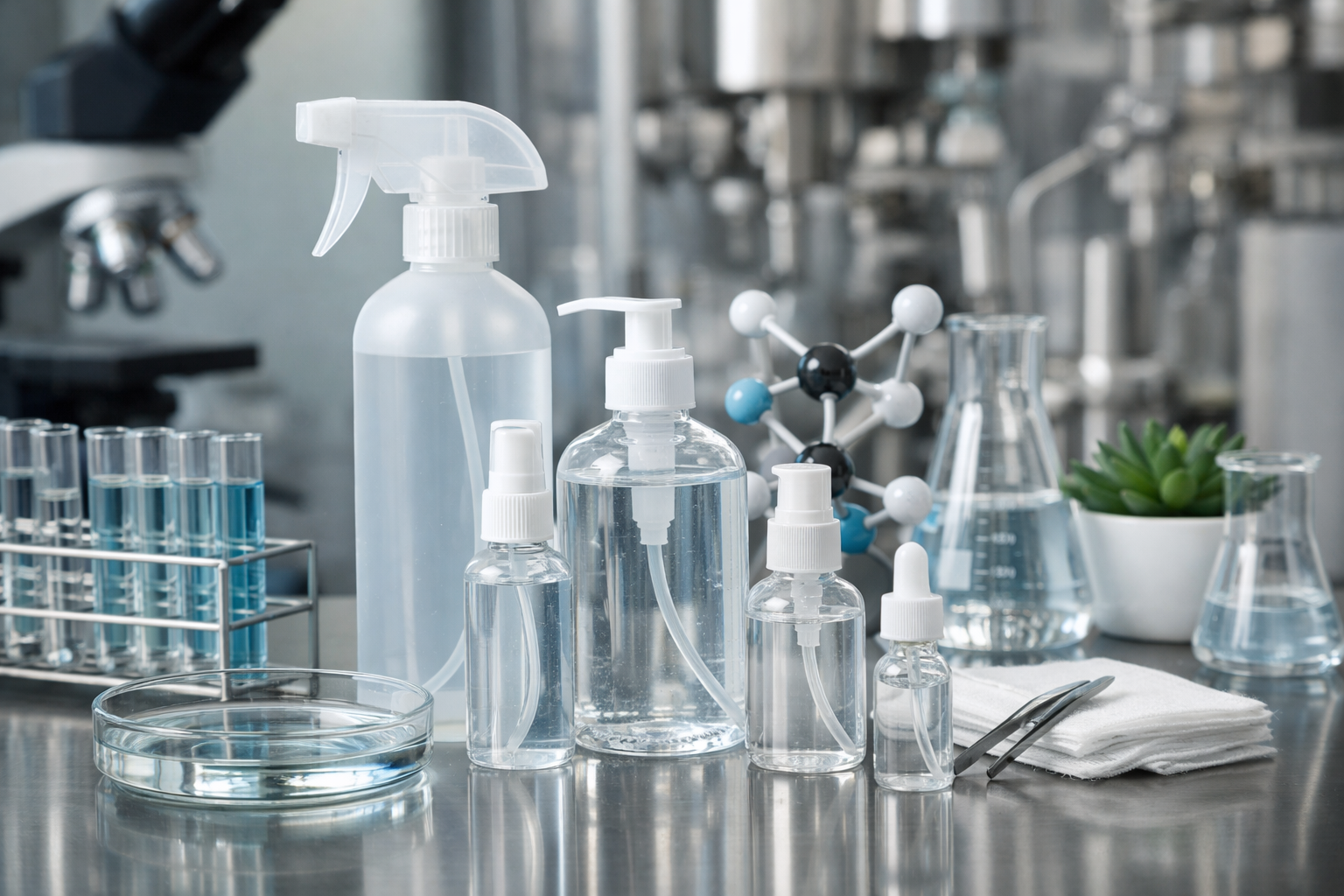
Understanding the Role of Hypochlorous Acid in Healthcare and Manufacturing
Hypochlorous acid is naturally produced by the human immune system to fight harmful microorganisms. Scientists have successfully replicated this compound in controlled environments, making it available for a variety of commercial and medical uses.
In healthcare settings, hypochlorous acid is commonly used for:
-
Wound care solutions
-
Surface disinfectants
-
Medical device cleaning
-
Infection control products
-
Skin and eye care formulations
The compound is valued because it effectively neutralizes bacteria, viruses, and fungi while remaining gentle enough for sensitive applications. When produced under strict quality standards, hypochlorous acid can provide reliable antimicrobial protection without harsh chemical side effects.
Manufacturers play a critical role in ensuring the compound is produced with the right concentration, stability, and purity for its intended use.
Selecting Reliable Manufacturing Partners
One of the most important best practices when working with hypochlorous acid products is selecting a reputable manufacturing partner. Not all facilities operate with the same level of oversight or technological capability.
Companies should look for manufacturers that demonstrate the following qualities:
-
Certified production facilities
-
Advanced quality control procedures
-
Transparent sourcing and production processes
-
Regulatory compliance with medical and safety standards
-
Experience in healthcare and medical product manufacturing
Organizations specializing in R & D Medical Products often have the expertise needed to develop advanced formulations that meet clinical requirements. These manufacturers invest heavily in research, testing, and innovation to ensure product effectiveness and safety.
Choosing experienced partners helps ensure that hypochlorous acid solutions maintain the stability and antimicrobial activity required for professional use.
Prioritizing Quality Control and Product Stability
Hypochlorous acid is a highly effective compound, but its stability can be influenced by factors such as light exposure, temperature, and packaging materials. Maintaining product quality requires strict quality control processes throughout the manufacturing and distribution stages.
Best practices include:
-
Testing each production batch for concentration and purity
-
Monitoring pH levels to maintain product effectiveness
-
Using specialized containers that protect against light exposure
-
Ensuring proper storage conditions during transportation and warehousing
Manufacturers with strong quality management systems help maintain consistent product performance. This is particularly important for medical applications where product reliability directly affects patient safety.
By implementing these standards, organizations can ensure that hypochlorous acid products perform exactly as intended when they reach healthcare professionals or consumers.
Ensuring Regulatory Compliance
Healthcare and medical manufacturing industries operate under strict regulatory guidelines. Hypochlorous acid products used in clinical environments must comply with safety regulations established by governing agencies.
Best practices for regulatory compliance include:
-
Following Good Manufacturing Practice standards
-
Maintaining proper documentation and traceability
-
Conducting regular product testing and validation
-
Meeting labeling and packaging regulations
Manufacturers experienced in R & D Medical Products are typically familiar with these regulatory frameworks. Their knowledge helps streamline the approval process for new formulations and ensures that products meet all required safety standards.
Organizations that partner with compliant manufacturers reduce the risk of regulatory issues while improving product credibility in the marketplace.
Integrating Research and Development for Product Innovation
Research and development are key drivers of innovation in hypochlorous acid manufacturing. As new healthcare challenges emerge, manufacturers must continue improving product formulations and delivery systems.
Collaborating with manufacturers that prioritize R & D Medical Products allows companies to develop advanced solutions tailored to specific medical applications. These innovations may include:
-
Improved wound care sprays
-
Enhanced surface disinfectants
-
Specialized medical device cleaning agents
-
Dermatological treatment formulations
R&D teams conduct extensive testing to ensure that each new product maintains antimicrobial performance while meeting safety standards. This process often involves collaboration between scientists, clinicians, and product engineers.
By prioritizing innovation, manufacturers help healthcare providers access more effective and reliable infection control tools.
Maintaining Proper Storage and Handling Procedures
Even the highest quality hypochlorous acid products can lose effectiveness if they are not handled properly. Storage and handling protocols must be followed carefully to maintain product stability.
Recommended best practices include:
-
Storing products in cool, dark environments
-
Avoiding prolonged exposure to sunlight
-
Using sealed, protective containers
-
Monitoring expiration dates and product shelf life
Healthcare facilities and distributors should also train staff members on proper handling procedures. Educating teams about storage requirements helps ensure that hypochlorous acid solutions remain effective when used in clinical or sanitation environments.
Implementing Effective Supply Chain Management
Reliable supply chain management is another important element of successful hypochlorous acid implementation. Healthcare organizations often depend on consistent product availability for infection prevention and patient care.
Working with dependable manufacturers helps ensure steady product supply while maintaining quality standards.
Key supply chain practices include:
-
Establishing long term manufacturing partnerships
-
Forecasting product demand accurately
-
Maintaining inventory tracking systems
-
Ensuring reliable shipping and distribution networks
Manufacturers that specialize in R & D Medical Products often have established supply chains designed to support healthcare systems and medical distributors.
Efficient logistics ensure that hypochlorous acid products reach healthcare providers quickly and safely, minimizing disruptions in critical environments.
Training Healthcare Professionals on Product Usage
Proper usage plays a major role in maximizing the benefits of hypochlorous acid solutions. Healthcare professionals must understand how to apply these products correctly in clinical and sanitation environments. Working with experienced Hypochlorous Acid manufacturers also helps ensure that healthcare teams receive clear guidance on proper application, safety standards, and product performance.
Training programs should focus on several key areas to support effective use:
Correct application techniques
Recommended contact times to achieve optimal antimicrobial effectiveness
Safe handling procedures for clinical and sanitation settings
Proper storage and disposal guidelines
Many Hypochlorous Acid manufacturers provide educational resources, product documentation, and technical support to help users understand how their solutions should be used. These materials make it easier for healthcare teams to incorporate hypochlorous acid products into infection control protocols while maintaining safety and compliance.
When medical professionals receive proper guidance and training from reliable Hypochlorous Acid manufacturers, patient safety improves and antimicrobial treatments can deliver more consistent and effective results.
Supporting Sustainability and Environmental Responsibility
Modern healthcare organizations are increasingly focused on sustainability and environmentally responsible practices. Hypochlorous acid solutions offer an advantage because they are typically less harmful to the environment than many traditional disinfectants.
Manufacturers committed to sustainable practices may implement:
-
Energy efficient production systems
-
Environmentally responsible packaging materials
-
Reduced chemical waste during manufacturing
-
Eco friendly transportation practices
By working with manufacturers that prioritize sustainability, healthcare organizations can reduce environmental impact while maintaining high sanitation standards.
Building Long Term Partnerships with Trusted Manufacturers
The most successful healthcare organizations treat manufacturing relationships as long term partnerships rather than short term transactions. Collaboration helps ensure consistent product quality, ongoing innovation, and reliable supply chains.
Trusted manufacturing partners provide valuable insights into product development, regulatory compliance, and technological advancements. These partnerships often lead to improved formulations, better packaging solutions, and enhanced product performance.
Organizations that follow these best practices can confidently implement hypochlorous acid solutions while maintaining the highest standards of patient safety and product reliability.
Frequently Asked Questions
What is hypochlorous acid used for in healthcare?
Hypochlorous acid is commonly used for wound care, surface disinfection, infection control, and medical device cleaning due to its strong antimicrobial properties.
Why is it important to work with reliable manufacturers?
Reliable manufacturers maintain strict quality control standards, ensure regulatory compliance, and produce stable formulations that perform effectively in healthcare environments.
Are hypochlorous acid products safe for skin?
When produced with proper concentrations and quality standards, hypochlorous acid solutions are generally safe for skin and are often used in wound care and dermatological treatments.
How should hypochlorous acid products be stored?
These products should be stored in cool, dark environments away from direct sunlight to maintain stability and effectiveness.
What industries use hypochlorous acid products?
Healthcare, medical manufacturing, sanitation services, and pharmaceutical industries commonly use hypochlorous acid products.