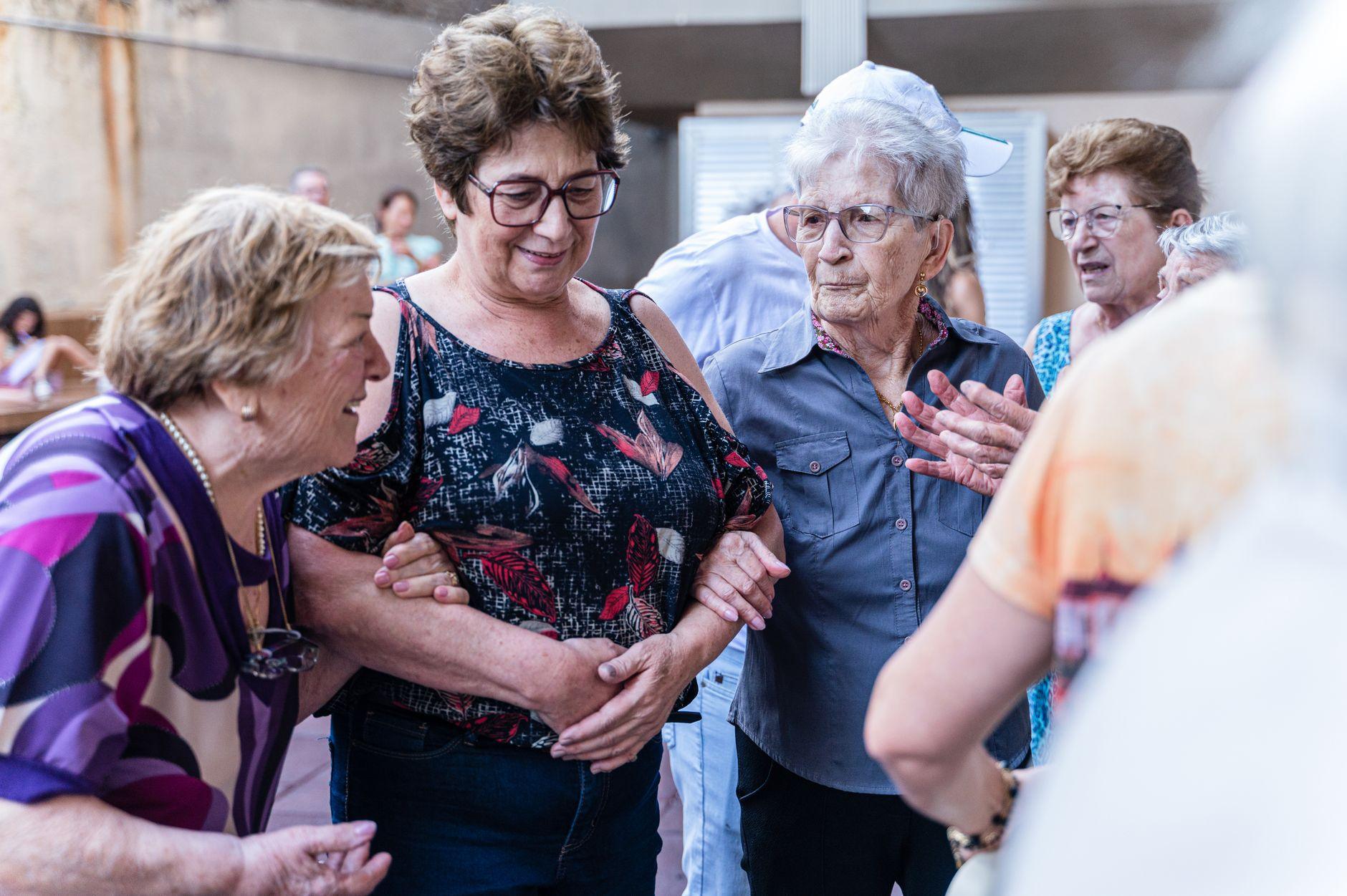
A blank wall can be transformed into a story. An empty public space can become a gathering place. A collection of individual ideas can become something that belongs to an entire neighborhood.
This is the power of community art.
Community art projects bring artists and residents together to create something collectively. These projects can take many forms, including murals, sculptures, temporary installations, photography projects, neighborhood exhibitions, and collaborative workshops.
Unlike traditional gallery exhibitions, community art often begins outside conventional art spaces. The goal is not simply to display artwork but to involve people in the creative process.
A successful community mural, for example, may involve dozens of residents. Children might contribute drawings, older residents might share historical photographs, and local artists may transform these ideas into a finished design.
The result is more than decoration. It becomes a visual representation of the people who live there.
Community art can also help preserve local history. Neighborhoods change over time, and buildings disappear, businesses relocate, and generations move on. Art can capture memories that might otherwise be forgotten.
Public art can also make ordinary places feel more welcoming. A colorful mural along a previously overlooked street can change how people experience that area. A sculpture in a public square can provide a landmark and gathering point.
There is also an educational benefit. Young people who participate in community art projects learn about creativity, collaboration, planning, and communication. They discover that their ideas can contribute to something larger than themselves.
Perhaps the greatest value of community art is that it creates ownership. When residents participate in making something, they are more likely to feel connected to it.
As communities search for ways to build stronger relationships among residents, art offers a simple but powerful tool. It creates opportunities for people to meet, communicate, collaborate, and celebrate the identity of their neighborhood.
Community art reminds us that creativity does not belong only in museums and galleries. It belongs wherever people live.