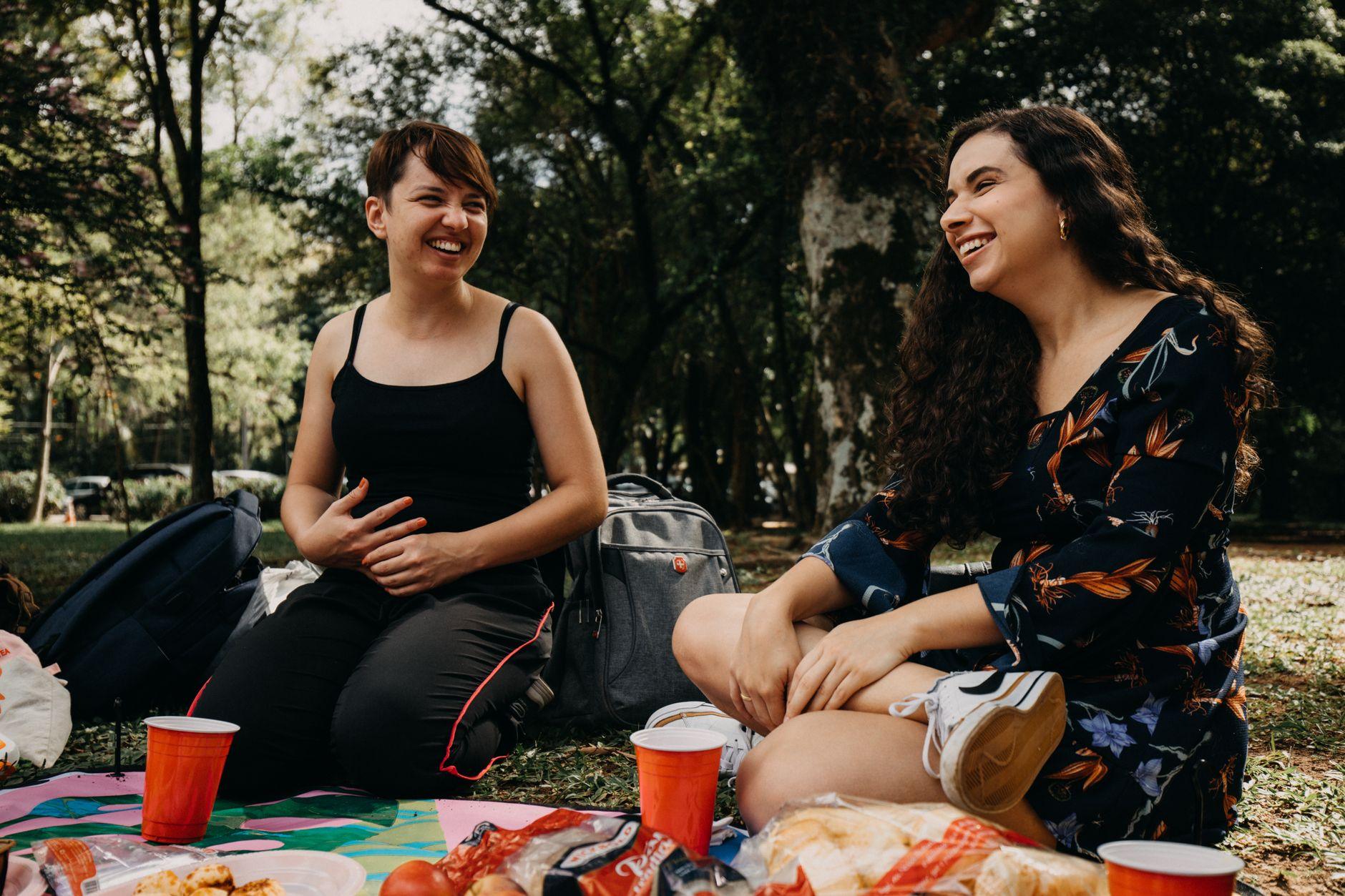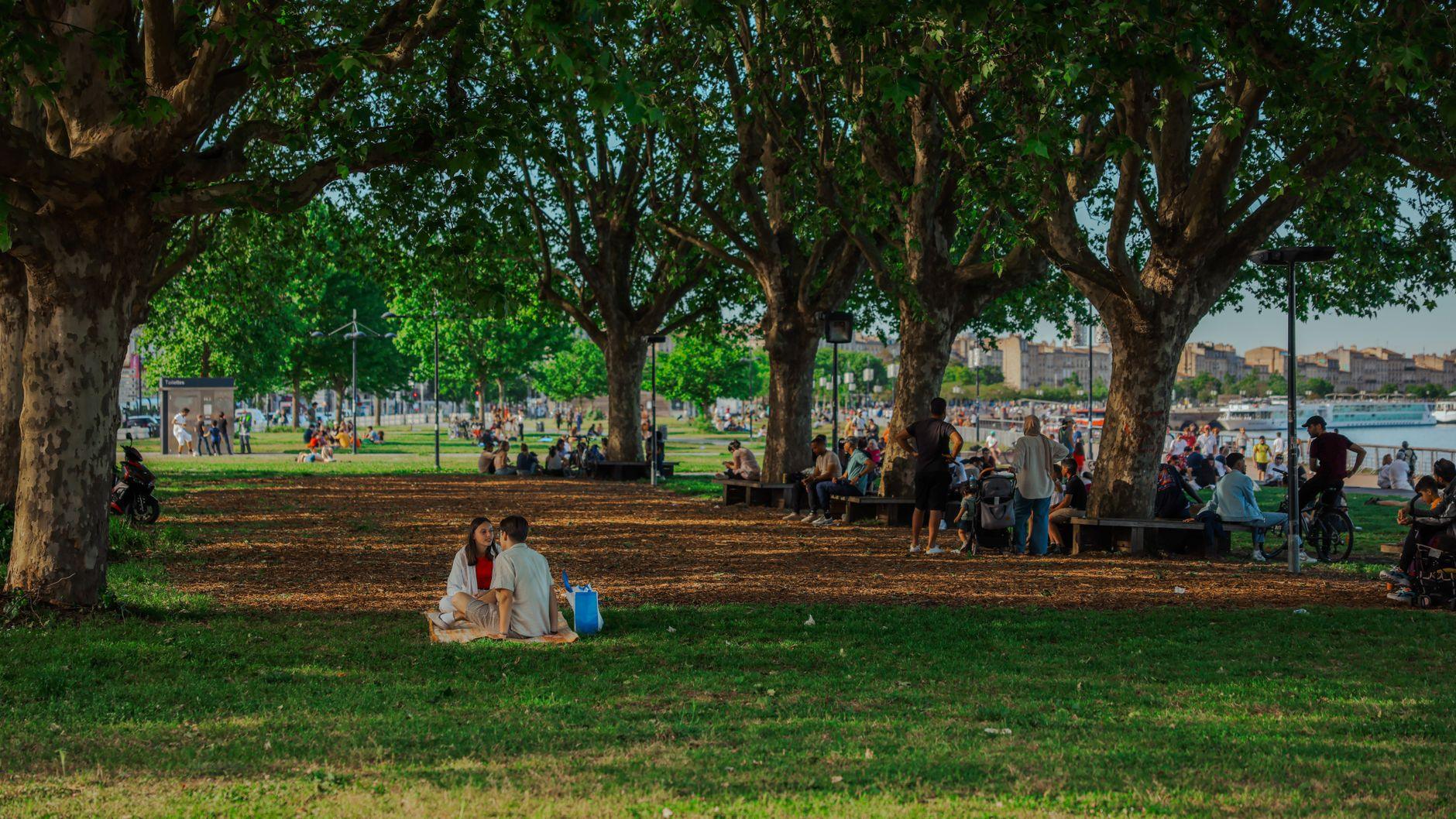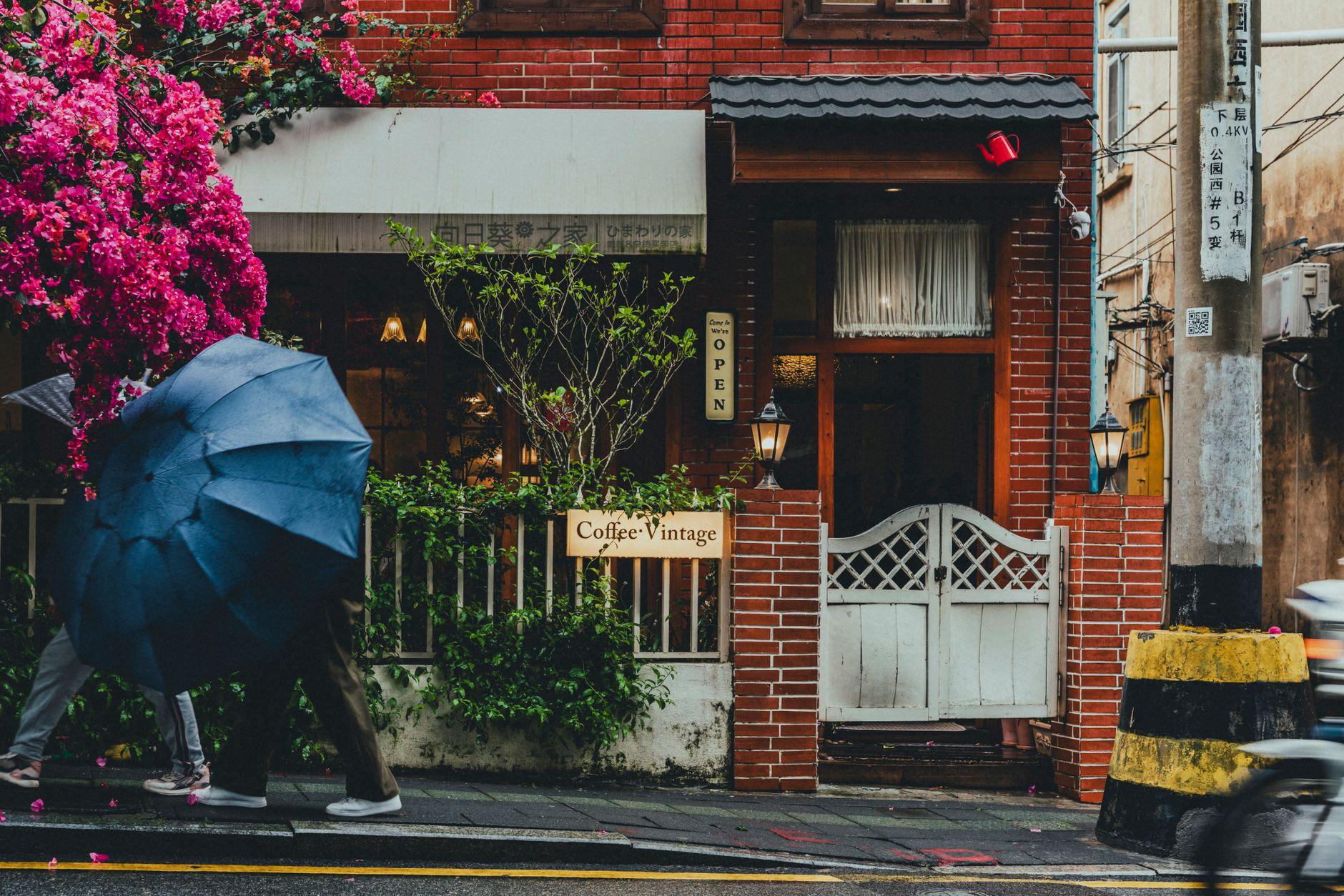
There’s a certain kind of place that doesn’t ask much of you. You don’t have to tidy it before company arrives, and nobody’s paying you to be there. It’s the coffee counter where the barista starts your order before you speak, the library table where the same faces turn up on Tuesdays, the corner of the park where dog walkers trade weather complaints. Sociologists have a name for these in-between spots: third places. And a wave of recent reporting suggests we’re paying closer attention to them precisely because so many have quietly slipped away.
So what actually counts as a third place?
The idea is simple. Home is the first place. Work (or school) is the second. The third place is everything in between — the neutral, welcoming ground where people gather without an agenda. As outlets exploring the concept have described it, these are the community spaces that build human connection almost by accident: you go for the coffee, you stay for the familiar faces.
What makes them work isn’t grandeur. It’s accessibility, low stakes, and regulars. A third place is somewhere you can show up as you are, linger without spending much, and leave feeling a little more woven into the fabric of where you live.
Why the conversation has heated up
The renewed interest isn’t nostalgia for its own sake. Several outlets have pointed to a genuine shrinking of the space between home and work. Washington Monthly framed it as exactly that — the shrinking space between home and work — noting how remote routines, screen-based leisure and car-dependent sprawl have hollowed out the casual middle ground where community used to happen.
Psychology Today has argued that the decline of in-person community is a bigger deal than most self-help advice lets on — that no amount of individual optimising replaces simply being around other people regularly. Meanwhile, a piece in the Dallas News made the case that economic and population growth mean little without social cohesion to hold a booming region together.
Belonging is the point
The Port Townsend & Jefferson County Leader recently put it in terms of belonging — the small, repeated sense of being recognised that these spaces provide. It’s not therapy and it’s not a fix for everything. It’s something quieter: the reassurance that you’re part of a place, and that a few people would notice if you stopped coming.
Different communities lean on different third places. A Greenfield Recorder column made the case that a church can be far more than a Sunday stop if it opens its doors mid-week. And in Philadelphia, Chalkbeat reported that young people themselves see third spaces as part of the answer to teen safety — somewhere to go that isn’t the street and isn’t home.
Finding — or making — your own
You don’t need a city plan to start. A few gentle ways in:
- Pick one spot and become a regular. Familiarity is built by showing up, not by trying hard.
- Choose places with low pressure to spend — libraries, parks, community centres, places of worship.
- Go at the same time. Rhythms are how strangers slowly become faces you know.
- Say yes to the small talk. The weather chat is the doorway, not the destination.
Building this kind of connection also means protecting a little space in your week for it, which sometimes means turning down other things without the guilt. And if the pull of the screen keeps winning, even a screen-free weekend can nudge you back out into the world where third places live.
None of this is complicated, and that’s rather the point. The best third places have always been ordinary. Their power is simply that they exist — and that we keep turning up.
Photo by ZhiCheng Zhang on Pexels