A mural can change the appearance of an entire street in a matter of weeks.
But behind every successful community mural is usually a much longer story involving planning, collaboration, disagreement, creativity, and hard work.
The process often begins with a simple question: What should this community see when it looks at this wall?
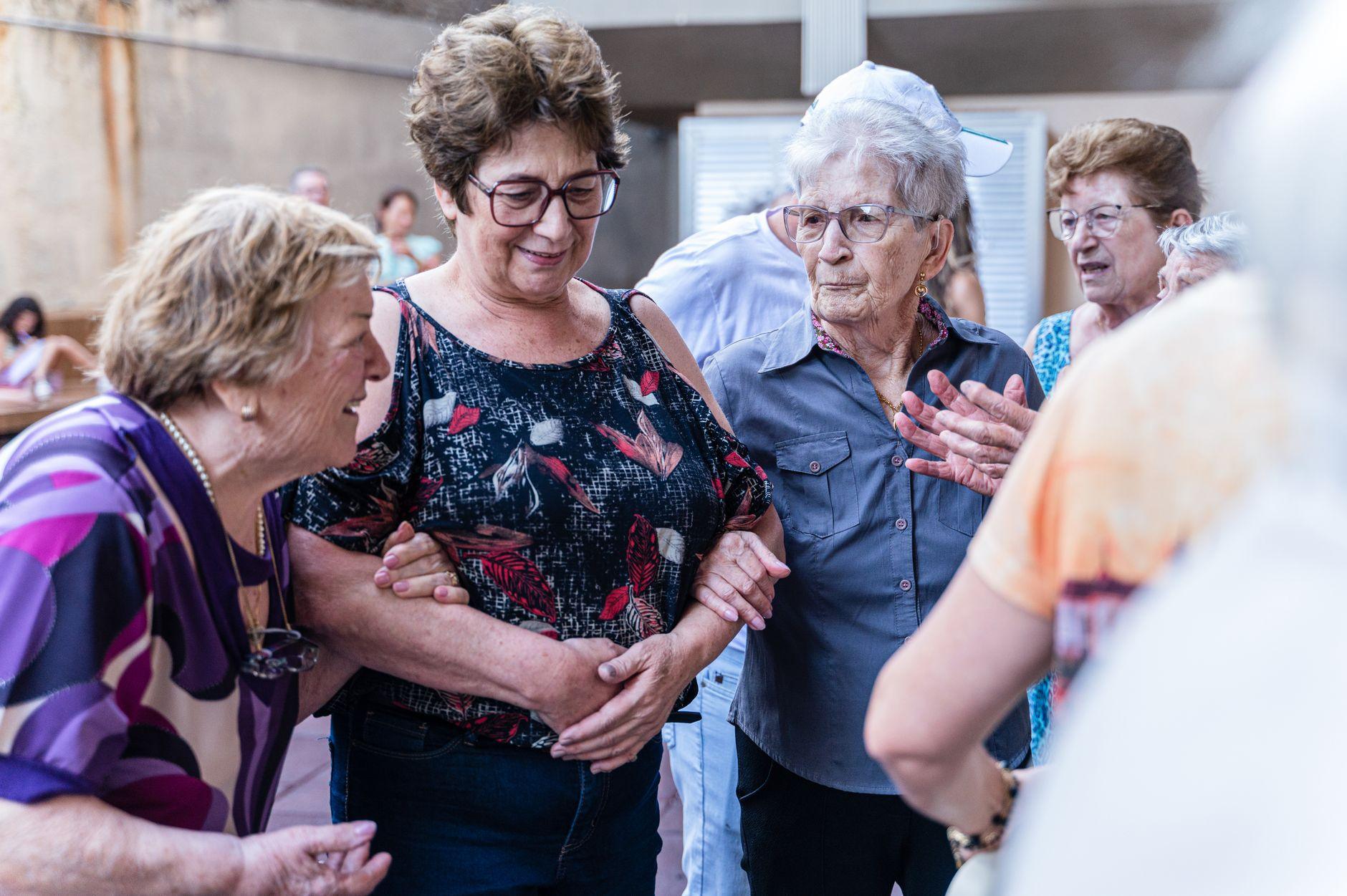
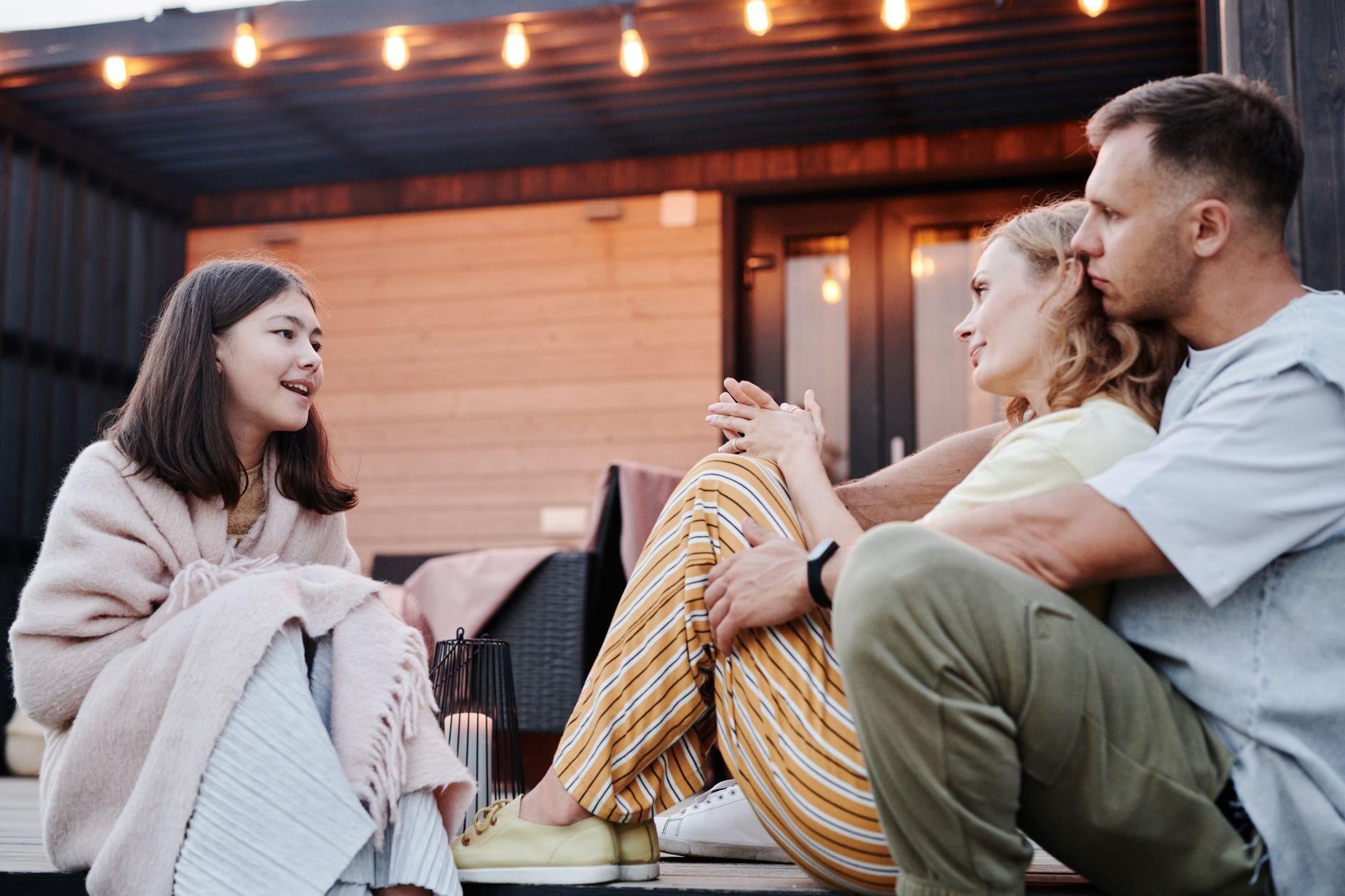
Artists may meet with residents, business owners, community organizations, students, and local leaders to gather ideas. Some want the mural to reflect local history. Others want to celebrate cultural diversity, nature, education, or the future of the neighborhood.
Turning all those ideas into one visual composition is not easy.
The artist must find a balance between creative expression and community expectations. Colors, imagery, symbols, scale, and location all matter.
Once a design is approved, the physical work begins.
Large murals can require scaffolding, specialized equipment, weather planning, surface preparation, and many hours of painting. What looks simple from a distance may involve hundreds of individual decisions.
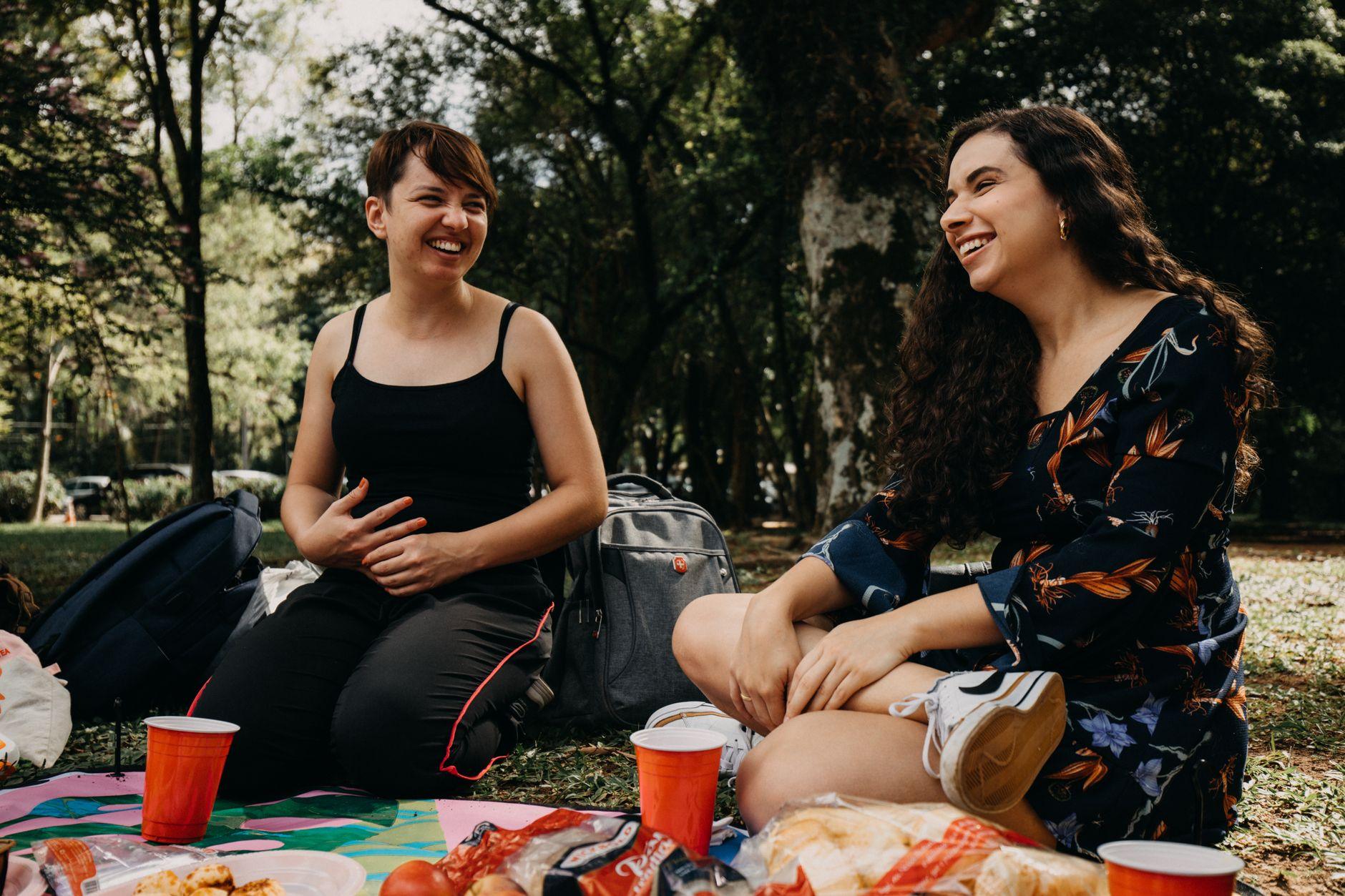
Community participation can make the experience even more meaningful. Residents may help paint sections of the mural, while local businesses provide materials or refreshments.
When the final brushstroke is completed, the wall becomes something more than public property.
It becomes a shared landmark.
People may use it as a meeting point, take photographs in front of it, or simply pass it every day on their way to work or school.
Years later, the mural can become part of the neighborhood’s identity.
That is the lasting value of public art. It can transform a physical space while also creating memories for the people who live around it.