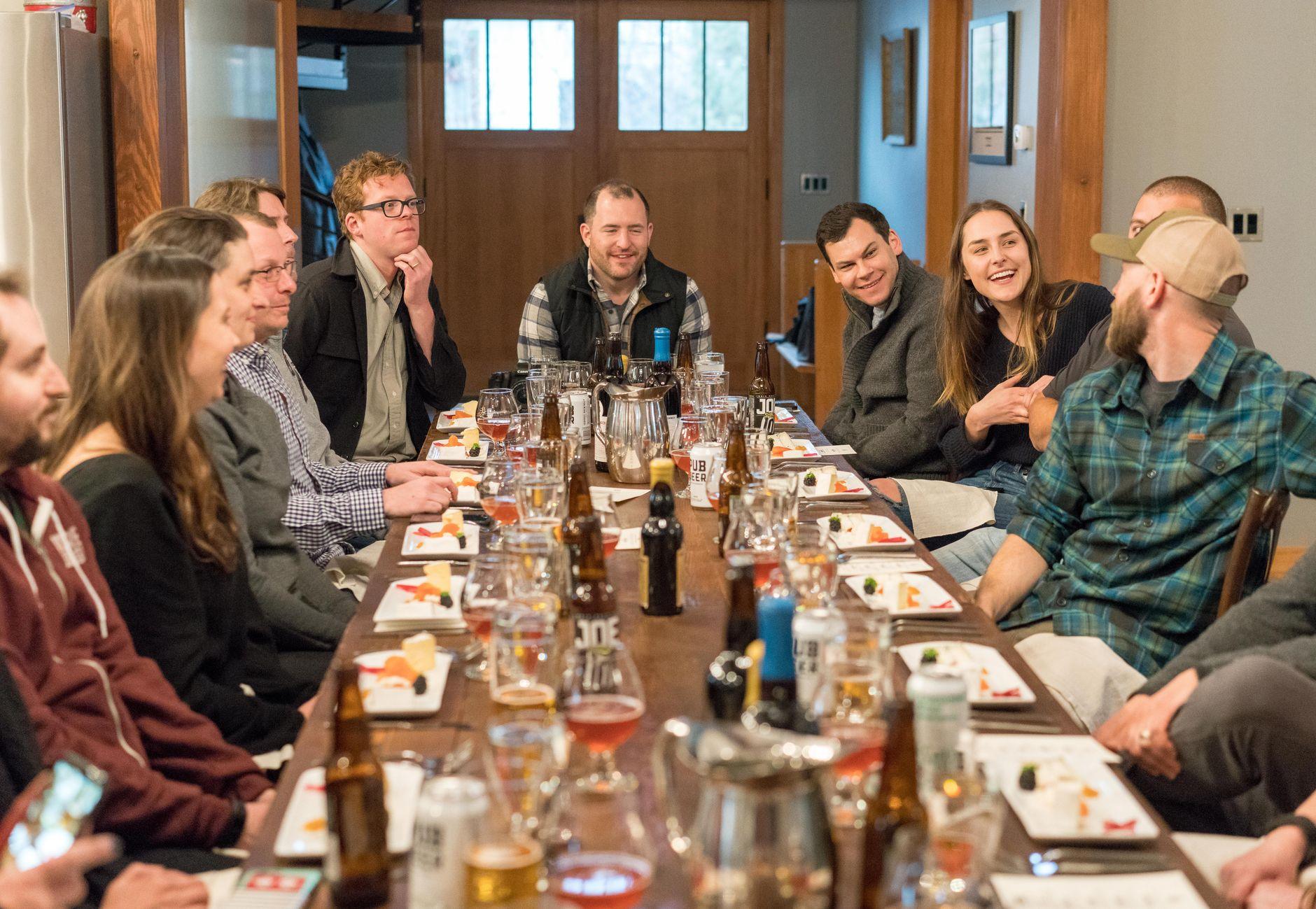
There’s a quiet idea gaining traction lately, and it’s refreshingly unglamorous: belonging isn’t something that lands in your lap. It’s something you build, one Tuesday-night meeting and one shared casserole at a time.
A spread of recent reporting — from poll data to local feature stories — keeps circling the same point. The people who feel most woven into their neighborhoods tend to be the ones who show up for them. Not perfectly. Not every time. But enough.
What the numbers quietly say
According to Gallup polling, Americans who are more actively involved in their communities report a greater sense of belonging and a stronger feeling that they can shape what happens around them. That second part matters as much as the first. Belonging and agency, it seems, travel together.
The flip side is sobering. A national study highlighted by the American Immigration Council found that only about one in four Americans believes they can genuinely influence outcomes in their own local community. That’s a lot of people living in places they don’t feel they can touch.
Taken together, the research hints at something hopeful hidden inside the gloom: involvement and influence reinforce each other. Show up, and you start to feel like your presence counts. Feel like it counts, and you’re more likely to show up again.
Belonging isn’t abstract — it’s a calendar
The local stories bring this down to earth better than any statistic. In Florida, the Tallahassee Democrat reported on community events that leave people feeling a renewed sense of belonging and purpose — the ordinary alchemy of gathering in the same room with other humans for a shared reason.
In Ohio, Cleveland.com described how Brooklyn’s Connecting and Belonging Commission is tackling neighborhood issues head-on — a reminder that belonging isn’t only about warm feelings but about residents having a formal seat at the table.
And in Colorado, arkvalleyvoice.com reported that the Arkansas River Valley LGBTQ+ Fund awarded $10,000 specifically to support belonging and community — money quietly backing the infrastructure of connection, the kind that’s easy to overlook until it’s gone.
The smallest door in
What’s striking across all these threads is how low the entry bar actually is. You don’t need to found a commission or chair a fund. The research on involvement counts the modest stuff too — showing up, lending a hand, being a familiar face.
If you’re looking for a first step, the pattern in the reporting suggests a few that tend to work:
- Pick the recurring thing. A weekly or monthly gathering beats a one-off, because belonging is built on repetition and recognition.
- Go where there’s a shared reason. A book, a run, a cause, a faith — a shared center of gravity does the hard social work for you.
- Be useful once. Bringing a dish, stacking chairs, offering a ride. Small usefulness is a surprisingly fast route from guest to regular.
- Welcome the next newcomer. The quickest way to feel like you belong is to help someone else feel it too.
That last point is worth sitting with. As we’ve written before, belonging, not just company, is often what we’re actually missing — and the antidote tends to be less about finding the perfect group than about becoming a dependable part of an imperfect one. A bilingual book club quietly building a sense of home does the same work a running crew or a neighborhood commission does: it gives people a reason to keep coming back.
Start where you are
None of this requires a dramatic reinvention. It requires a calendar entry and the willingness to be slightly awkward for the first few visits. Even a well-spent local weekend — the kind we’ve mapped out around Charlotte — can be the on-ramp.
The research won’t do the showing up for you. But it does offer a small, steadying promise: the feeling of belonging you’re waiting for usually arrives after you start, not before.