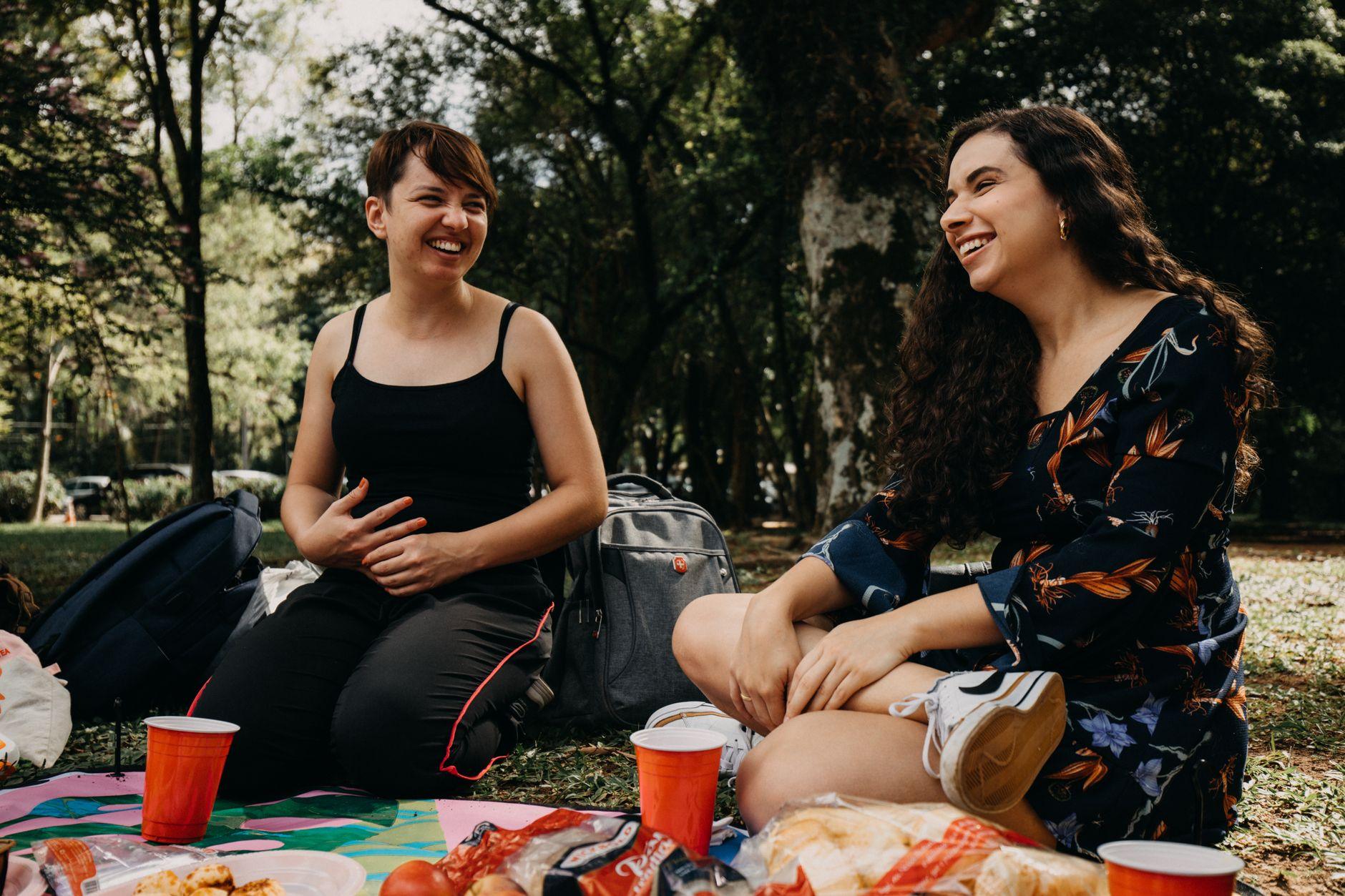
Creativity has no age limit.
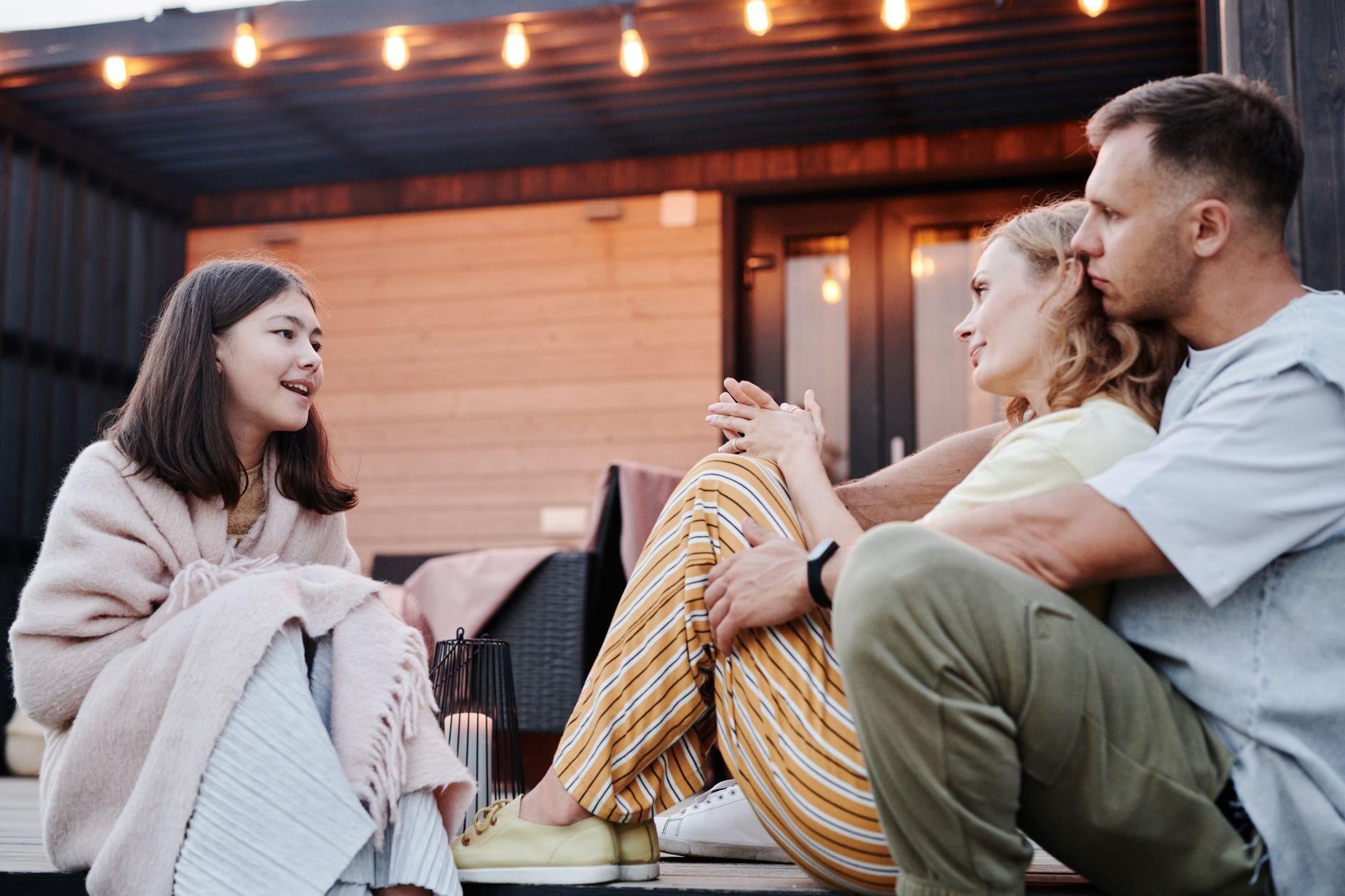
That idea is becoming increasingly visible in community art workshops, where children, teenagers, adults, and older residents can come together to learn and create.
A community workshop may focus on painting, drawing, ceramics, photography, printmaking, sculpture, crafts, or another creative discipline. While the technical skills are important, the social experience can be just as valuable.
People who might otherwise never meet are brought together around a shared activity.
A child may sit beside a retired resident. A professional photographer may teach someone who has never used a camera before. An experienced painter may share techniques with a teenager discovering their creative interests.
These interactions can create unexpected connections.
Art workshops also provide a space where people can slow down. Modern life often revolves around schedules, notifications, work responsibilities, and constant digital communication. Sitting down with a brush, pencil, camera, or piece of clay offers a different pace.
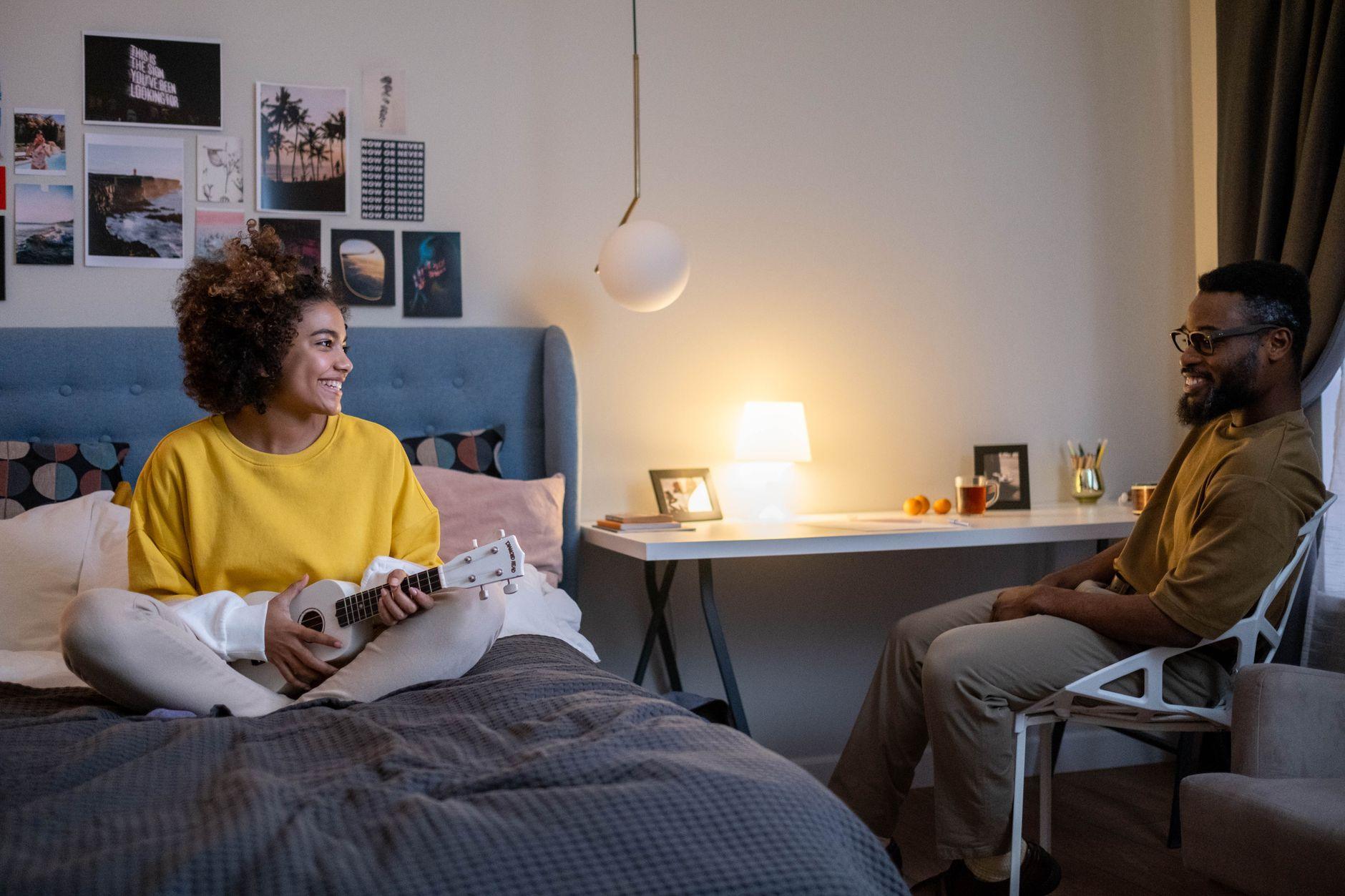
For children, creative activities can support confidence and experimentation. They learn that mistakes are not necessarily failures and that there can be multiple solutions to the same creative problem.
For adults, workshops can provide an opportunity to explore interests that may have been put aside because of work or family commitments.
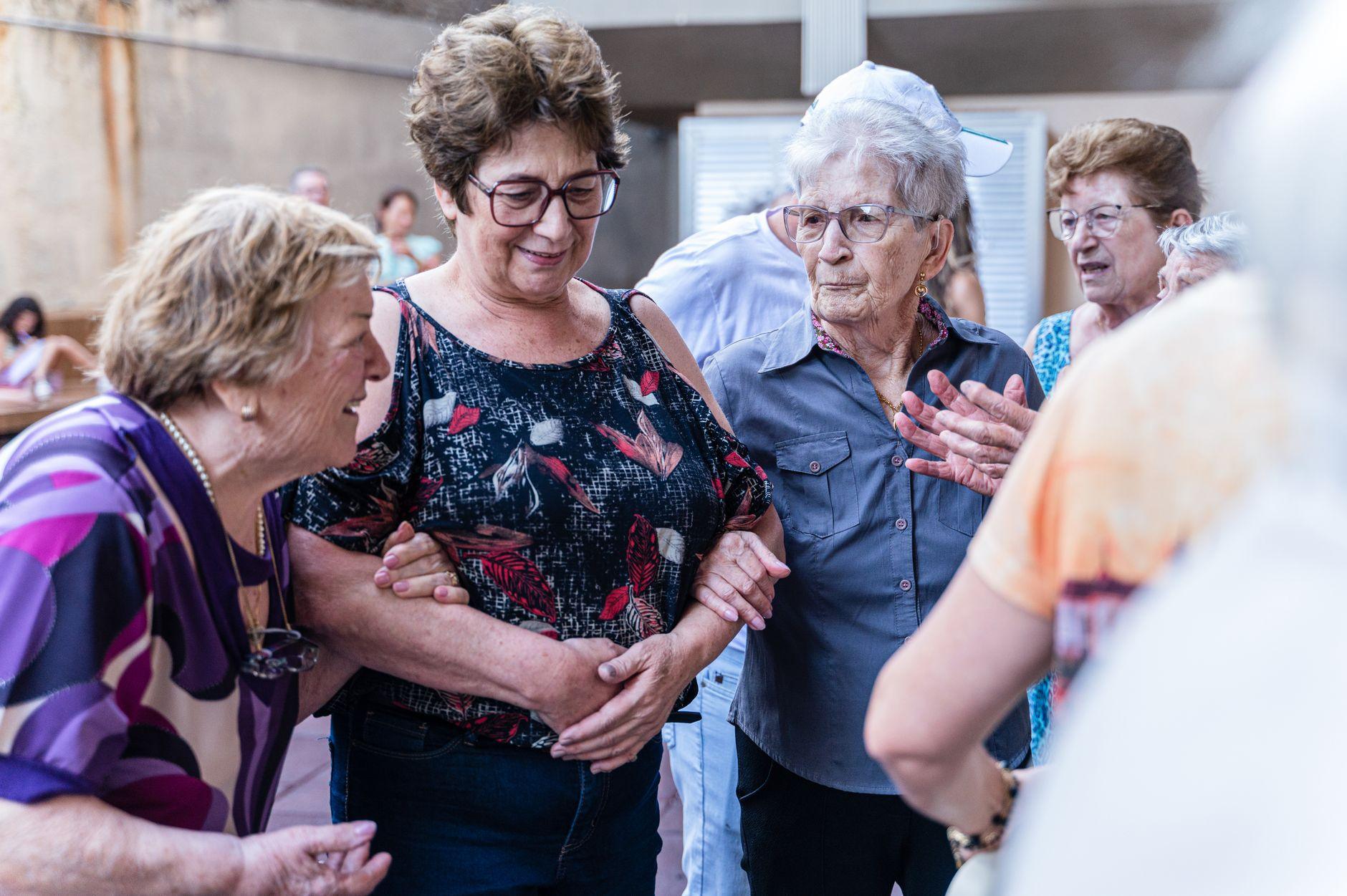
For older residents, creative programs can provide social connection while offering opportunities to share knowledge and life experiences.
The strongest workshops often go beyond instruction. They create communities.
Participants return because they enjoy seeing familiar faces, discussing projects, sharing ideas, and learning from one another.
That is one of the reasons community art programs deserve attention. Their impact cannot always be measured by the number of paintings produced or workshops completed.
Sometimes the most important result is a conversation between two people who would never otherwise have met.