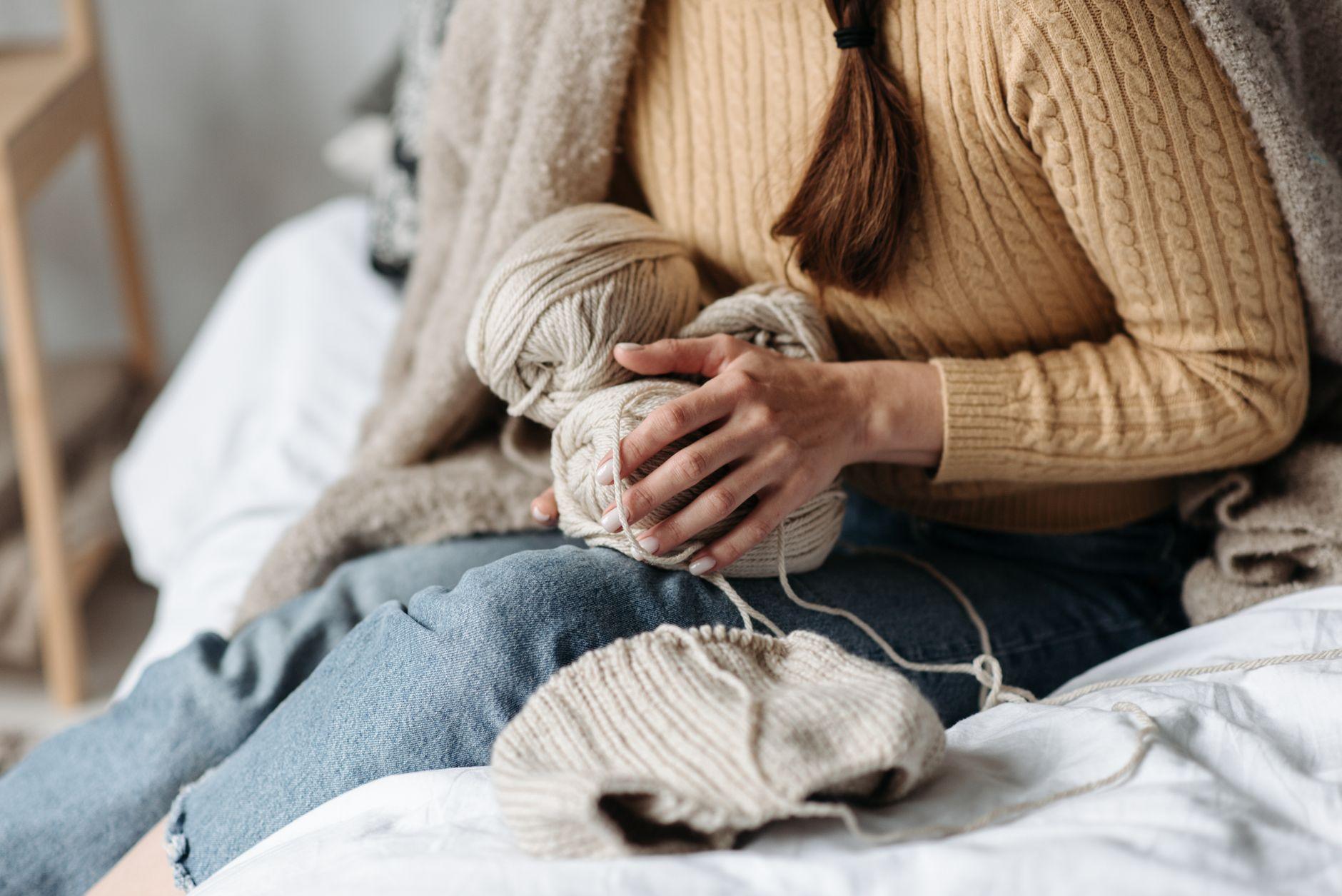
There’s a particular kind of calm that settles over a person halfway through a creative task. The kettle’s gone cold, the phone is face-down somewhere, and your whole attention has narrowed to the stitch in your hands or the colour mixing on the page. It turns out that feeling isn’t just pleasant. A run of recent coverage suggests it’s doing something good for your well-being, too.
Across health desks and university research pages, the same message keeps surfacing: creative hobbies are quietly one of the most accessible ways to feel better in everyday life. Not as a cure for anything, and not as a prescription — but as a habit that connects us to our hands, our senses and often each other.
What the reporting actually says
According to the University of Arizona Health Sciences, creative arts can support mental health as part of ordinary daily life — not something reserved for trained artists or gallery walls, but doodling, humming, rearranging a shelf, writing a few lines. The point is the doing, not the mastery.
There’s also a dose that keeps coming up. As Good Housekeeping reported on recent study findings, people who spend roughly two hours a week on a hobby they enjoy tend to report being happier. Two hours. That’s less than a single evening carved out across a whole week — a reassuringly small ask for something that gives back as much as it seems to.
Why it works on the ordinary days
Part of the appeal is how plainly these benefits land in daily life. UCLA Health has pointed to several proven upsides of simply having a hobby, and much of it comes down to engagement: being absorbed in something that asks a little of you, but gives back a sense of progress and quiet accomplishment.
Psychologists quoted by Real Simple describe certain hobbies as natural mood-lifters, the kind that gently nudge your brain’s reward chemistry in a good direction. That’s the science-y way of describing a feeling most of us already know — the small lift that comes from finishing a row of knitting or pulling a loaf out of the oven.
The comfort of ‘old-fashioned’ crafts
Interestingly, some of the most soothing options are the ones that never really went away. Verywell Mind rounded up a list of comforting so-called “grandma hobbies” — the slow, tactile, repetitive crafts that help reduce anxiety and invite calm. Think needlework, baking, tending plants, puzzling by lamplight.
And a wider sweep from Health News Hub underlines that a surprising range of pastimes carry health benefits, not just the obviously “productive” ones. We’ve written before about why making something with your hands makes you feel better, and the reporting keeps pointing the same direction.
Choosing one that sticks
If the idea of adding one more thing feels like pressure, it helps to keep expectations low and joy high. A few gentle starting points drawn from the themes above:
- Follow curiosity, not ambition. Pick the thing you’d happily do badly.
- Keep it tactile. Hands-on crafts are the ones repeatedly linked with calm.
- Aim small. Two hours a week is enough to matter, going by the research.
- Let it be yours. There’s a quiet magic in a hobby you do purely for joy — no audience, no outcome.
None of this is medical advice, and the outlets above aren’t promising transformation. What they’re describing is gentler and more within reach: a reliable, low-cost way to feel a little more like yourself. For more on that, there’s a whole case for creative hobbies as small joys and real calm — and the only thing it asks is that you begin.
Photo by Pavel Danilyuk on Pexels