There’s a particular kind of contentment that sneaks up on you halfway through a project — when your hands are busy, your shoulders have dropped an inch, and the to-do list in your head has finally gone quiet. If you’ve ever felt it over a sketchbook or a bowl of bread dough, you already know what the researchers are now putting numbers to: making things for the simple pleasure of it is genuinely good for us.
Why creativity and calm travel together
You don’t have to think of yourself as “a creative” to benefit. As Real Simple has reported, creative hobbies are one of the most accessible ways to add a little more joy to an ordinary week — and that’s true whether your medium is watercolour, needle and thread, or a secondhand ukulele.
Part of the appeal is how absorbing creative work can be. When you’re focused on getting a stitch right or mixing the right shade of green, there isn’t much mental room left over for worry. Researchers at the University of Arizona Health Sciences have pointed to the ways creative arts can support mental health in the rhythm of daily life — not as a cure for anything, but as a steady, gentle habit that helps people feel more grounded.
The two-hours-a-week sweet spot
You might assume you’d need to overhaul your calendar to see any difference. Encouragingly, the research suggests otherwise. According to coverage in Good Housekeeping, people who spend around two hours a week on a hobby they enjoy tend to report being happier. That’s a single afternoon, or twenty minutes here and there between everything else.
And the payoff isn’t only personal. In a nice twist, researchers have found that hobbies spill over into the rest of life too — Phys.org reports that the creativity people build in their spare time can even show up as more inventive thinking at work. The thing you do “just for fun” turns out to be quietly productive in ways you never intended.
The comfort of the old-fashioned craft
There’s been a warm resurgence of what Verywell Mind has fondly called “grandma hobbies” — knitting, crochet, embroidery, baking, tending plants. Their appeal is partly nostalgic and partly practical: repetitive, tactile tasks can be soothing, and they end with something you can actually hold. That sense of having made a real object matters more than we give it credit for, as we’ve explored in why making something with your hands makes you feel better.
Starting small, and starting badly
The biggest barrier is usually the pressure to be good at it. So set that down first. The point is the doing, not the outcome. A few low-stakes ways in:
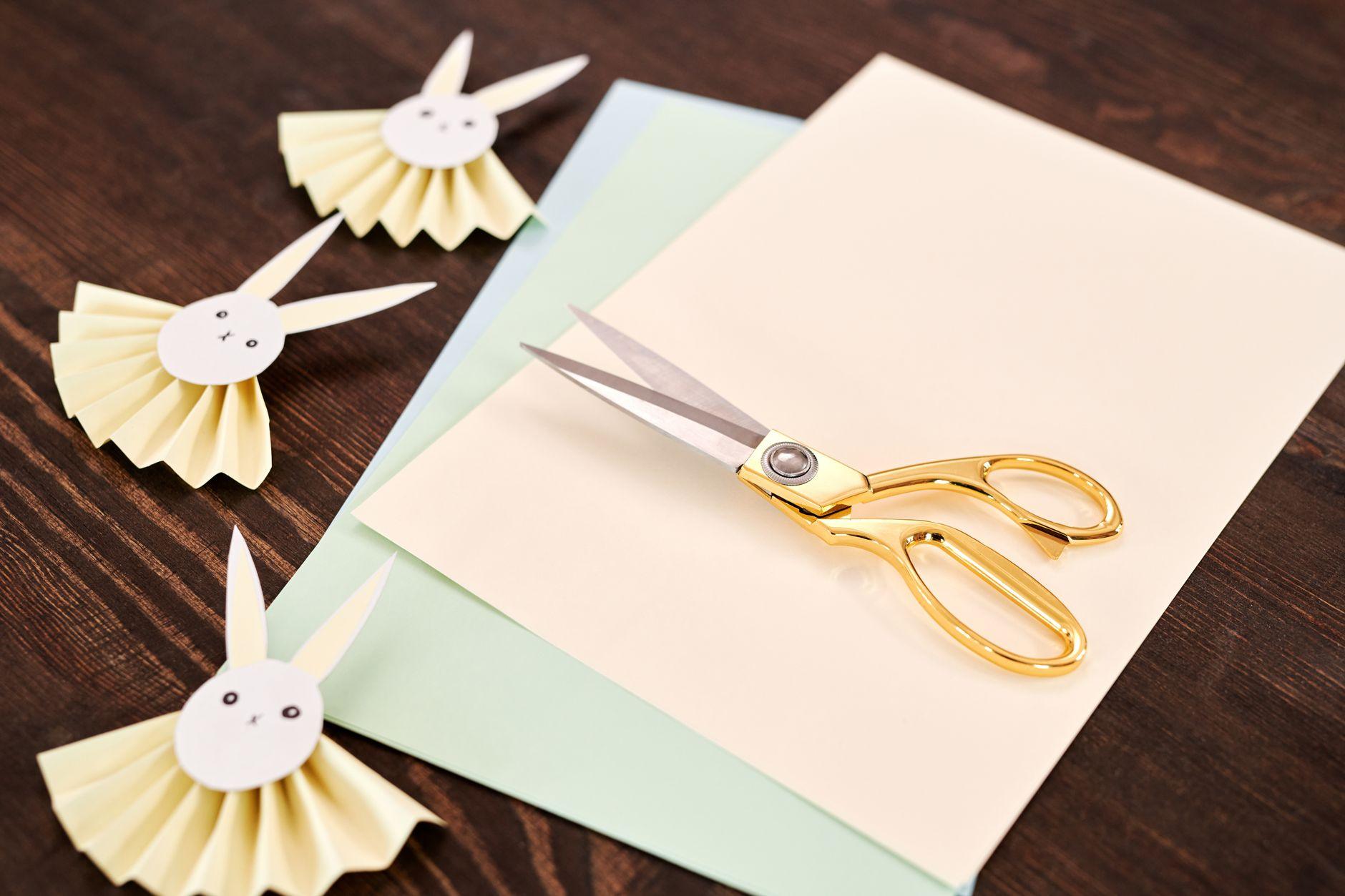
- Pick something tactile. Clay, yarn, paper, dough — anything your hands can get into tends to be absorbing fast.
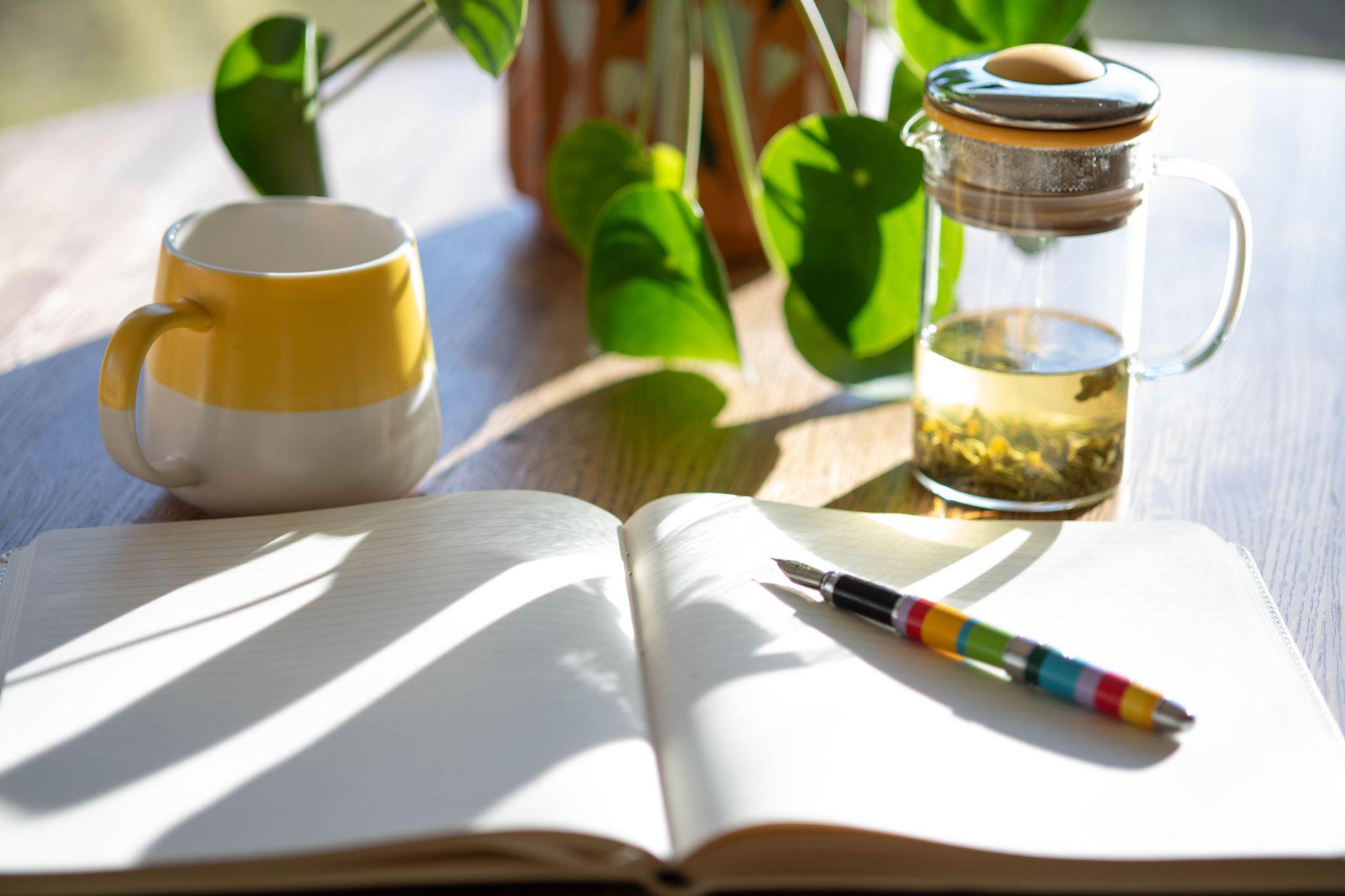
- Keep it visible. A sketchbook left open on the table gets used more than one tucked in a drawer.
- Protect a small, regular slot. Twenty minutes most days beats a heroic three-hour session once a month.
- Let it be imperfect. A wonky mug is still a mug you made, and nobody is grading you.
Creative hobbies are also a surprisingly easy doorway to other people — a class, a craft night, a stitch-and-chat. If you’re building a life somewhere new, it can double as a way to find your people, something we’ve touched on in our guide to making friends in a new city.
Small joys, real calm
None of this is a prescription, and it isn’t a replacement for proper support when you need it. It’s gentler than that — a reminder that joy can be a skill you practise. For more on the quiet case for picking something up, see our piece on creative hobbies and real calm. The first stitch is the hardest. After that, it mostly takes care of itself.
Photo by Andy Barbour on Pexels