There’s a comforting idea gaining ground lately, and it goes against everything the wellness industry usually sells us: you may not need more time to feel less stressed. You might just need thirty seconds, used well, a few times a day.
Across recent coverage, the same quiet theme keeps surfacing. The relief that actually sticks tends to be small, immediate and built into the texture of regular life — not the grand gestures we promise ourselves and rarely deliver.
Why the tiny stuff works
According to reporting on recent research, some of the fastest ways to lift your mood and ease tension can take as little as half a minute. That’s a reassuring number. It means the barrier isn’t willpower or a free afternoon — it’s simply remembering to do the small thing in the moment you need it.
Part of the appeal is how the pressure actually accumulates. Health writers have begun pointing to the idea of “microstress” — the steady drip of minor friction across a day that never announces itself as a crisis but quietly wears you down. A delayed reply, a cluttered counter, a meeting that overran. If the stress arrives in small pieces, it makes sense that the antidote can too.
What experts keep coming back to
Pull together the advice from outlets covering this beat and a short, practical list emerges. As Harvard Health and others have outlined, the reliable building blocks of a calmer day tend to include:
- Breathing on purpose. A few slow, deliberate breaths remain one of the most researched and portable tools going — needing nothing but your own lungs and a moment’s attention.
- Moving your body. Even a brief walk or a stretch resets the nervous system and loosens the physical grip stress leaves behind.
- Connecting with someone. A short, genuine exchange with a person you like is quietly protective.
- Stepping outside or changing your scene. A doorway, a window, a patch of sky — a small shift in environment can be enough.
According to advice shared by Parkinson’s Europe, these everyday approaches are designed to fold into a normal routine rather than demand you rearrange your life around them. That’s the whole point: a habit you’ll actually keep beats a perfect one you abandon by Wednesday.
Finding your own thirty seconds
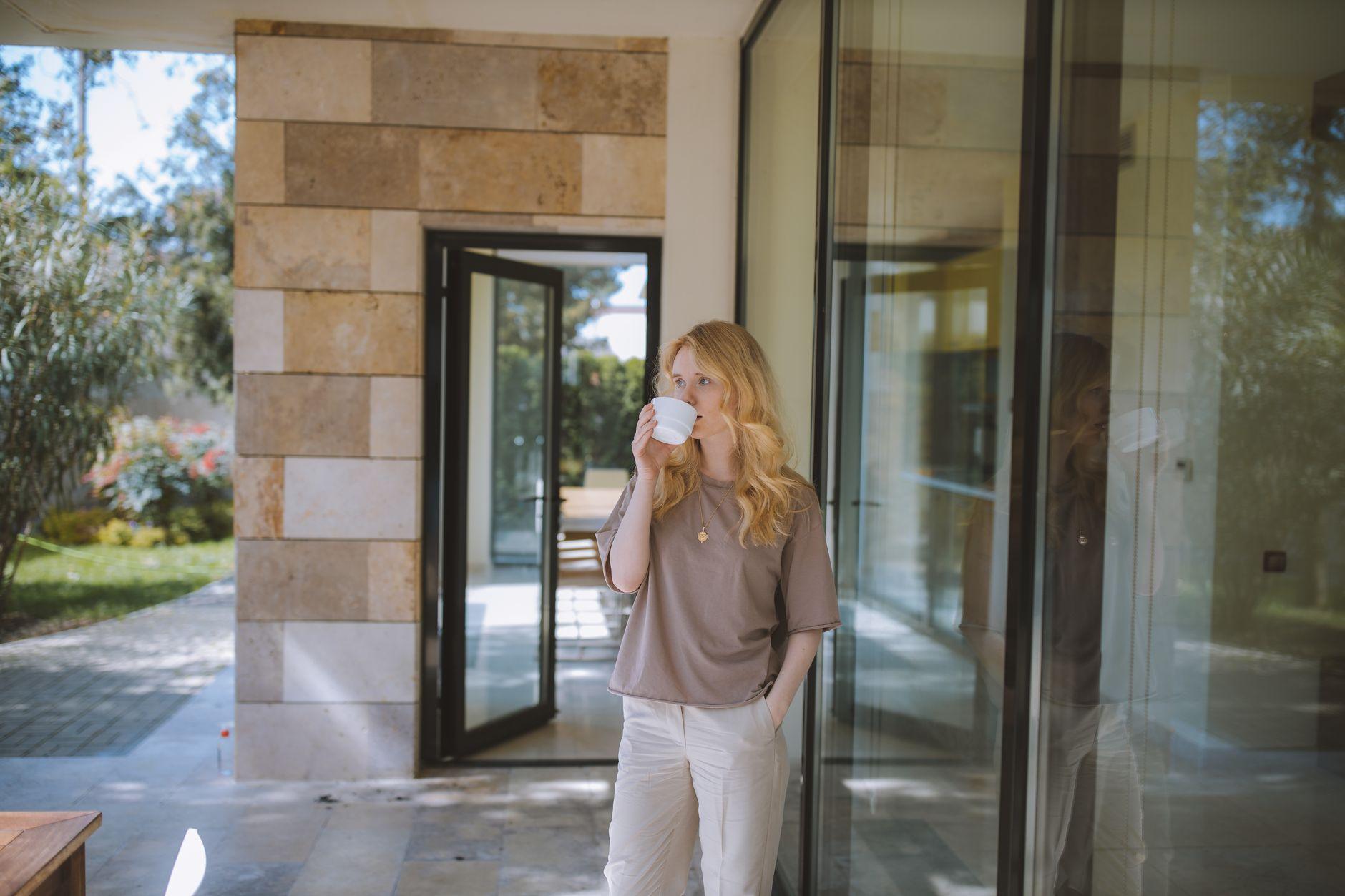
Here in Charlotte, that reset might be stepping onto the porch with your coffee before the day’s noise starts, or taking the long way back through a greenway on your lunch break. The specific ritual matters less than its reliability — the fact that it’s there, small and repeatable, when you reach for it.
If you’d like a gentle starting point, we’ve gathered the ten-minute habits that quietly lower daily stress and small ways to melt daily stress into a calmer evening. For something even smaller, the practice of writing one honest sentence a day is a low-effort anchor that asks very little and gives back more than you’d expect.
A note of honesty
None of this is a cure, and none of it replaces proper care when stress tips into something heavier. What remains unconfirmed in much of the quick-fix coverage is how durable these benefits are over months and years — the research tends to measure the moment, not the long haul. But as a way to take the edge off an ordinary hard day, the message from across the reporting is consistent and kind: start smaller than you think you’re allowed to.
Photo by Anastasia Shuraeva on Pexels