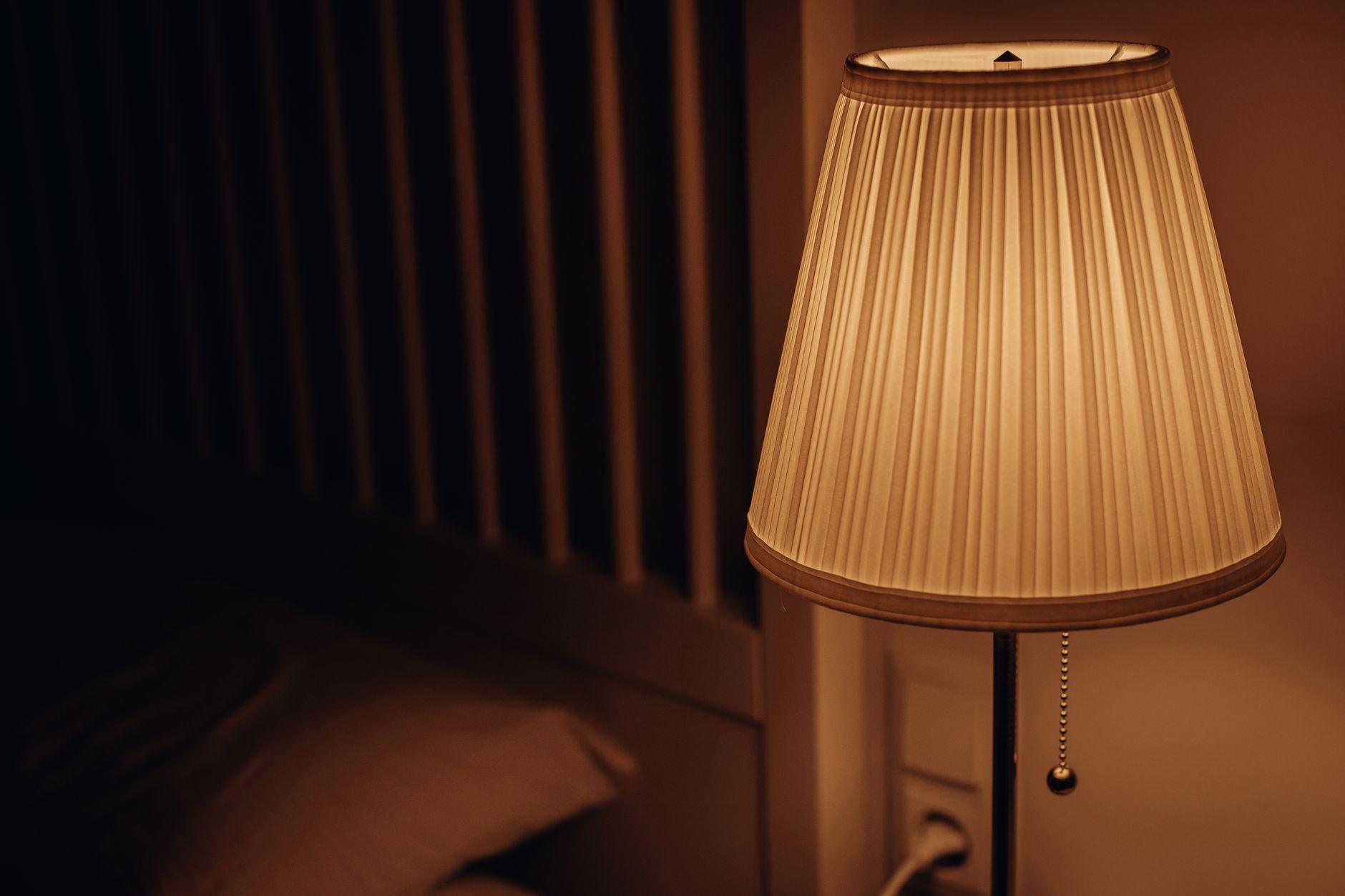
There’s a particular kind of tired that no amount of willpower seems to touch — the sort where your body is spent but your mind is still pacing the hallway at midnight. If that sounds familiar, you’re in good company. A wave of recent reporting, from university health desks to major wellness outlets, keeps circling the same quiet conclusion: better sleep rarely comes from a single clever trick. It comes from a routine you can repeat without thinking.
Why the wind-down matters more than the pillow
The hours before bed do a lot of invisible work. As NPR has reported, people who feel “too hyped up” to sleep often benefit from deliberate rituals that signal to the body that the day is genuinely over — a gradual off-ramp rather than slamming the brakes at lights-out. The idea is simple: your nervous system takes time to downshift, and a predictable sequence of calming cues helps it get there.
That theme runs through much of the current coverage. Verywell Mind frames small, consistent bedtime habits as the thing that shapes how you feel the next morning — not the eight-hour number alone, but the quality of the lead-up to it.
Start small, then let it stack
One reason routines fail is that we try to overhaul everything at once. A more forgiving approach treats better sleep as a project measured in weeks, not nights. Healthline’s three-week challenge leans into this gradual build, layering one habit at a time so nothing feels like a punishment.
A few gentle anchors that tend to show up across the reporting:
- A consistent wake time. Oddly, the morning sets up the night — getting up at roughly the same hour steadies your internal clock.
- A dimming ritual. Lowering lights and screens tells your body dusk has arrived, even indoors.
- A repeatable cue. Tea, a few pages of a book, a short stretch — the content matters less than the consistency.
- A worry outlet. Jotting down tomorrow’s to-dos so your mind doesn’t rehearse them at 2 a.m.
If you’ve tried and abandoned a routine before, you’re not alone — the sticking is the hard part. We’ve written more on that in how to build a bedtime routine that actually sticks.
The honest truth about the trendy stuff
“Unwind routines” are having a moment online, and the gear has followed. USA TODAY’s 10Best describes how a sunrise-style alarm clock helped one writer build a gentler morning and evening rhythm, while Cybernews rounds up the sleep devices expected to lead in 2026. Tools can help — but they’re scaffolding, not the building. A $200 gadget won’t rescue a routine you never actually follow.
It’s worth remembering, too, that this is about habits, environment and connection — not diagnosis. If persistent sleeplessness is wearing you down, that’s a conversation for a professional, not a listicle.
Charlotte, the slow way
There’s something fitting about a slower approach to rest for anyone navigating a city that always seems to be building. Around here, the evening quiet can feel hard-won — which is exactly why protecting the last hour of the day is worth doing on purpose. Our take on the quiet art of winding down before bed leans into that unhurried spirit.
The payoff isn’t dramatic. It’s a Tuesday where you drift off without a fight, and a Wednesday where you wake up feeling like yourself. Built one small, repeatable step at a time — the kind of change that tends to last.
Photo by cottonbro studio on Pexels