There’s a particular kind of relief that comes from walking into a bedroom that feels calm. The shoulders drop. The to-do list loosens its grip. And yet so many of us treat the room where we sleep as an afterthought — a place to dump laundry, charge phones and stash the things that don’t fit anywhere else.
A wave of recent design coverage has landed on the same quiet conclusion: the most restful bedrooms aren’t the most expensive or the most styled. They’re the ones that get a handful of small things right. Here’s what the experts keep coming back to, translated into changes you can actually make this week.
Start with the light
If you only change one thing, make it the lighting. According to Better Homes & Gardens, harsh overhead light is one of the first culprits experts point to when a bedroom refuses to feel restful. A single bright bulb beaming down from the ceiling keeps the room feeling like a kitchen at noon, not a place to wind down.
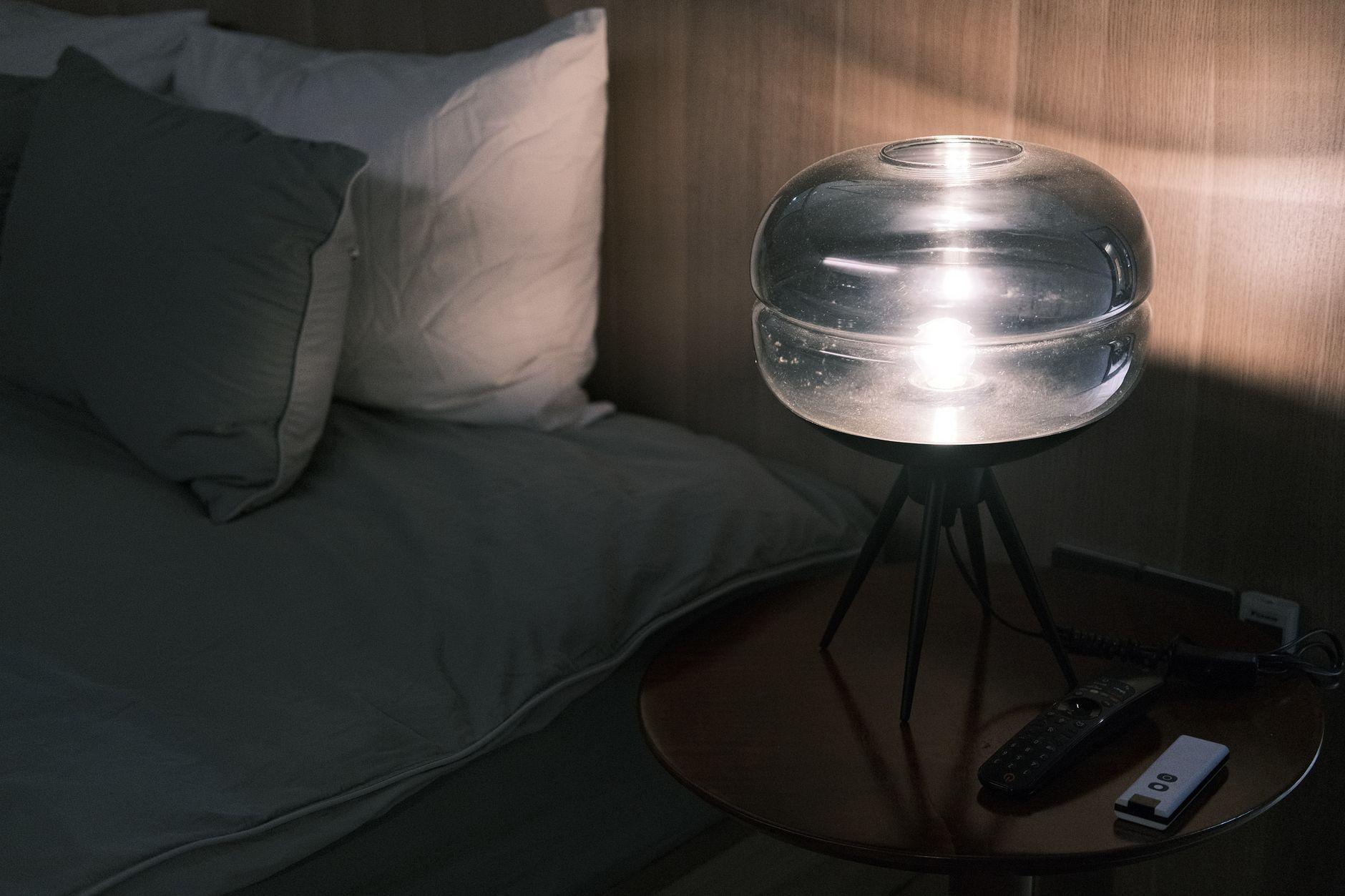
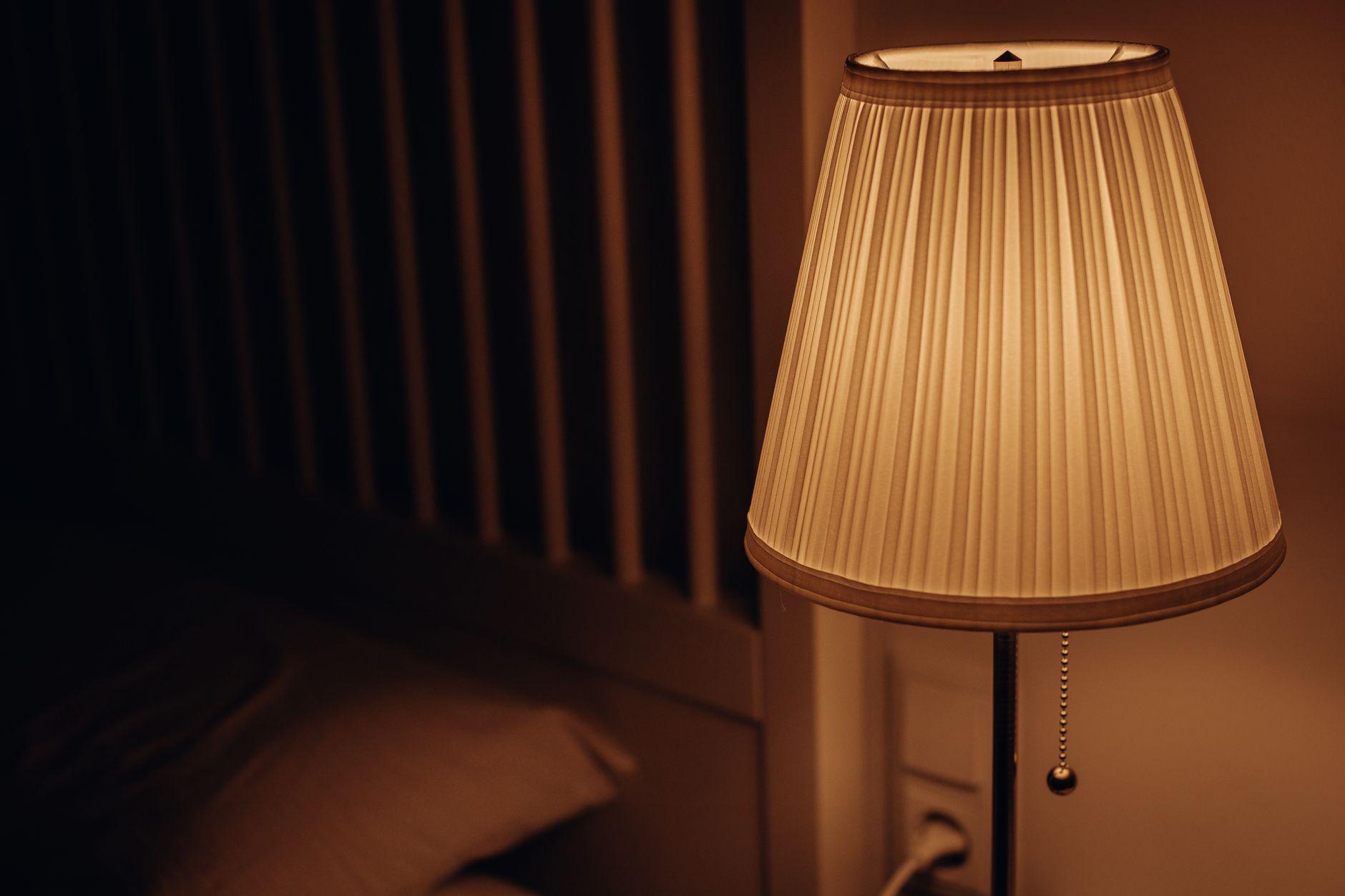
The gentler path is layered, lower light: a bedside lamp, a warm bulb, maybe a softer glow near the floor. It signals to your body that the day is closing. We’ve written before about how much difference this makes in starting with the light — it’s genuinely the cheapest upgrade with the biggest payoff.
Borrow a trick from good hotels
Part of why a nice hotel room feels so instantly restful is that it’s been edited down to the essentials. As Ideal Home notes, hotels lean on calm, cohesive palettes, generous bedding and surfaces kept clear of clutter — a deliberate simplicity that’s easy to recreate at home.
You don’t need a tray of tiny toiletries. You need the principle behind them: fewer competing objects, a bed that feels like the main event, and nightstands that aren’t buried.
Follow a few quiet rules
When Real Simple gathered designers on what makes a bedroom feel cosy and calm, the advice circled around warmth and restraint — soft textures, a grounded colour palette and layers that invite you to linger rather than perform.
That restraint matters in the other direction too. Martha Stewart recently rounded up the things designers say cheapen a bedroom, and plenty of them — visual clutter, mismatched excess, trying too hard — are the very things that quietly keep a room feeling busy instead of restful. Calm is often about what you remove.
The small changes that add up
You don’t have to do everything at once. The Spruce suggests focusing on small, manageable changes rather than a full overhaul, and that’s reassuring. A few worth trying:
- Clear one surface. Pick the nightstand or dresser top and give it room to breathe.
- Soften the sound. A rug, curtains or textiles help absorb the hard edges of noise — a small shift toward a quieter, more restful room.
- Warm up the palette. Grounded, muted tones tend to settle a space.
- Move the phone charger. Even a few feet away changes how you reach for it at night.
Make it somewhere to land
None of this is about chasing a magazine-perfect room. It’s about building a space that meets you gently at the end of the day — somewhere the body recognises as safe to let go. If you want a fuller walkthrough, our guide to making your bedroom feel like a place to rest pulls these threads together.
Start small. Change the light, clear a surface, soften a corner. Rest tends to follow the room that’s ready for it.
Photo by Juan Pablo Serrano on Pexels