There is a particular kind of tiredness that no amount of early nights seems to fix — the sort where you climb into bed and the room itself feels wide awake. Bright overhead bulbs, a glowing phone, the hum of the street outside. You can love a room and still find it hard to rest in.
Across a wave of recent design coverage, writers and interior experts keep circling back to the same gentle truths about what actually makes a bedroom feel restful. The reassuring part? Most of it costs little and asks for small changes rather than a renovation.
Start With the Light, Not the Furniture
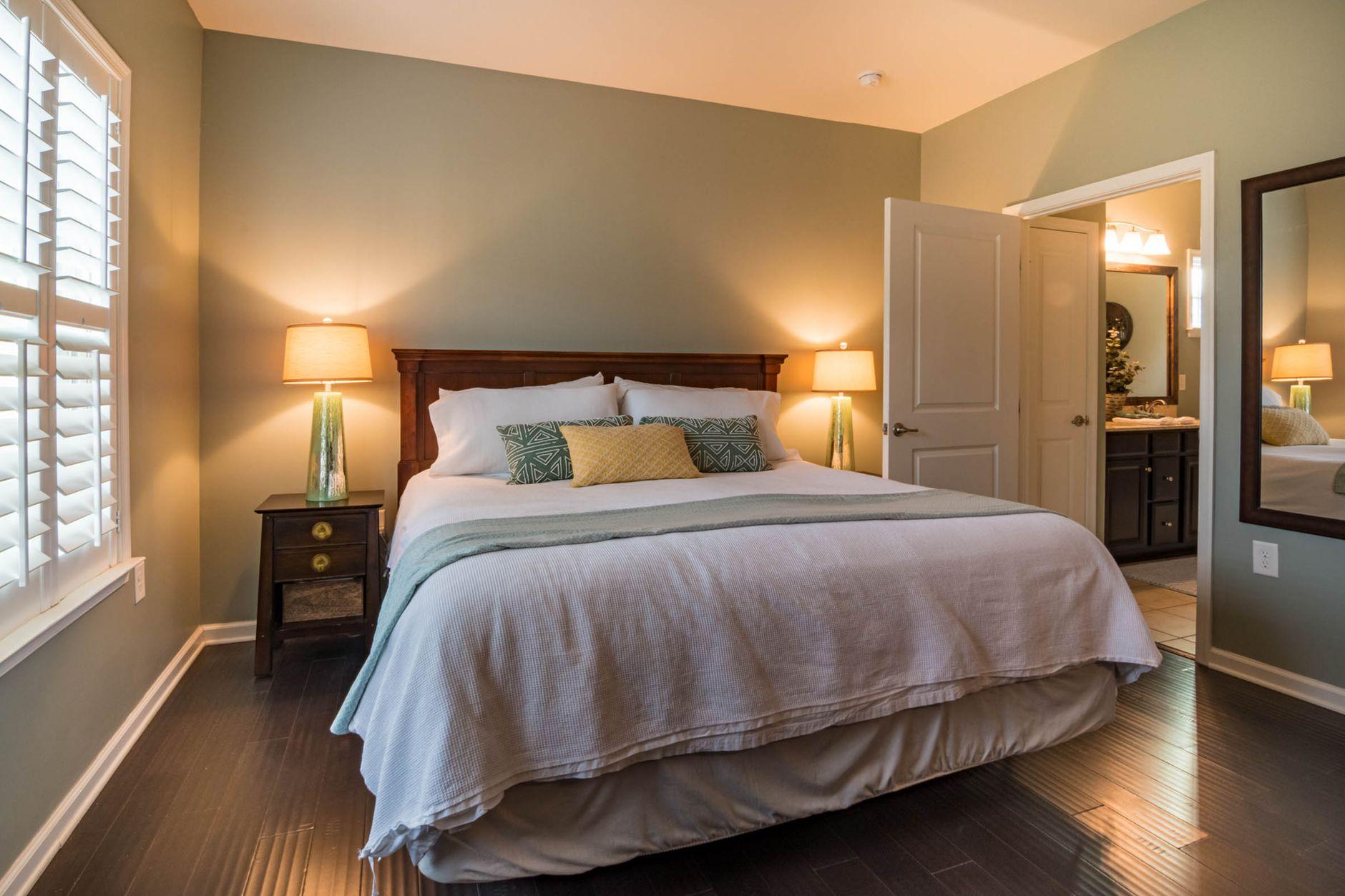
If you only change one thing, make it the lighting. According to Better Homes & Gardens, the first thing experts suggest adjusting when a bedroom doesn’t feel restful is often the lighting — swapping harsh overhead brightness for softer, lower, layered sources that signal to the body that the day is winding down.
Think of it as building light in layers rather than flooding a room from the ceiling. A bedside lamp with a warm bulb, a dimmer switch, a small glow in the corner — each one lets you dial the room down as the evening goes on. It is a small shift that quietly changes the whole mood of a space.
Small Changes Carry More Weight Than You’d Think
You do not need to start over. As The Spruce notes, designers point to modest adjustments — softening textures, easing clutter, choosing calmer tones — as the things that make an ordinary bedroom feel genuinely relaxing.
A few of the ideas that come up again and again across outlets:
- Keep surfaces clear so the eye has somewhere to rest.
- Layer soft textures — throws, cushions, natural fabrics — for a sense of cocooning.
- Lean toward muted, soothing colours rather than bright, stimulating ones.
- Give screens a home outside the bed, or at least out of reach.
We’ve written before about the small bedroom changes that quietly invite better rest, and the throughline is always the same: it is the accumulation of little, kind decisions, not one grand gesture.
A Room That Works With You
The design principles doing the rounds — from Real Simple’s golden rules for a calm, cozy bedroom to the sleep-focused tricks gathered by House Beautiful — share a quiet philosophy. A bedroom should ask less of you, not more. It should be a place that helps you let go of the day rather than one that keeps pulling your attention.
That is a slightly different way of thinking about a room. Instead of asking what it looks like, you ask how it makes you feel as you close the door behind you. Does it feel noisy or still? Cluttered or clear? Alert or settled?
The Spare Room Counts Too
The same thinking travels well into the guest room — especially as the holidays approach. As The Irish News points out, a little care in the spare room can make visiting friends and family feel properly welcome. Soft lighting, clean bedding and a clear surface for their things turn a storage room back into somewhere a person can actually rest.
Whether it is your own room or a bed made up for someone you love, the heart of it stays the same. For more on the broader idea, our guide to turning your bedroom into a room that lets you rest walks through it gently.
Start with the light tonight. Everything else can follow.
Photo by Curtis Adams on Pexels