Most of us know what big stress feels like. A deadline that looms, a hard conversation, a bill that lands at the wrong time. But there’s a subtler kind that rarely registers as stress at all — the pinging phone, the text you meant to answer three hours ago, the slightly-too-full calendar, the small favour you agreed to and now quietly resent. On their own, these moments barely move the needle. Added together, across a whole day, they can leave you frazzled without a single obvious reason why.
The hidden stress that hides in plain sight
This everyday pile-up has a name. Health writers have started calling it microstress — the tiny, almost invisible pressures that come from the people and routines closest to us. Because each one feels too small to mention, we tend to push through rather than address it. The trouble, as outlets have reported, is that the body doesn’t necessarily distinguish between one big worry and forty little ones. It all lands somewhere.
And it lands physically. According to the American Heart Association’s guidance on how stress affects the body, the physical toll of ongoing tension is real and worth taking seriously. A cardiologist, speaking to Business Insider, went further — noting that chronic stress can even accelerate the way we age, and that short daily habits can help protect the heart.
Why ten minutes is the magic number
Here’s the encouraging part. You don’t need a weekend retreat or a complete lifestyle overhaul to interrupt the pile-up. A cluster of recent reporting lands on the same hopeful idea: small, repeatable habits, often ten minutes or less, can genuinely shift how stressed you feel.
Mental health experts cited by Real Simple point to simple ten-minute habits that take the edge off, and EatingWell rounds up science-backed ways to find relief in roughly the same window. We’ve explored this terrain before, too, in our own look at the ten-minute habits that quietly lower daily stress.
Small resets worth trying
Drawing on the practical suggestions scattered across recent coverage, here are a few low-effort places to start:
- Breathe on purpose. A study published in Nature tested easy, digital breathing exercises against everyday stress — a reminder that something as ordinary as slow breathing has been taken seriously by researchers.
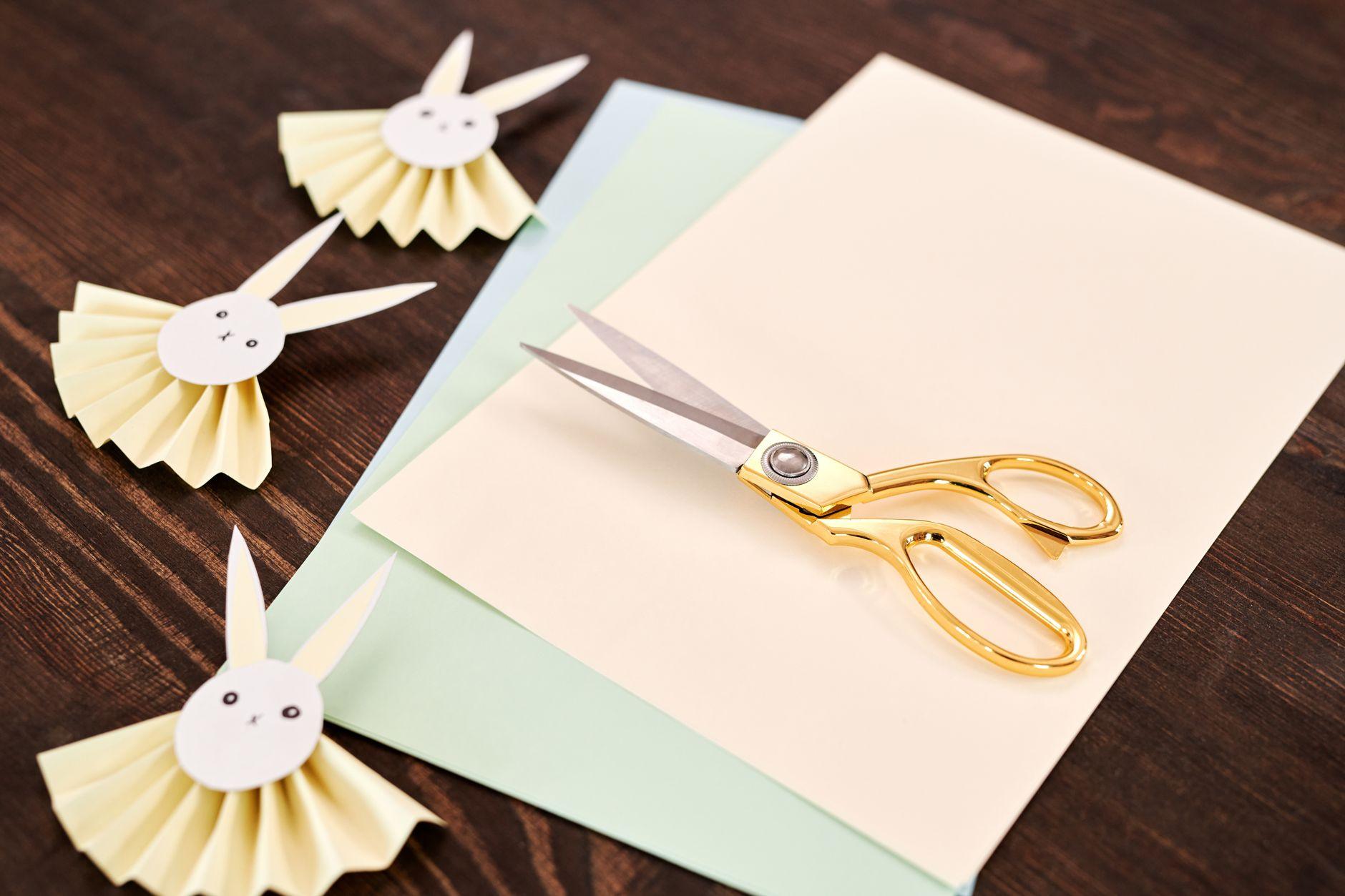
- Make something. Work from the University of Arizona Health Sciences highlights how creative arts can support mental health in daily life — doodling, humming, pottering about counts.
- Tackle the small stuff. Since microstress comes from tiny frictions, clearing one — replying to that text, saying no to one request — can lighten the load more than its size suggests.
- Move the goalposts on work. Guidance from Verywell Mind on handling stress at work leans on boundaries, breaks, and asking for help rather than heroics.
If ten minutes feels like a stretch on a packed day, even a shorter pause can help — the kind of 30-second reset you can slot between meetings or school runs.
The gentle takeaway
None of this is a cure, and none of it replaces proper support when things feel heavy. But the common thread across all this reporting is quietly reassuring: much of our daily stress is made of small, manageable parts, and small, manageable habits are exactly what meets it. You don’t have to fix everything at once. You just have to notice the pile-up — and give yourself ten minutes to set a little of it down.
Photo by Andrea Piacquadio on Pexels