There’s a particular kind of tiredness that comes from dieting — the mental arithmetic, the guilt, the sense that your own appetite is an opponent to be managed. If you’ve felt it, you’re in good company. And a growing chorus of nutrition experts and health organisations is quietly making the same case: the goal was never a diet in the first place. It was a way of eating you can live with.
Why willpower was never the problem
Part of the struggle, it turns out, is written into us. Humans are an unusually fat species compared with our closest animal relatives, and research reported by New Scientist suggests that evolutionary quirk is one reason dieting feels like swimming upstream. Our bodies are rather good at holding on to what they’ve got.
So the shame spiral — the idea that you simply lack discipline — misreads the situation. The more useful question isn’t “how do I eat less?” but “how do I build a plate, and a day, that feels good and does me good at the same time?”
Small shifts beat big rules
This is where the advice gets refreshingly undramatic. For National Nutrition Month, the Los Angeles Daily News laid out strategies for eating better without dieting at all — the sort of nudges that don’t demand a wholesale life overhaul. Public health guidance tends to echo the same gentle themes. The CDC frames healthy eating around practical habits rather than prohibition, and the American Medical Association reports that doctors want patients thinking in terms of sustainable patterns, not punishing short-term fixes.
If you want a loose scaffolding rather than a rulebook, a few ideas crop up again and again:
- Crowd your plate with plants before you worry about taking anything away.
- Lean on whole foods you actually enjoy, so “healthy” stops feeling like a sentence.
- Notice hunger and fullness instead of outsourcing those decisions to a plan.
- Change one small thing at a time and let it settle before the next.
The Mediterranean nudge
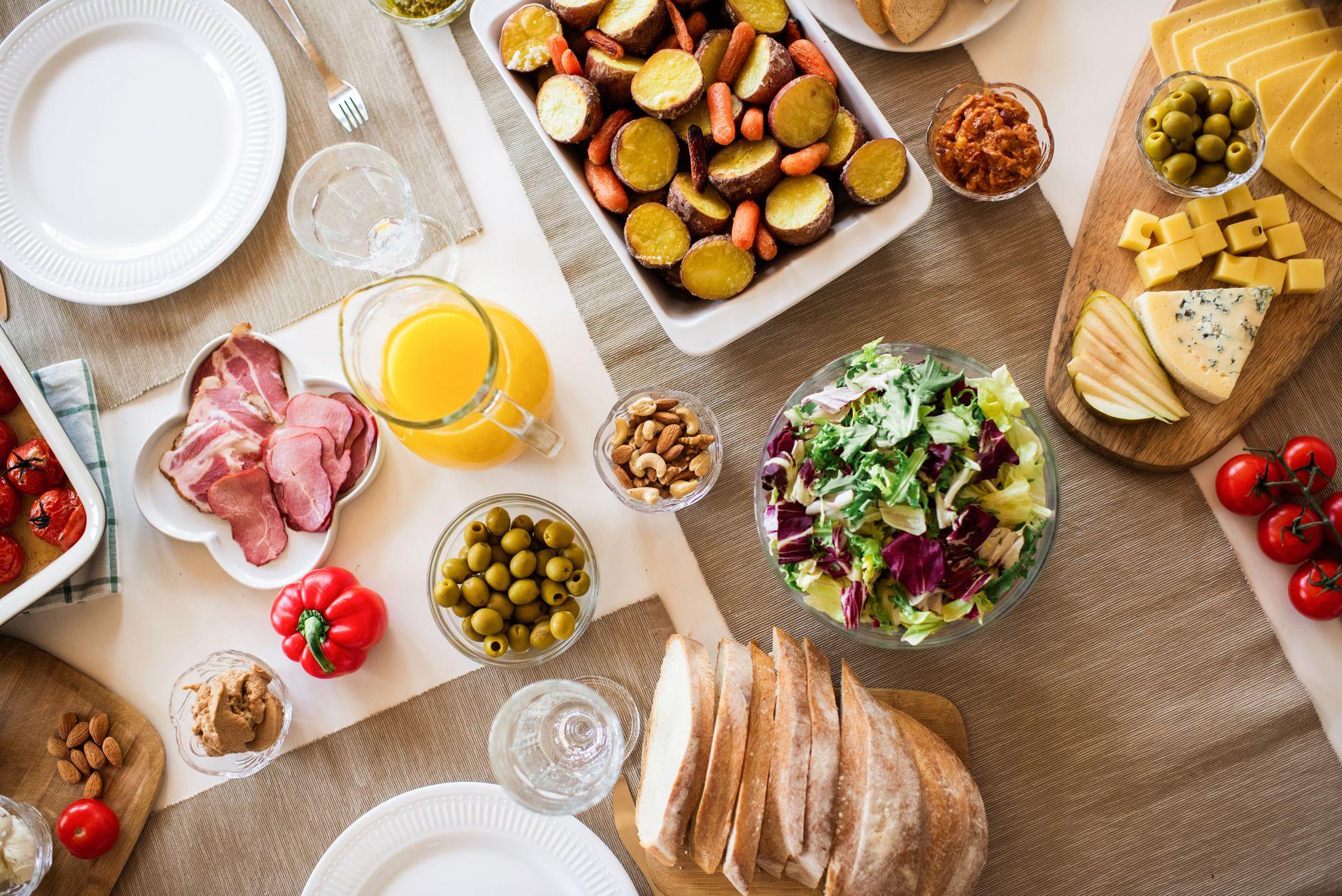
If any single way of eating keeps winning the quiet endorsement of dietitians, it’s the Mediterranean pattern — generous with vegetables, legumes, olive oil, nuts and fish, and relaxed rather than rigid. Nutrition writers at EatingWell have highlighted everyday staples of that approach that many of us simply don’t eat often enough. The appeal isn’t novelty; it’s that it reads less like a diet and more like a good dinner.
Heart, habit and the long game
The payoff for keeping it gentle is that gentle things get repeated. The American Heart Association has set out nine key steps for a lifetime of eating well that can support heart health — and the word doing the heavy lifting there is “lifetime.” A pattern you can sustain for decades will always outperform a perfect plan you abandon by February.
None of this is about diagnosing anything or chasing a number on a scale. It’s about the ordinary architecture of a day: what’s in the fridge, who you share the table with, whether you’ve given yourself permission to enjoy the eating. We’ve explored this gentler philosophy before in a kinder way to the table and in the small shifts that actually stick — and if you want the habit-building side, our piece on small habits that last walks through it step by step.
Start where you are
You don’t need a clean-slate Monday. You need one meal, cooked a little more kindly than yesterday’s, with something green on the side and no scorecard attached. Do that often enough and it stops being a goal. It just becomes the way you eat.
Photo by Alexy Almond on Pexels