There’s a quiet shift happening around how we talk about food. The old script — pick a diet, white-knuckle it, feel guilty when it slips — is giving way to something softer and, frankly, more livable. Across recent coverage, the message from dietitians and doctors is remarkably consistent: you don’t need a diet to eat well. You need a handful of habits that survive a busy Tuesday.
Why “no dieting” keeps winning
Part of the reason is that restriction tends to backfire. Reporting around National Nutrition Month framed eating better as a set of everyday strategies rather than rules — adding more of the good stuff instead of banishing the “bad.” There’s even a biological case for easing off the pressure. On NPR’s Fresh Air, an evolutionary scientist explored what our deep history reveals about eating, fat and weight, a reminder that bodies are not simple math problems to be bullied into shape.
When food becomes a project in constant failure, it stops being nourishment and starts being stress. The gentler approach swaps willpower for design: making the easy choice the good one.
Start with what you add, not what you cut
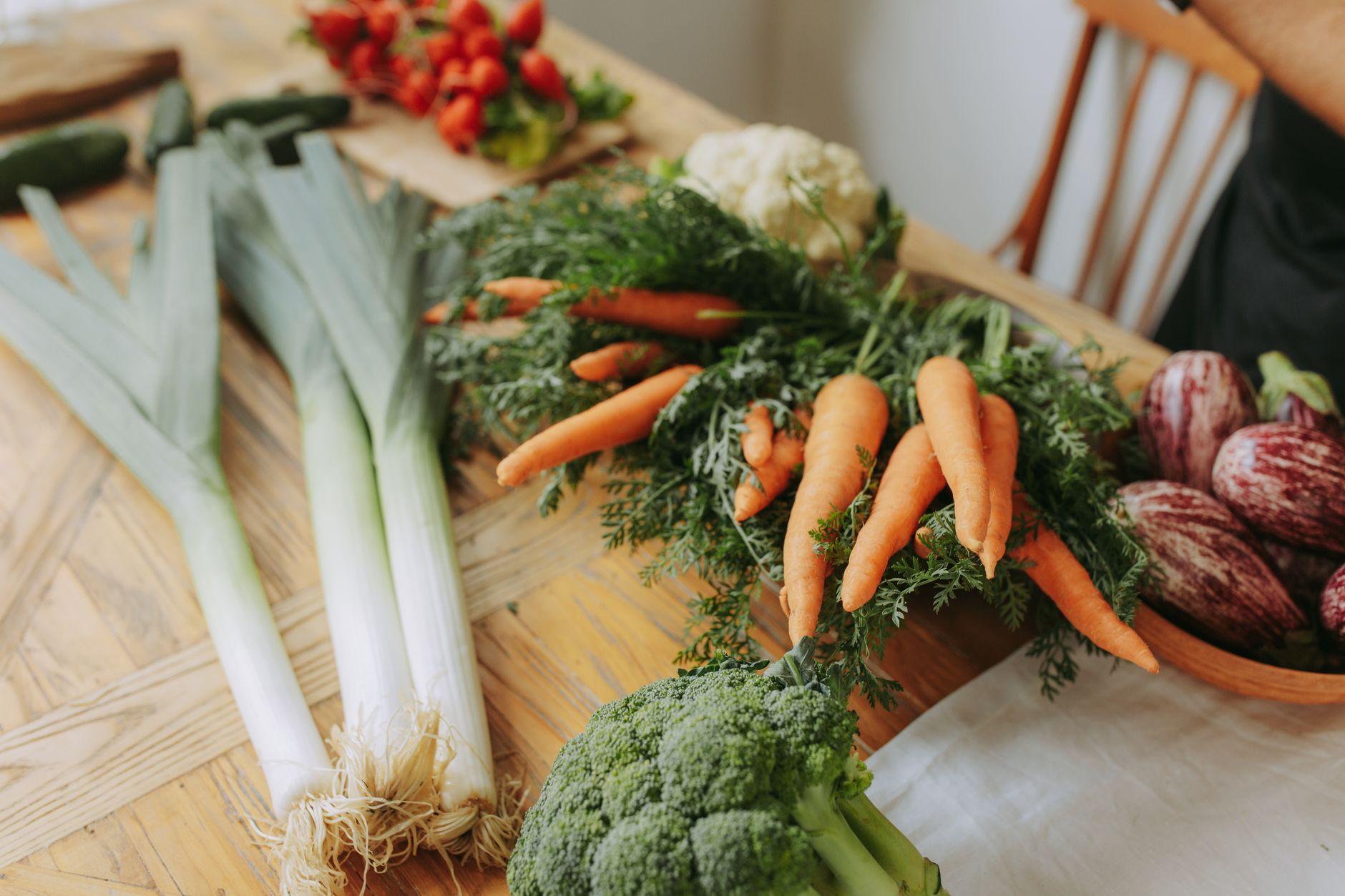
The most forgiving advice tends to focus on addition. Public health guidance from the CDC’s healthy eating tips leans into practical building blocks — more vegetables and fruit, more water, smarter swaps — rather than elaborate meal plans. The idea is crowding out, not cutting off. Fill the plate with more of what helps, and the rest naturally takes up less room.
Breakfast is a useful place to practice. Harvard Health has pointed to simple breakfast ideas built around protein and fiber to support steady energy through the morning — the kind of small, repeatable choice that doesn’t ask for a special shopping trip or a weigh-in.
The Mediterranean nudge
If any one pattern keeps surfacing, it’s the Mediterranean way of eating — less a diet than a lifestyle built on plants, olive oil, whole grains, beans and seafood. Dietitians writing for EatingWell suggested seasonal foods worth keeping on hand, highlighting everyday pantry staples to stock up on that make the healthy choice the convenient one. Stock the cupboard well and good meals assemble themselves.
What doctors actually ask for
Physicians, too, tend to meet patients where they live. The American Medical Association has described what doctors want people to know about eating well — guidance that reads less like a prescription and more like gentle, sustainable common sense. The theme across all of it is patience: progress, not perfection.
Small habits, big staying power
None of this is glamorous, and that’s rather the point. A few changes tend to carry most of the load:
- Keep the good stuff visible. Fruit on the counter beats fruit hidden in a drawer.
- Anchor one reliable meal. A breakfast you can make half-asleep removes a dozen daily decisions.
- Stock before you’re hungry. A well-chosen pantry is a decision made in advance.
- Drink more water. Unfussy, free, and easy to forget.
- Eat with people. Shared meals turn fuel into connection.
If you want somewhere to begin, we’ve written before about small habits that actually stick and the habits that outlast willpower — both built on the same idea that the kitchen, like the rest of the home, responds best to small shifts over time.
Eating well, it turns out, isn’t a test you pass or fail. It’s a direction you keep gently walking in — plate by plate, day by ordinary day.
Photo by Yaroslav Shuraev on Pexels