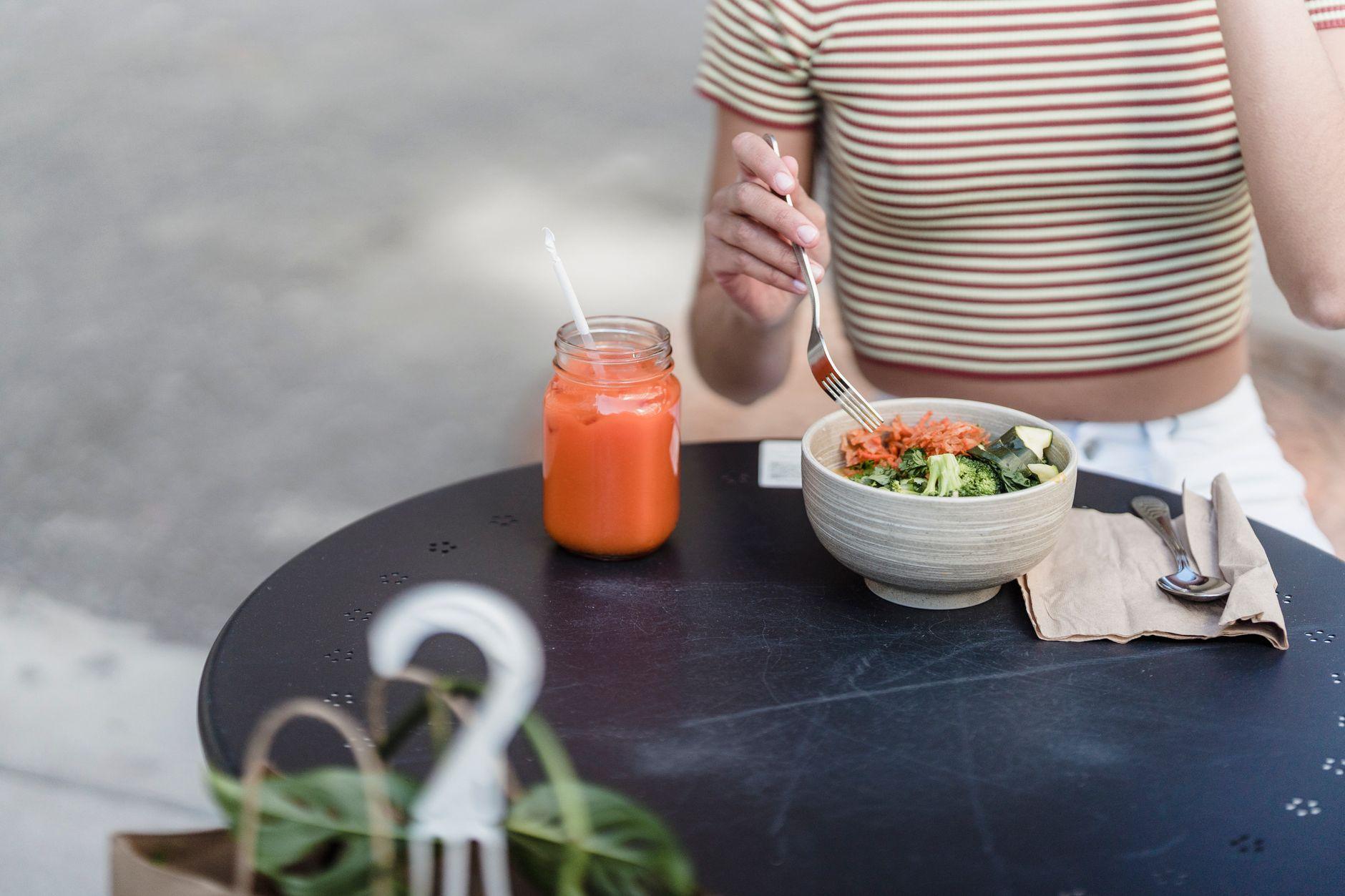
There’s a particular kind of tiredness that comes with dieting — the counting, the cutting, the quiet guilt when the plan slips. If you’ve felt it, you’re in good company. And lately, a fair bit of the conversation around food has been turning away from the diet and toward something softer: small habits, a kinder plate, and a bit of pleasure allowed back at the table.
National Nutrition Month gave several outlets a reason to make the case plainly. The Los Angeles Daily News recently laid out five strategies for eating better without dieting, and the framing matters: not a plan to follow for six weeks, but changes you can actually live with.
Why the diet so often loses
Part of the problem is baked into the word itself. A diet is, by definition, temporary — something you start and, eventually, stop. The New York Times has reported on the idea that restriction tends to leave people feeling worse, suggesting that retraining how you think about food may serve better than another round of rules.
There’s a broader mood shift, too. According to Gallup, fewer people around the world say they’re enjoying their food or eating healthily — a reminder that the relationship with eating, not just the nutrients on the plate, deserves attention. When food becomes a source of stress, the stress rarely helps.
What “well” actually looks like
Strip away the trends and the advice from health bodies is reassuringly unglamorous. The CDC’s healthy eating guidance leans on familiar building blocks — more vegetables and fruit, more whole grains, a sensible eye on added sugars and salt — without demanding you overhaul your life overnight.
Doctors tend to echo the same tune. The American Medical Association has shared what physicians want patients to understand about healthy eating, and the emphasis sits on sustainable patterns rather than perfection. The idea is less about any single “bad” food and more about the overall shape of how you eat across a week.
Small, doable, repeatable
The appeal of the no-diet approach is that it fits into a real day. A few ideas that keep surfacing across the coverage:
- Build, don’t follow. EatingWell makes the case for a 10-minute Mediterranean-style lunch with no recipe required — a template you assemble rather than a set of instructions to obey.
- Lean on patterns. Think more plants, more whole grains, a little good fat — the kind of plate that doesn’t need measuring.
- Mind the feeling, not just the food. Firstpost has suggested that after festive overindulgence, the answer to feeling bloated isn’t a crash diet but gentler, everyday adjustments.
- Make it stick. The British Heart Foundation offers guidance on keeping to a healthy way of eating over the long haul, which is really the whole point.
The gentler way to the table
None of this is about doing nothing — it’s about doing less, more consistently. That’s a theme we keep returning to, from the small habits that actually stick to the habits that outlast willpower. If you’d rather start with the spirit of the thing than a checklist, our take on a gentler way to the table is a good place to begin.
The research and the guidance remain works in progress, and what works for one person’s week won’t map neatly onto another’s. But the throughline across this cluster of coverage is worth holding onto: you don’t have to diet to eat well. You mostly have to show up at the table, again and again, with a bit of kindness and a plate you actually like.