Somewhere between the alarm that wakes us and the last scroll before sleep, the phone quietly takes over the day. Plenty of us have noticed, and plenty of us are doing something about it. According to survey work reported by Ipsos, nearly all younger people say they are trying to limit their time on screens — which tells you this isn’t a fringe worry. It’s become an everyday project.
Why analog is having a moment
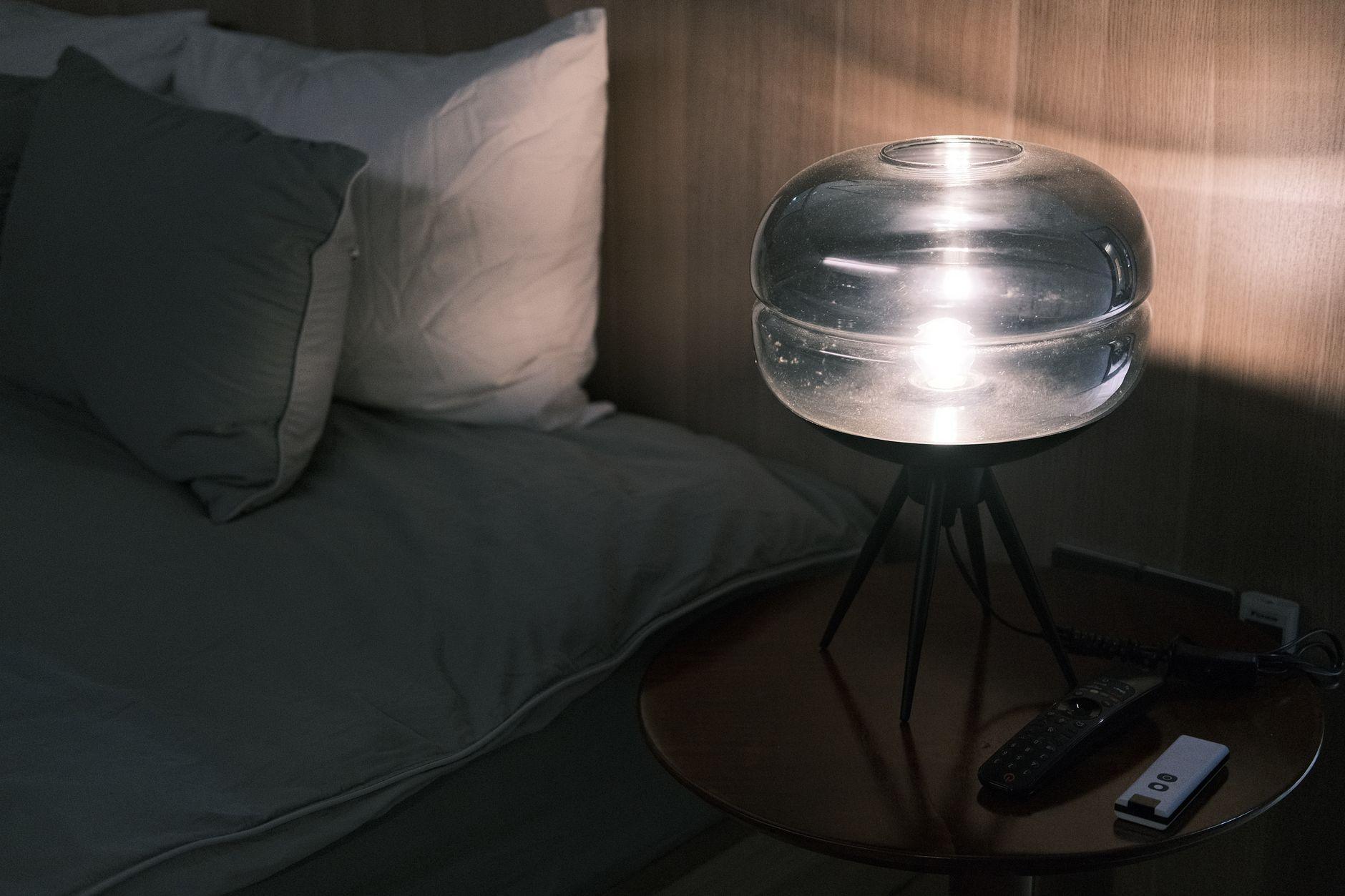
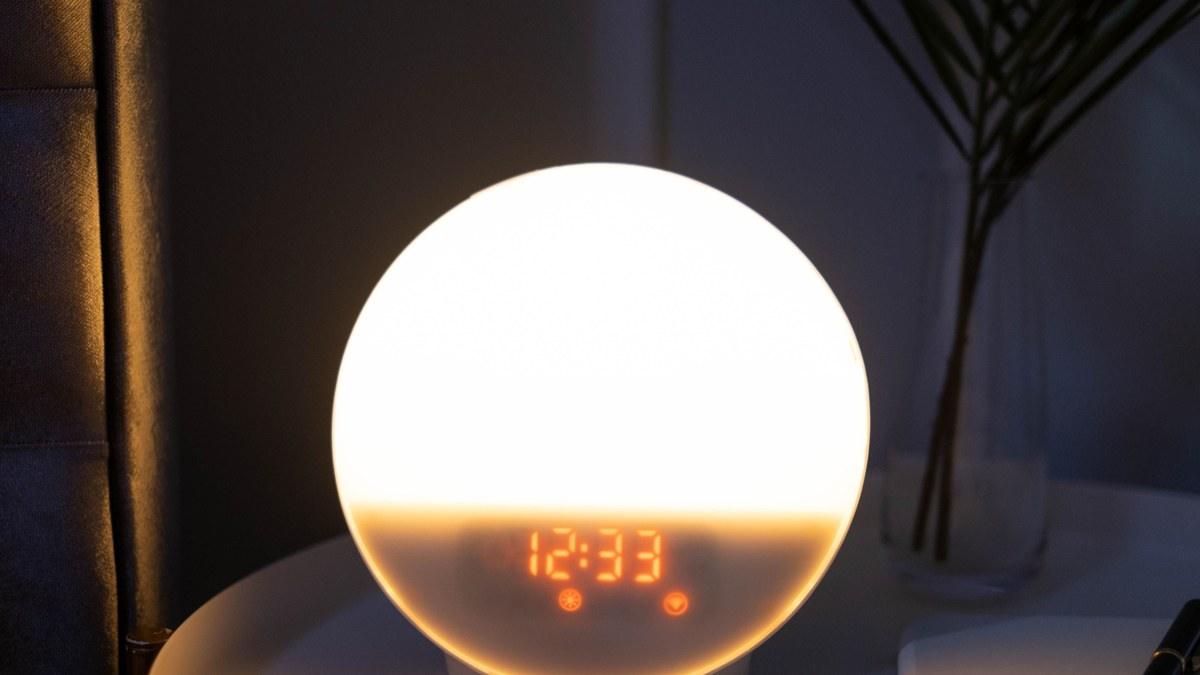
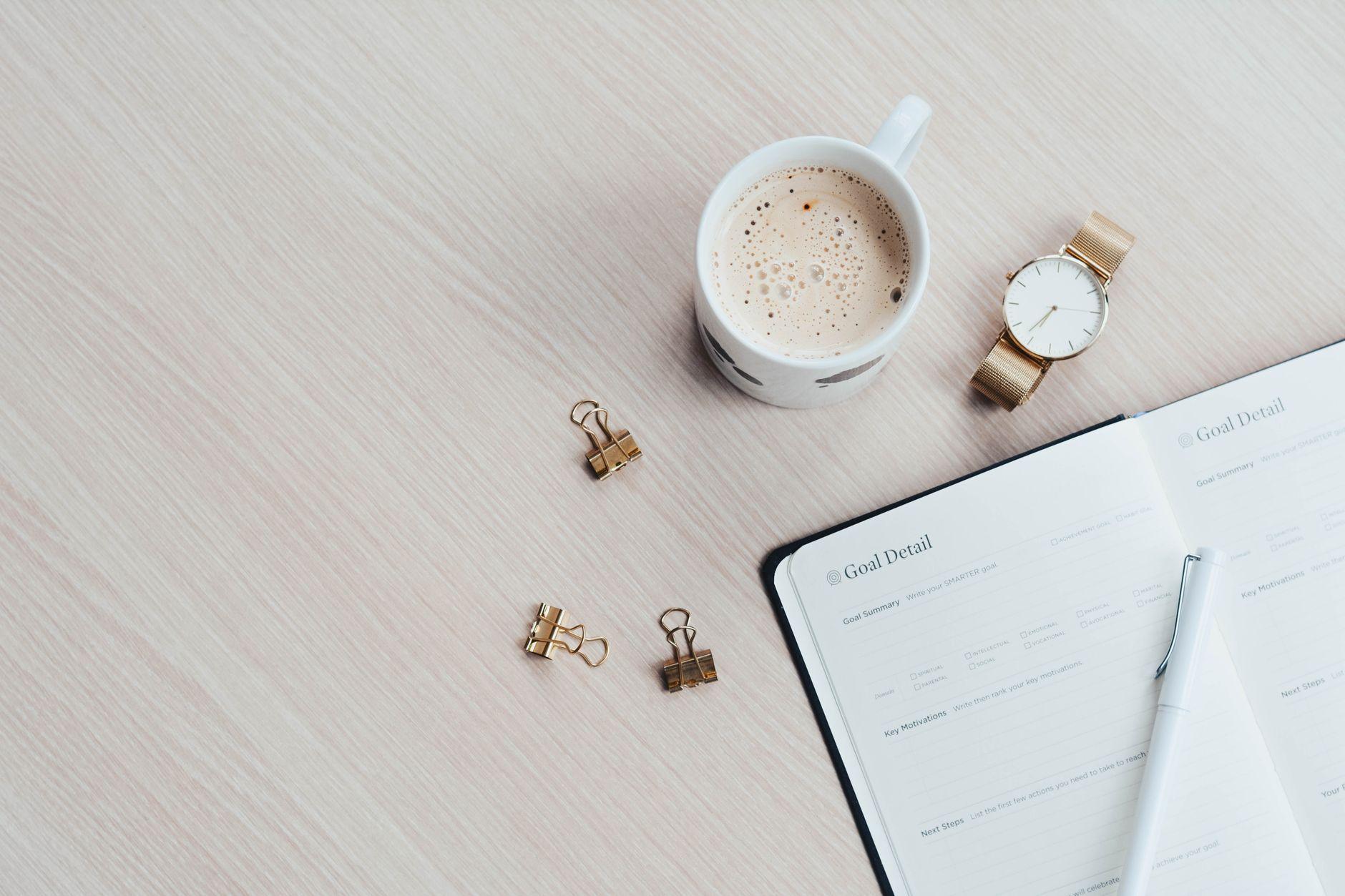
The most interesting shift isn’t more willpower. It’s more objects. As The New York Times described, one writer reclaimed hours by leaning on simple analog tools — the kinds of things that do one job and then get out of the way. A paper notebook can’t notify you. A wristwatch tells the time without offering seventeen other temptations. A kitchen timer doesn’t open a feed.
That’s the quiet logic behind the trend. When a single device handles everything, every glance becomes a doorway to everything else. Breaking tasks back out into dedicated, boring objects removes the doorway.
The one setting people keep recommending
If buying an alarm clock feels like a step too far, there’s a softer entry point. Therapists quoted by NBC Connecticut have pointed to a single phone setting as a surprisingly effective nudge. The idea is less about locking yourself out and more about making the phone a little less magnetic — draining some of the shine that keeps you reaching for it.
We’ve written about this gentle approach before, from the one phone setting that quietly shrinks your screen time to the grayscale trick and other low-key ways to cut back. The thread running through all of them is the same: change the environment, not your character.
Tech that helps you use less tech
There’s a pleasant irony worth naming. As The Guardian has explored, some gadgets and apps are built specifically to steer you toward a more analog life — timers, lockboxes, apps that gray things out or gate your most-used apps behind a pause. Used well, they’re training wheels rather than another thing to monitor.
A few easy experiments
- Give one task its own object. An alarm clock, a notepad, a watch. Let the phone stop being the answer to everything.
- Add a speed bump. Move the tempting apps off your home screen, or dim the color so they stop shouting.
- Trade in a slot. Swap the first and last ten minutes of the day for something physical — a book, a stretch, a cup of coffee by the window.
- Make it shared. A phone basket at dinner turns a solo struggle into a small household ritual.
None of this requires a dramatic digital detox or a vow you’ll quietly break by Thursday. For a kinder framing of the whole thing, our guide on reducing screen time without making it a battle is a good place to start. The reports converge on an encouraging point: the people getting their attention back aren’t the ones with iron discipline. They’re the ones who made the easy choice a little easier and the tempting one a little more trouble. That’s a trick anyone can borrow.
Photo by Content Pixie on Pexels