There’s a particular kind of evening we all recognise: you sit down to rest, pick up the phone “just for a minute,” and surface an hour later with nothing to show for it but a vague fuzziness behind the eyes. If that’s familiar, you’re far from alone — and the good news is that the fixes being talked about right now are gentler and more human than you might expect.
Across recent coverage, a quiet theme keeps surfacing: people aren’t just trying to use their phones less, they’re reaching for real, touchable alternatives to fill the gap. It’s less about willpower and more about rearranging your surroundings so the better choice becomes the easy one.
Why analog is having a moment
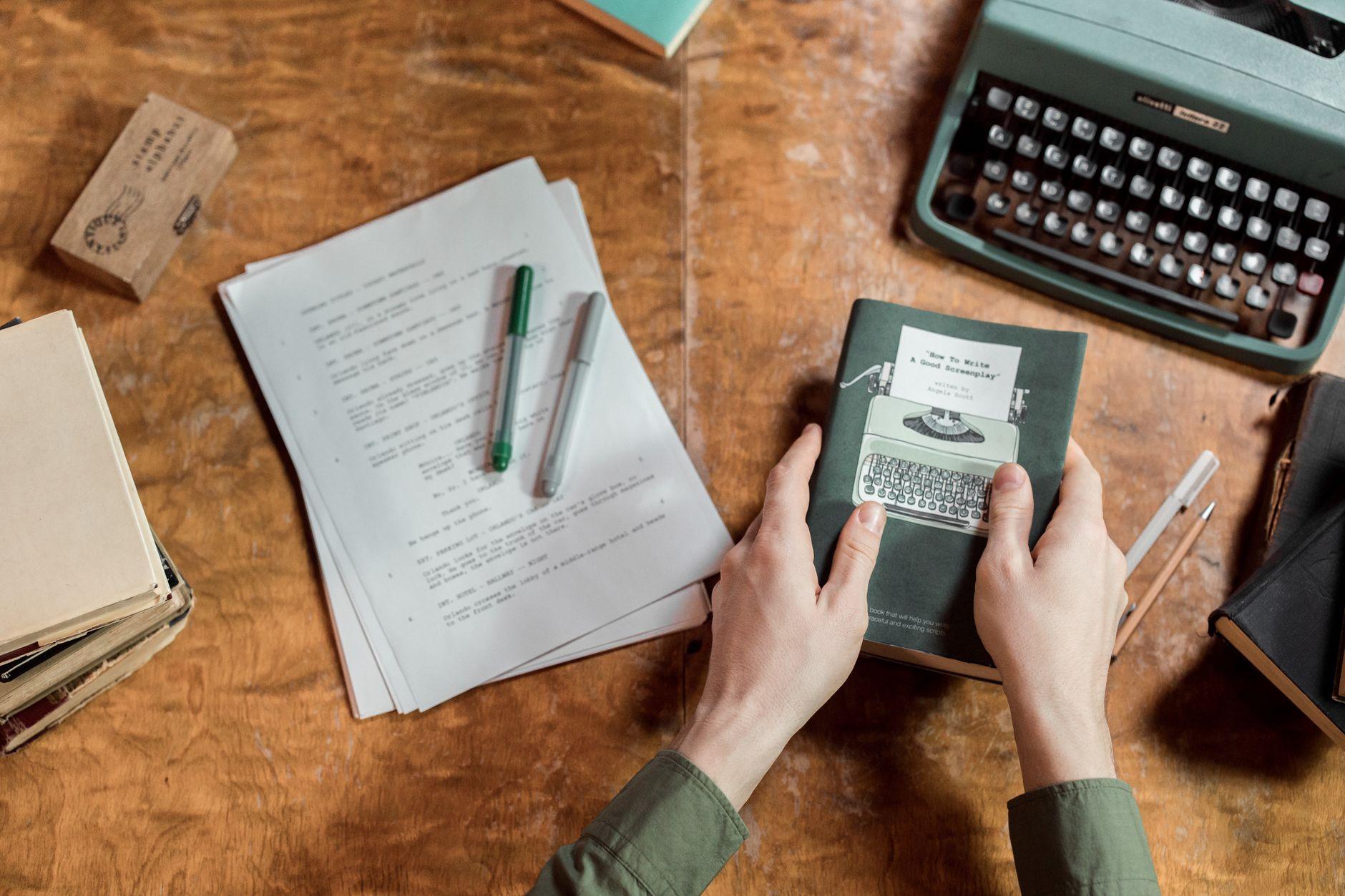
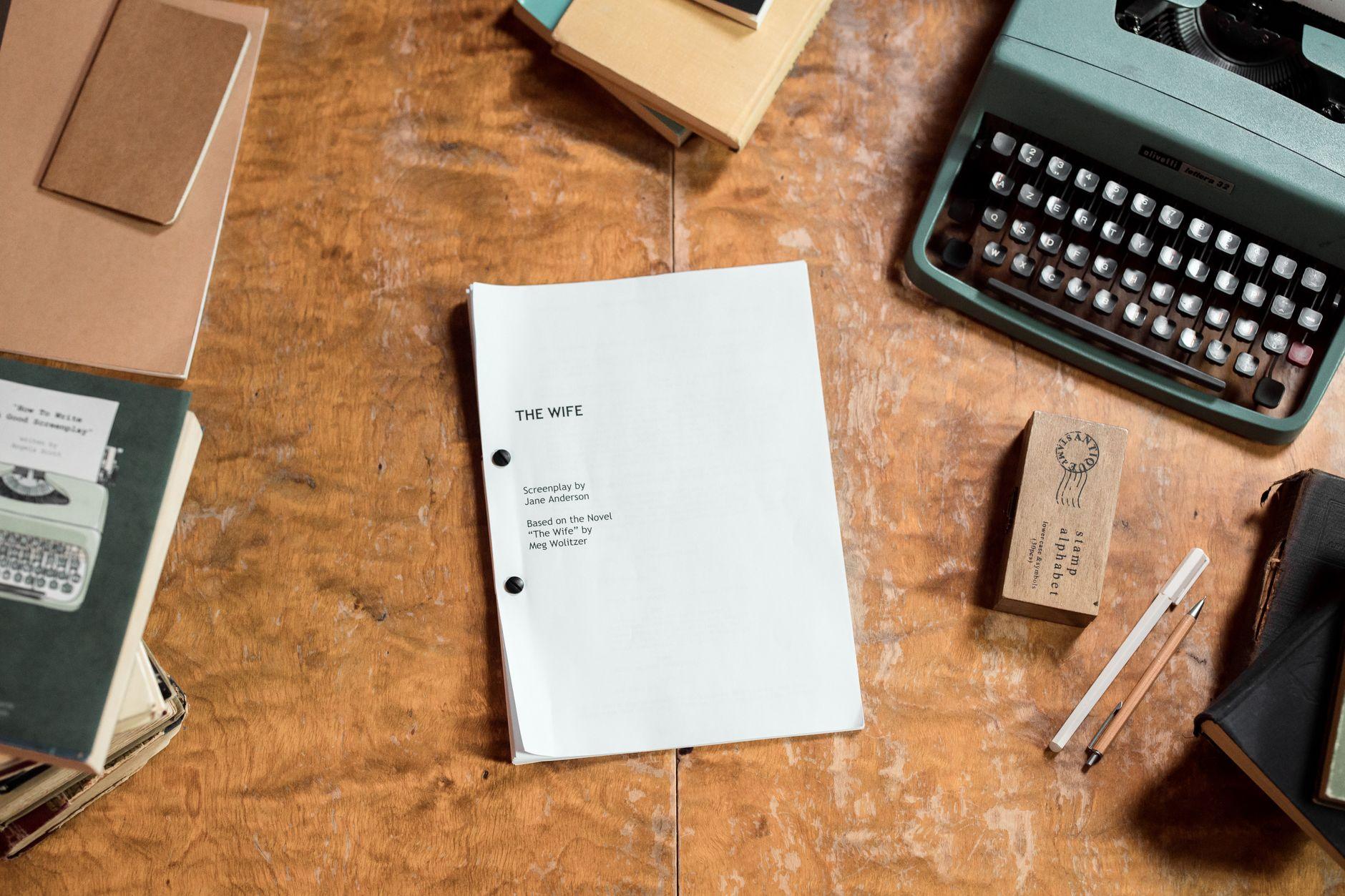
According to reporting in The Times, some in Gen Z are dusting off typewriters — not out of nostalgia, but to carve out focused, offline time and give creativity room to breathe. The appeal is obvious once you notice it: a typewriter can’t ping you, can’t open a second tab, can’t serve up one more video. It does exactly one thing, and asks for your full attention while it does it.
That same instinct runs through a Wirecutter piece in The New York Times, in which the writer describes an iPhone that had started “running” their life — and the modest analog tools that helped claw some of it back. The pattern is consistent: when a dumb object takes over a job your phone used to do, the phone loses a little of its gravitational pull.
The small swaps worth trying
None of this requires a dramatic digital detox. The most durable changes tend to be unglamorous and specific:
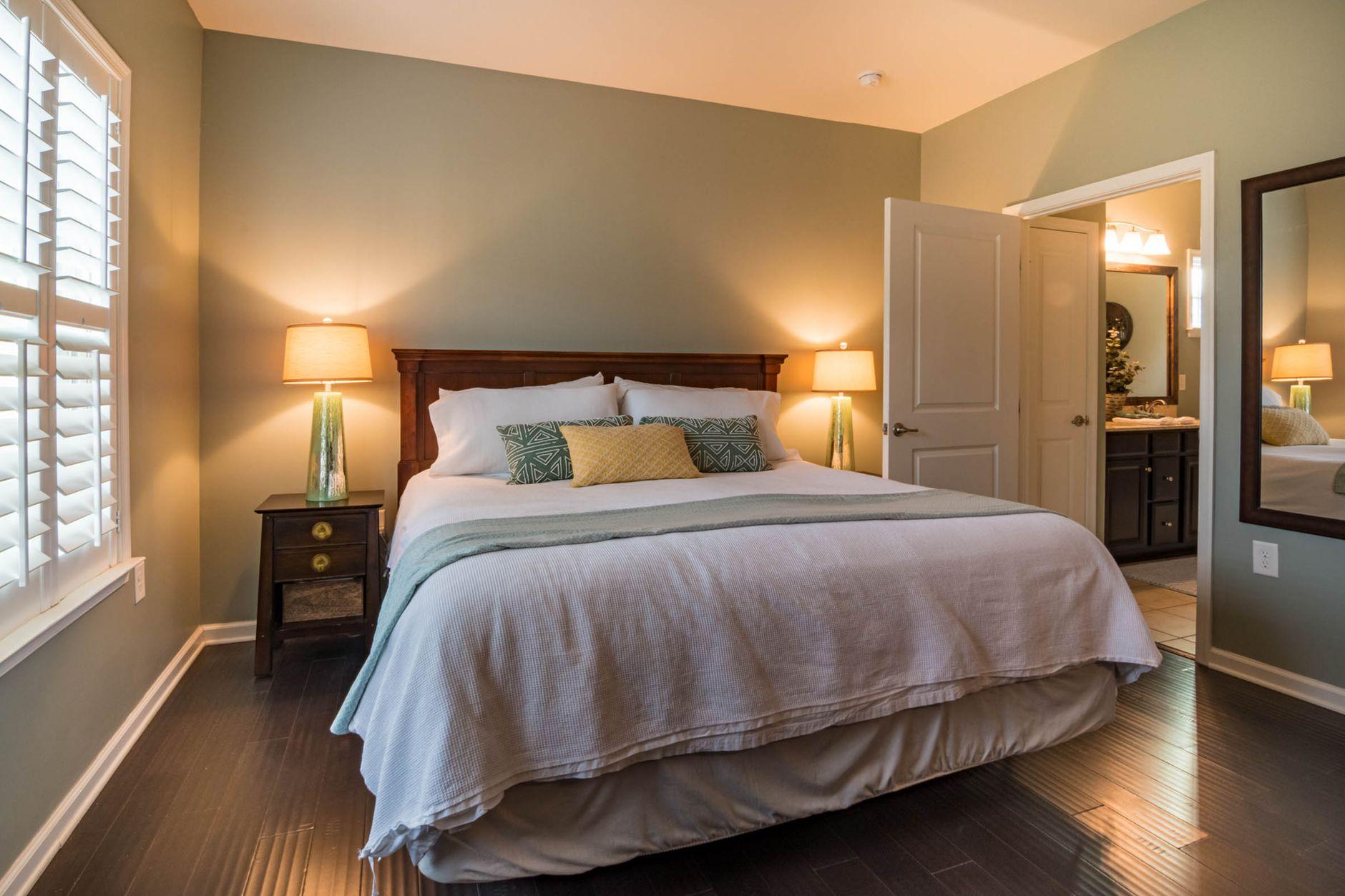
- A paper alarm clock so the phone doesn’t need to live on your nightstand — which quietly ends the late-night and first-thing-in-the-morning scroll.
- A pocket notebook for the thoughts and lists you’d normally open an app to capture.
- A wristwatch, so “what time is it?” stops becoming a detour through your notifications.
- A physical book or magazine left where you usually sit, ready to catch your idle hands first.
Practical, realistic tweaks like these echo the advice rounded up by The Guardian, which frames reducing screen time not as a test of discipline but as a series of small, forgiving adjustments. The through-line in all of it is friction: make the scroll slightly harder to reach, and make something kinder easier.
It’s about environment, not shame
One of the more interesting framings comes from Noema Magazine, which argues the conversation should be about screen space as much as screen time — where devices are allowed to exist in our homes and days, not just how many minutes they log. That shift matters, because it moves the focus off your self-control and onto your surroundings, which are far easier to redesign.
This is terrain we’ve explored before, from the quiet return of analog habits to the grayscale trick and other gentle nudges. And if the whole thing feels like it’s becoming a daily struggle, it’s worth remembering you can reduce screen time without turning it into a battle.
Start with one object
You don’t need a typewriter and a fountain pen and a box of paperbacks by Friday. Pick one job your phone currently does — waking you up, telling the time, holding your to-do list — and hand it to something that can’t talk back. The hours you reclaim won’t announce themselves all at once. They’ll show up as a quieter evening, a finished chapter, a conversation that didn’t get interrupted. That’s the part no app can give you.