There’s a particular kind of tired that comes from a day spent scrolling — the eyes a little gritty, the mind oddly restless, the vague sense that hours slipped through your fingers. If that feels familiar, you’re in good company. According to a recent survey reported by Advanced Television, around 35% of people say they struggle to keep their screen time in check.
The interesting part isn’t the struggle. It’s what some people are reaching for instead. Not another app promising to fix the problem the apps created — but older, slower, physical things. Typewriters. Notebooks. Kitchen timers. Objects you can hold.
A surprising swing toward the tactile
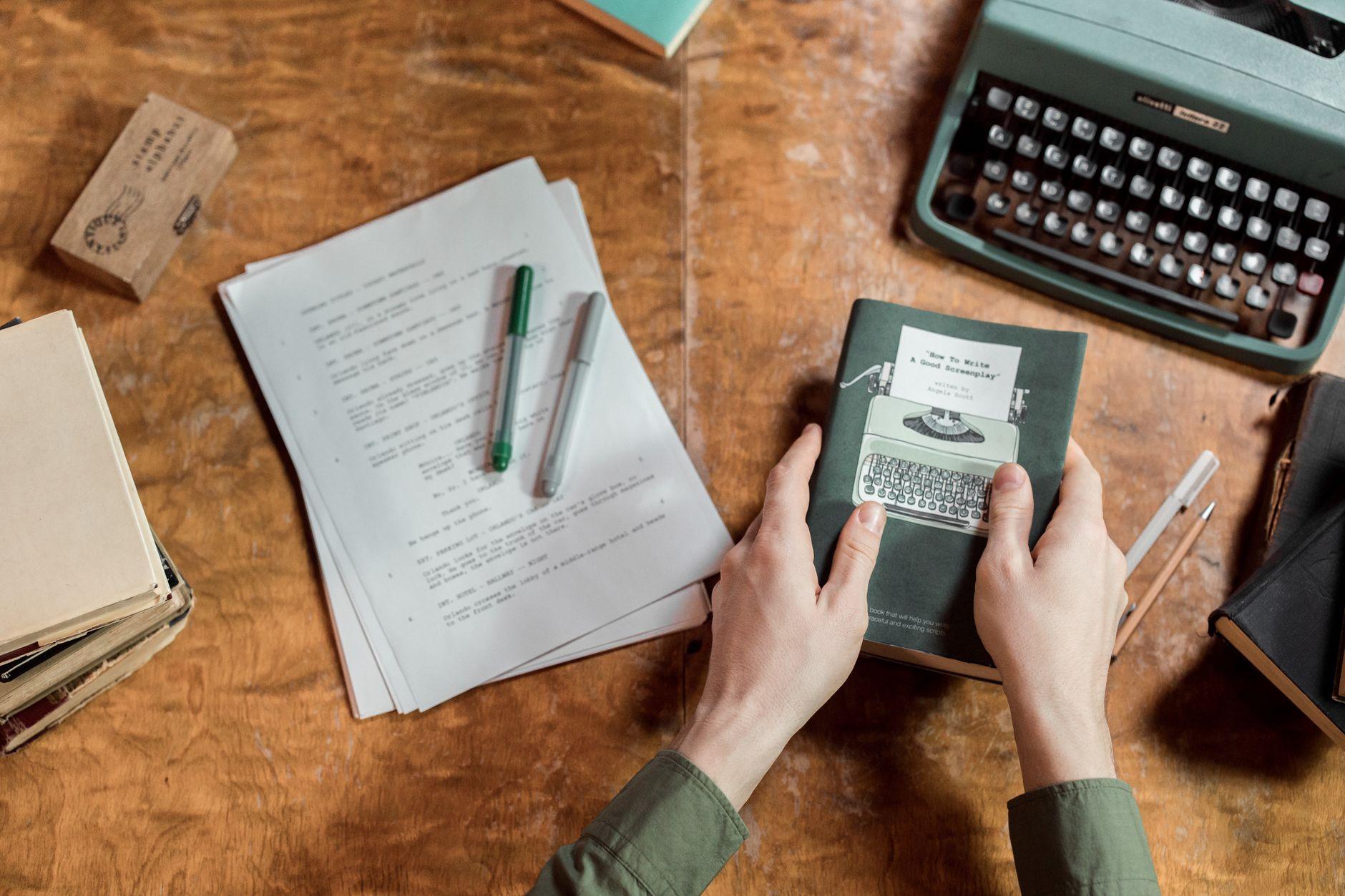
As The Times has reported, some younger people are turning to typewriters to cut their screen time and give their creativity room to breathe. There’s something telling about that choice. A typewriter can’t notify you. It won’t suggest a video. It does exactly one thing, and it does it with a satisfying clack.
The idea runs deeper than nostalgia. Writing in The New York Times, one writer described how a handful of analog tools helped wrestle back control from a phone that had, in their words, been running their life. The lesson wasn’t to throw the phone in a drawer forever. It was to put friction back between you and the glowing rectangle — to make the easy thing slightly harder, and the better thing slightly easier.
Why swapping an object beats sheer willpower
Here’s the warm truth underneath all of it: most of us don’t lose hours because we’re weak. We lose them because our environment is designed to be frictionless. The phone is always within arm’s reach, always awake, always ready with something new. Fighting that with willpower alone is exhausting.
Swapping in a physical object changes the setup rather than relying on self-control. A notebook by the bed means you reach for paper, not a screen, when a thought surfaces at midnight. A wall clock means you don’t check your phone for the time and resurface twenty minutes later. These are small environmental shifts, and they tend to stick precisely because they ask so little of you.
Small analog swaps worth trying
- A paper notebook for lists, thoughts, and the day’s plan — so the first reach of the morning isn’t your phone.
- A physical alarm clock, keeping the phone out of the bedroom entirely.
- A kitchen timer to mark focused work or rest, instead of a timer buried behind three apps.
- A typewriter or pen and paper for writing you actually want to think through, with nothing nudging you elsewhere.
- A printed book or magazine left where you’d normally doomscroll.
None of this requires going fully off-grid. The point isn’t purity; it’s balance. If you’d rather start with the device you already own, we’ve written about the one phone setting that quietly shrinks your screen time and the grayscale trick and other gentle ways to cut back. Both pair nicely with an analog swap or two.
The quieter payoff
What people seem to be chasing with these old tools isn’t just fewer minutes on a counter. It’s attention that feels like their own again — a slower rhythm, a bit more presence, the small pleasure of doing one thing at a time. And if that’s the goal, the gentlest route is rarely a crackdown on yourself. It’s redesigning the spaces around you so the better choice is the easy one. For families navigating this together, it helps to approach it as a shift rather than a showdown — more on that in our guide to reducing screen time without making it a battle.
A typewriter won’t save anyone’s life. But the instinct behind it — to put something solid between you and the endless feed — might just hand back an hour or two worth having.