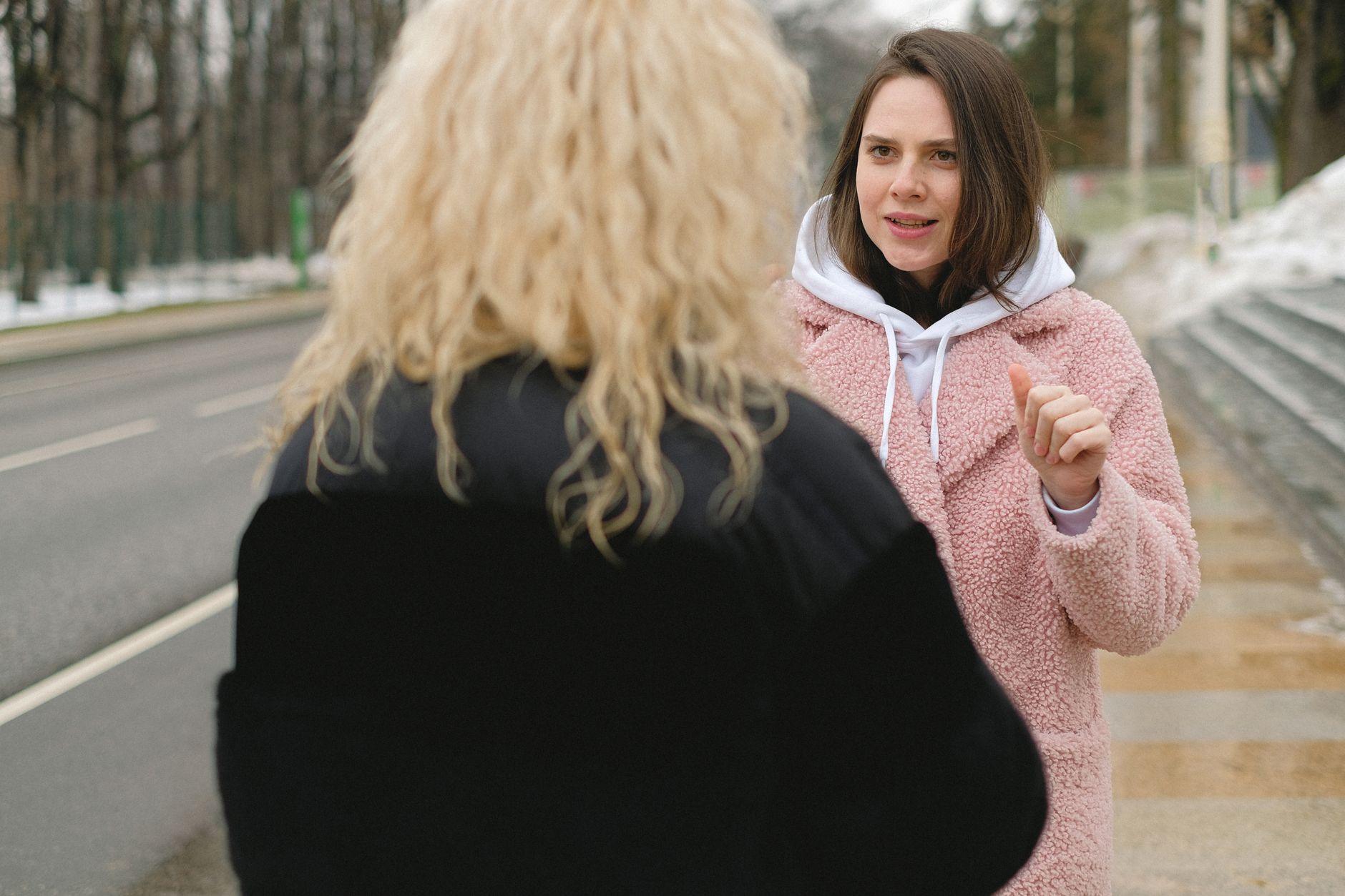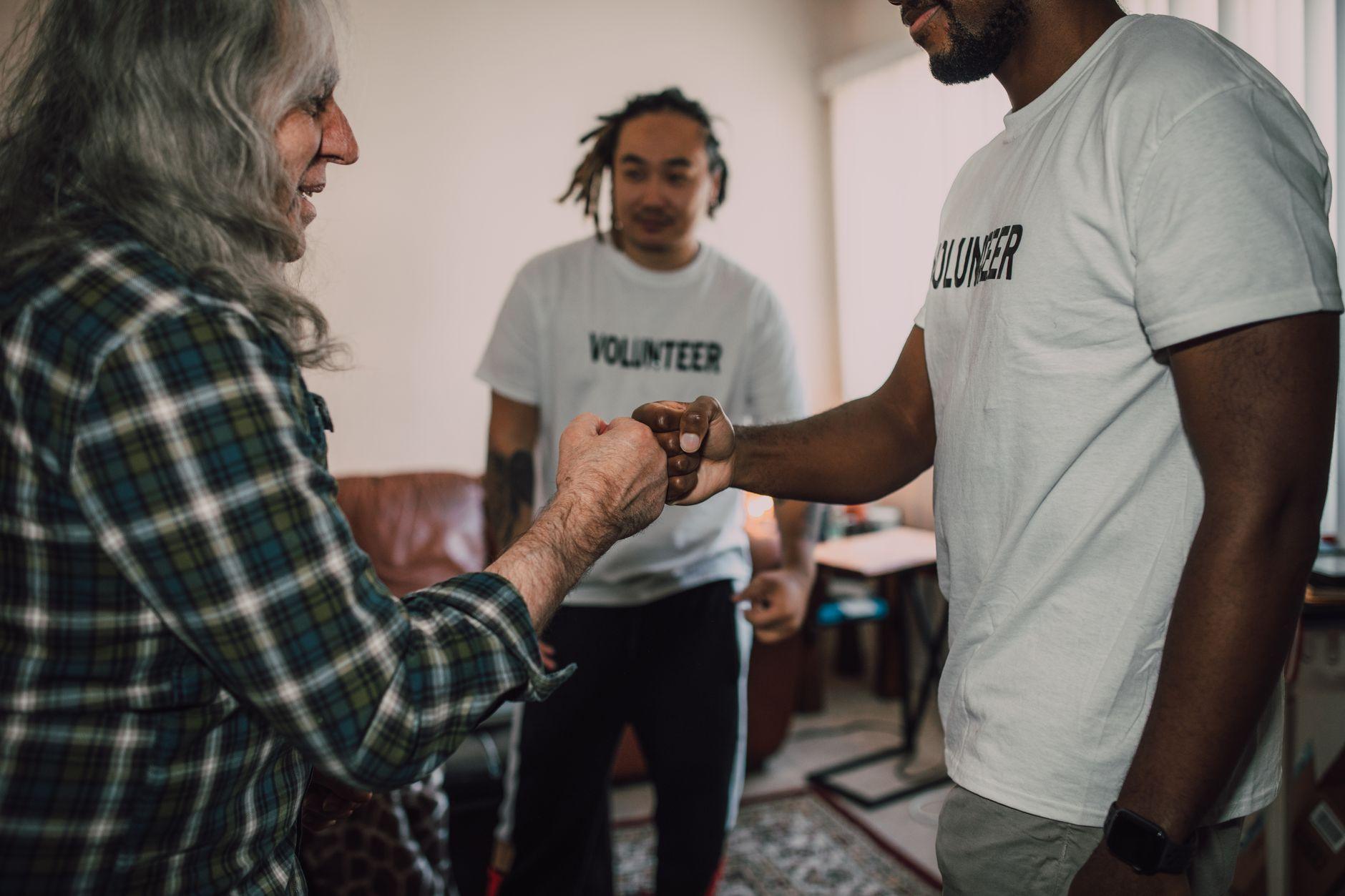
There’s a phrase making the rounds from a women’s group in Santa Rosa, and it’s deceptively simple: “We’re just glad you’re here.” Four words, no pressure, no audition. According to reporting from The Press Democrat, that spirit is the whole point of the group — a reminder that showing up is enough.
It lands because so many of us have felt the opposite: walking into a room and quietly wondering whether we’ve earned a place in it.
Belonging isn’t a feeling that arrives on its own
Here’s the thing a lot of community organizers have figured out the hard way. People don’t feel they belong just because a door is technically open. Belonging has to be offered, out loud, often more than once.
The research backs this up. Writing for Greater Good, the Berkeley-based publication on the science of a meaningful life, researchers have laid out practical ways to help newcomers feel included — the kind of small, intentional gestures that signal “you’re one of us now” before someone has done anything to prove it.
And the stakes are bigger than one awkward first visit. The Belonging Barometer, as outlets have reported, treats belonging as something measurable — a marker of how connected people feel across the places they live and work.
The quiet mechanics of welcome
What’s striking about the Santa Rosa group, and others like it, is how ordinary the methods are. There’s no secret formula — just repeated, low-stakes invitations to keep coming back. A few patterns show up again and again in groups that make people feel at home:
- Say the welcome out loud. “Glad you’re here” does more work than a smile, because it removes the guesswork.
- Keep the bar low. Attendance is the only requirement. No one has to perform, contribute, or have it all together.
- Make returning easy. Belonging tends to build on the second, third and fourth visit — not the first.
- Notice the newcomer. A single person remembering your name is often what tips “visitor” into “member.”
None of this requires a budget or a mission statement. It mostly requires someone deciding to pay attention.
It shows up everywhere once you look
The same dynamic turns up far from any women’s circle. Researchers have studied how shared activity — even something as everyday as sport — becomes a bridge to connection. A paper published in Frontiers frames social interaction as the thing that carries people from simply playing a game to actually feeling part of a community, while work in Nature has explored how something like football fandom can forge a shared sense of identity among strangers.
The common thread is that belonging rides on interaction, not just proximity. You can sit in a crowd and feel invisible. You can also be welcomed by one person and suddenly feel held by the whole room.
Worth trying in your own corner
You don’t have to start a group to put this to work. If you already run a book club, a walking crew, a Sunday supper, the takeaway is small and doable: greet the nervous newcomer like you’re genuinely pleased they came. Here in Charlotte, that same ethos is quietly at work in places like a bilingual book club building a sense of home and a retirees’ friendship group reinventing belonging — proof that the model travels.
For a closer look at the group that inspired the phrase, our feature on the women’s group where “we’re just glad you’re here” digs into how they keep the welcome going week after week.
Belonging, it turns out, isn’t something you find. It’s something people hand to each other — one plain, generous sentence at a time.
Photo by RDNE Stock project on Pexels